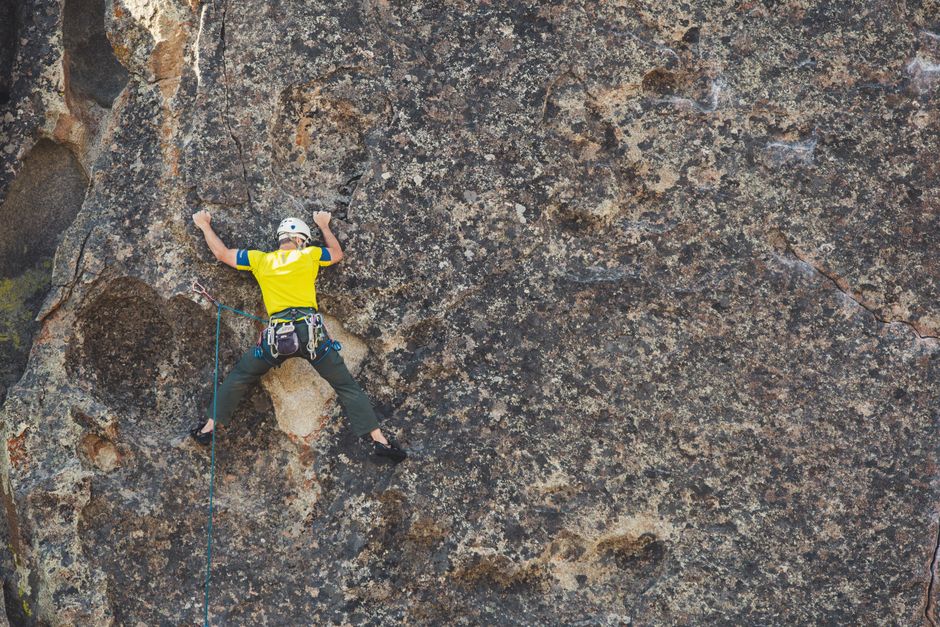
Five years ago, a cluster of climbing enthusiasts began meeting informally at the sandstone cliffs near Hanging Rock in the Tallaganda State Forest, rope-checking one another and sharing beta on weekend ascents. Today, that scrappy group has catalysed a broader grassroots movement that has transformed outdoor climbing from a niche pursuit into one of Canberra's fastest-growing community sports.
The shift accelerated in 2023 when the ACT Climbing Community Alliance—a volunteer-led collective—secured access agreements with the National Parks and Wildlife Service for five established crags across the region, including hot spots near Tidbinbilla and the iconic Burrinjuck Reservoir formations. Membership in affiliated clubs has since grown from roughly 80 active climbers to over 450, with participation numbers climbing roughly 35 per cent annually.
"What's remarkable," says Jamie McDougall, vice-chair of the Alliance, "is that this growth came without corporate sponsorship or formal funding. It's entirely community-driven." The organisation operates on membership fees—$60 annually for adults—and reinvests revenue into bolting maintenance, training workshops, and environmental stewardship programs.
The movement's backbone is its volunteer network. Each weekend, climbers across Woden Valley, Belconnen, and Tuggeranong organise group sessions, with experienced members mentoring newcomers on everything from anchor management to risk assessment. Last month alone, the Alliance coordinated 12 separate outdoor sessions, drawing participants ranging from teenagers to retirees.
Local climbing gyms—including the recently expanded Climb Canberra facility near the Southpoint shopping precinct—have catalysed indoor training, providing year-round conditioning for outdoor pursuits. The gym reports that roughly 70 per cent of its members now venture outdoors monthly, a marked increase from 2024 figures.
The grassroots ethos extends beyond climbing itself. Community groups have implemented environmental protocols to minimise impact on sensitive ecosystems, partnering with Indigenous land stewards to ensure culturally respectful access. A dedicated education program has trained over 80 volunteers as first-aid and rope-rescue specialists.
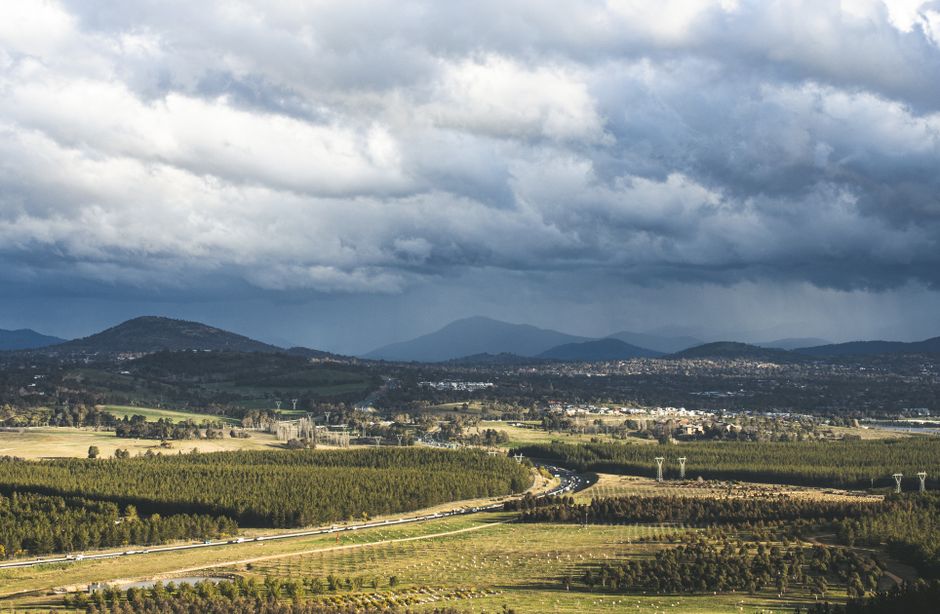
As Canberra's population edges toward half a million, outdoor adventure sports offer residents a tangible connection to the landscape that defines the nation's capital. The climbing movement exemplifies how communities, without top-down infrastructure, can organise around shared passion and mutual learning.
For many, it's fundamentally about accessibility: proving that adventure doesn't require expensive gear shops or exclusive memberships—just commitment from locals willing to climb together.
This article was compiled by AI from the sources linked above and screened before publishing. See our editorial standards.