Canberra's sporting landscape has undergone a quiet revolution. While headlines focus on national competitions, the real story unfolding across the capital is one of strategic infrastructure investment transforming how locals train, compete and develop their craft.
The Australian Institute of Sport's presence in Bruce remains the jewel, but it's the distributed network of upgraded facilities that's changing participation rates across suburbs. The Canberra Sports Park precinct in Lyneham has become particularly significant, with recent expansions to the hockey and netball courts completed in early 2025. Officials report a 34% increase in winter sport registrations since upgrades finished, suggesting quality infrastructure directly correlates with community engagement.
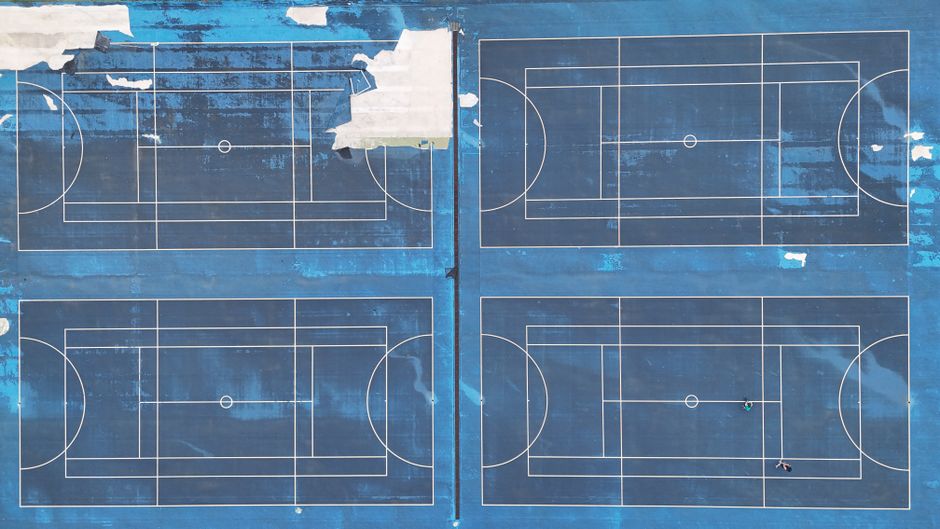
Beyond the high-profile venues, incremental improvements are having outsized impact. Belconnen's netball facility renovation—completed with ACT government funding last year—now hosts five competitive leagues, up from three in 2023. Monthly membership costs remain accessible at $85–120, keeping participation open to working families across Northside suburbs.
The Manuka Oval precinct continues punching above its weight as cricket's spiritual home in the region. Recent ground improvements have attracted increased weekend grade cricket, with the Canberra District Cricket Association reporting 47 active clubs—a remarkable figure for a city of 460,000. Summer fixtures now span September through March, utilising the improved drainage systems installed in 2024.
Less glamorous but equally vital are multipurpose venues like the indoor sports halls at Woden and Tuggeranong. Basketball, badminton, and volleyball leagues operate year-round, with shoulder-season bookings up 28% compared to 2024. At approximately $35 per court hour, these facilities remain among Australia's most affordable for competitive use.
Swimming infrastructure has expanded too. The Canberra Aquatic and Leisure Centre in Acton, alongside regional pools in Tuggeranong, Woden and Belconnen, supports one of Australia's strongest age-group swimming pipelines. The ACT Swimming Club alone has grown to 890 registered swimmers, with state representatives regularly competing nationally.
Not all infrastructure wins are obvious. Rugby league's growth in Canberra depends heavily on upgraded changing facilities and training grounds at venues like Dickson Oval. The Raiders' grassroots development program now operates across 23 affiliated clubs, anchored by accessible, quality training infrastructure.
As Canberra matures as a sporting city, the unglamorous work of maintaining and upgrading venues becomes the true competitive advantage. When athletes can train on professional-standard courts, in well-maintained facilities accessible by public transport, participation flourishes—and that's where local sport is really being won.
This article was compiled by AI from the sources linked above and screened before publishing. See our editorial standards.