Canberra's commitment to grassroots sport has never been more evident than in the past five years of infrastructure development. Whether you're a parent looking to enrol your child in swimming lessons or an adult keen to dust off your netball shoes, the capital now boasts a constellation of facilities that make participation easier—and more affordable—than ever before.
The Australian Institute of Sport precinct in Bruce remains the flagship, but it's the suburban and community venues that are truly democratising sport. The newly refurbished Canberra Olympic Pool in Braddon, which reopened in 2024, offers lap and recreational swimming at competitive rates—just $8 for juniors and $12 for adults—making it accessible for families across all income brackets. The facility hosts learn-to-swim programs through local clubs like Canberra Swimming Club, with classes running year-round.
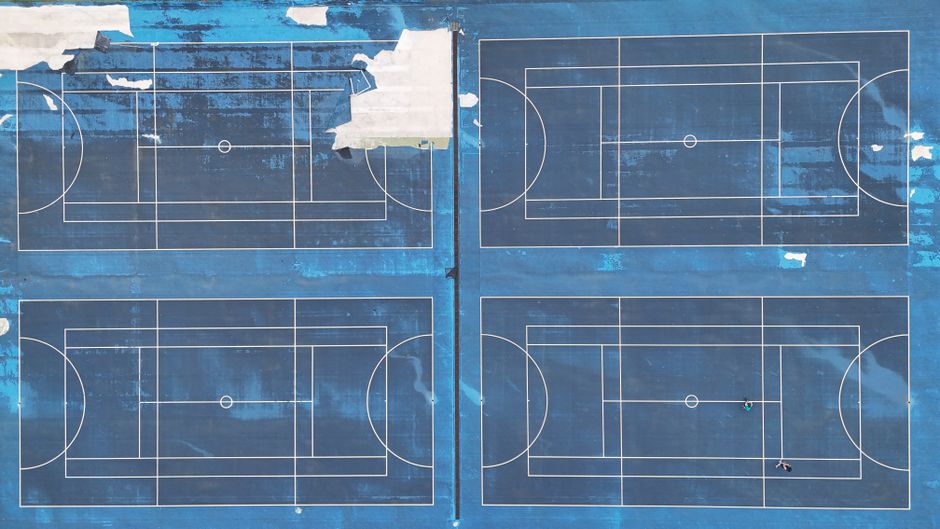
Across town, the Tuggeranong Multipurpose Sports Hall in Greenway has become a hub for indoor sports. Basketball, volleyball, and badminton competitions run throughout the week, with junior development programs operated by Basketball ACT and Canberra Volleyball drawing hundreds of participants each season. The $45 million facility, completed in 2023, can accommodate multiple codes simultaneously—a critical advantage for a growing population.
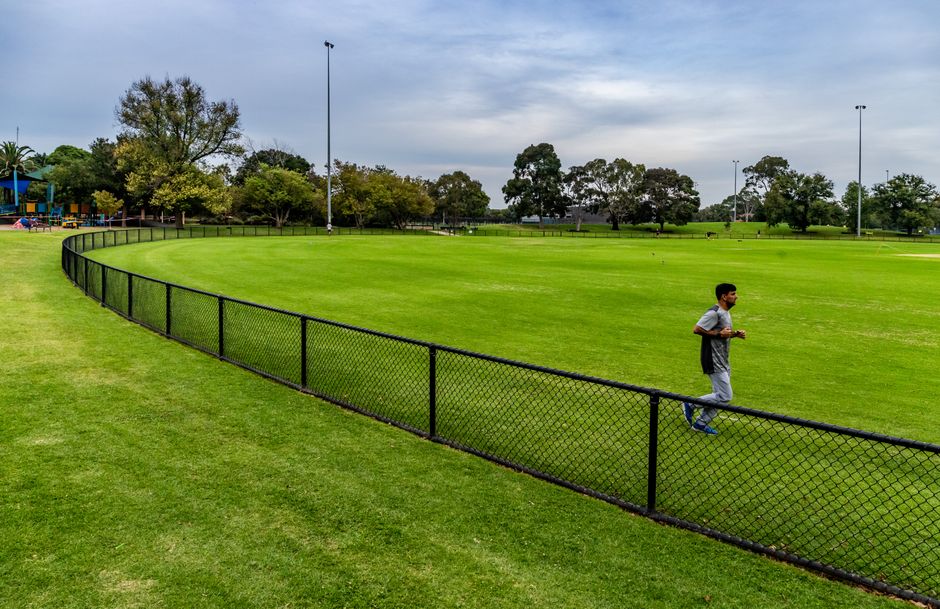
But Canberra's strength lies in its distributed network. Suburban ovals in Woden Valley, Belconnen, and Gungahlin are managed by the ACT Government and local clubs, offering affordable pitches for football, cricket, and Australian rules. Dickson Playing Fields and Northbourne Oval remain keystones, hosting everything from junior soccer clinics to weekend competitions.
The cycling infrastructure deserves particular mention. The expanding network of dedicated paths—including the Canberra Cycle Network's recent extensions along the Molonglo River corridor—has made cycling accessible beyond competitive cyclists. Bike Canberra and local clubs organise beginner rides and skills sessions regularly.
For families seeking structured entry, the ACT Sport and Recreation hotline and the newly launched ACT Sport Connect portal list all registered clubs, class schedules, and available spaces across codes. Most junior programs cost between $150 and $400 per term, with subsidies available through the ACT Government's Community Sporting Access Program.
The challenge now is awareness. Many Canberrans remain unaware of what's available in their backyards. Community notice boards, local newsletters, and school partnerships are bridging that gap, but word-of-mouth remains powerful. Talk to your neighbours, check the local Facebook groups, and visit your nearest oval or pool—chances are, someone's organising something.
This article was compiled by AI from the sources linked above and screened before publishing. See our editorial standards.