Walk into any boutique gym across Canberra right now and you'll notice something the big-box fitness chains struggle to replicate: people actually know each other's names.
At smaller facilities scattered across suburbs like Fyshwick, Belconnen, and Woden, a quiet revolution is reshaping how Canberrans approach fitness. Rather than anonymous treadmill running under fluorescent lights, independent gyms and specialised training clubs are fostering genuine communities—and their growth suggests locals increasingly value connection alongside their workout regimens.
The trend reflects broader shifts in Australia's fitness sector. According to recent industry data, boutique fitness clubs have grown at twice the rate of major chains over the past three years, with membership retention at independent facilities averaging 68 per cent compared to 52 per cent at larger competitors. In Canberra's relatively tight-knit population of roughly 460,000, this translates to real momentum.
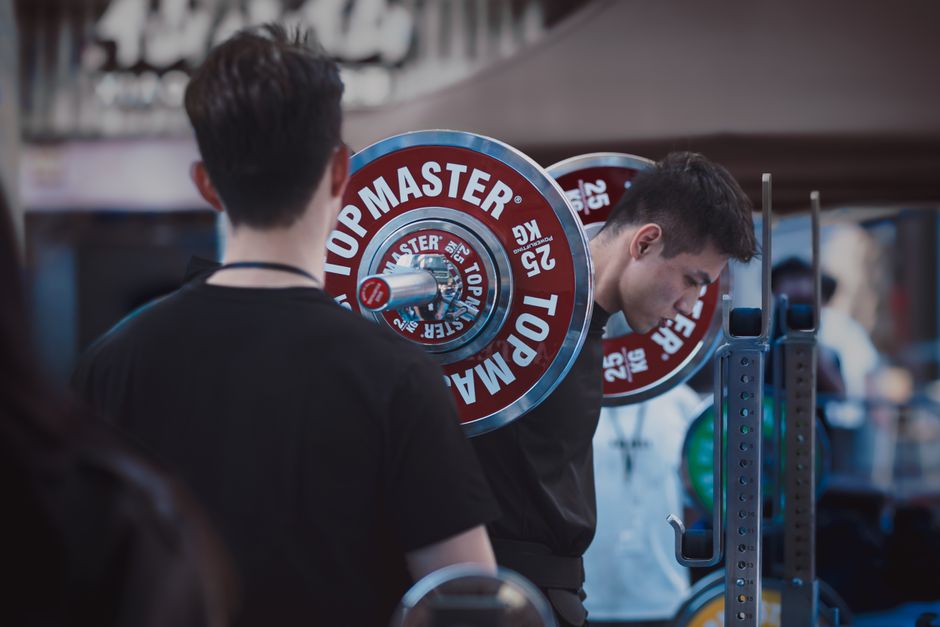
"People want to belong somewhere," explains the fitness culture across venues like Canberra's growing weightlifting and powerlifting communities. Club members often train together multiple times weekly, forming accountability partnerships that extend beyond gym floors. Many locals have shifted from casual memberships—typically $15-20 weekly at major chains—to committed roles at smaller facilities charging $18-25 weekly but offering personalised programming and genuine relationships.
The growth is visible across multiple disciplines. CrossFit boxes, Olympic lifting clubs, and traditional bodybuilding gyms in suburbs including Tuggeranong, Gungahlin, and the city centre have reported waiting lists for membership, with some capping numbers to preserve community culture. Boxing clubs in particular have seen surging female participation, reversing historical gender imbalances in combat sports.
What's driving this? Partly pandemic-era realisation that isolation harms both physical and mental health. Partly, too, social media fatigue—Instagram fitness culture feels hollow compared to sweating alongside someone who remembers your personal bests and celebrates your progress.
Local trainers and facility operators report deeper engagement metrics. Members who join community-focused gyms average 3.2 visits weekly compared to 1.8 at chains. They're also more likely to recruit friends, creating organic growth loops that sustain operations without aggressive marketing.
For Canberra's fitness community, the message is clear: the future isn't about the shiniest equipment or trendiest classes. It's about spaces where strangers become teammates, where coaches know your goals, and where Tuesday morning sessions feel like catching up with friends rather than checking off obligation.
In a world increasingly fragmented, Canberra's gym clubs are proving that iron, sweat, and genuine human connection remain irreplaceable.
This article was compiled by AI from the sources linked above and screened before publishing. See our editorial standards.