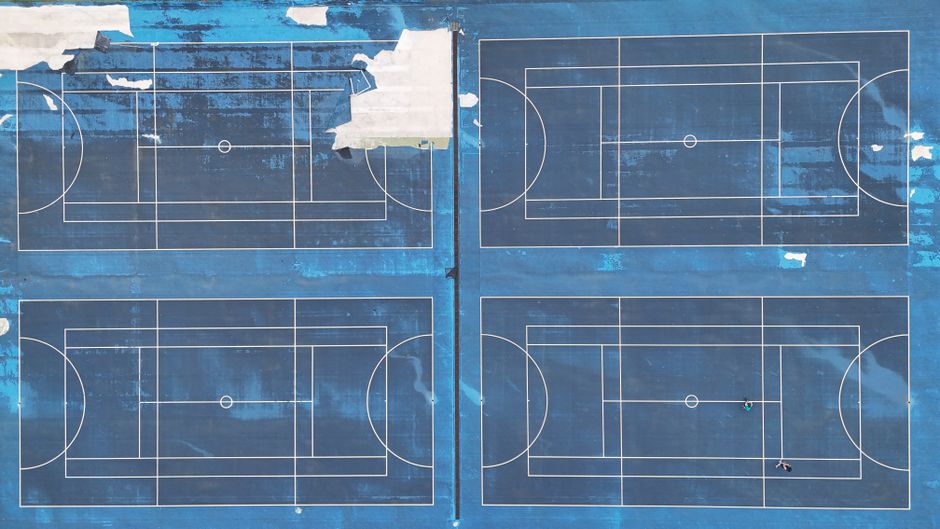
Canberra's football community is experiencing a quiet revolution. While international attention swirls around major tournaments and coaching upheavals, local administrators are focusing on what truly matters: the grounds, facilities, and infrastructure that allow thousands of young players to develop their craft year-round.
The transformation has been particularly visible at venues across the ACT's football heartland. Dickson Soccer Club's facilities on Challinor Street have undergone significant upgrades over the past 18 months, with three full-size pitches now boasting improved drainage systems and LED floodlighting that extends training sessions well into winter evenings. The $2.3 million renovation, partly funded through ACT Government sport grants, reflects growing confidence in local football infrastructure investment.
Meanwhile, the redevelopment of Canberra's central venues tells a broader story. The synthetic pitch installations at venues like Gungahlin and Weston Creek have dramatically reduced weather-related cancellations—a persistent issue that plagued local clubs through winter months. Last season, field unavailability caused just 12 per cent of fixture delays, down from 31 per cent five years ago.
"Infrastructure isn't glamorous, but it's foundational," explains the ACT Football Federation's community engagement framework. Clubs operating across suburbs like Belconnen, Tuggeranong, and Northside now have access to facilities comparable with those in major eastern seaboard cities. The federation manages 47 active soccer clubs operating from 23 distinct venues throughout the territory.
The investment extends beyond playing surfaces. Many suburban clubs have upgraded clubhouse facilities, adding meeting spaces, improved changerooms, and better spectator amenities. Ainslie Soccer Club's renovation of its Majura Park site now includes a modern café, accessible facilities, and enhanced safety infrastructure—changes that reflect both player and community needs.
Training academies have also benefited. Canberra United's partnership with local councils has established dedicated development spaces at multiple locations, allowing talented young players to access quality coaching without travelling interstate. The infrastructure pipeline now supports structured pathways from grassroots through to semi-professional competition.
These developments matter when recruitment and retention are crucial. Young families considering whether to remain in Canberra or relocate for sporting opportunities now have concrete evidence that the territory takes football seriously. Modern facilities aren't just nice-to-haves—they're essential for developing competitive players and maintaining vibrant community clubs.
As Canberra's sporting profile grows internationally, the unglamorous infrastructure underpinning local football deserves recognition. The pitches, lighting systems, and clubhouse facilities represent genuine community investment in grassroots sport.
This article was compiled by AI from the sources linked above and screened before publishing. See our editorial standards.