Canberra's outdoor adventure sports scene is experiencing a renaissance, driven by significant investment in world-class facilities that are reshaping how locals engage with climbing, bouldering, and extreme sports. The capital's strategic positioning between the Brindabella Mountains and the Australian Alps has long offered natural terrain, but recent infrastructure developments are professionalising the sector in unprecedented ways.
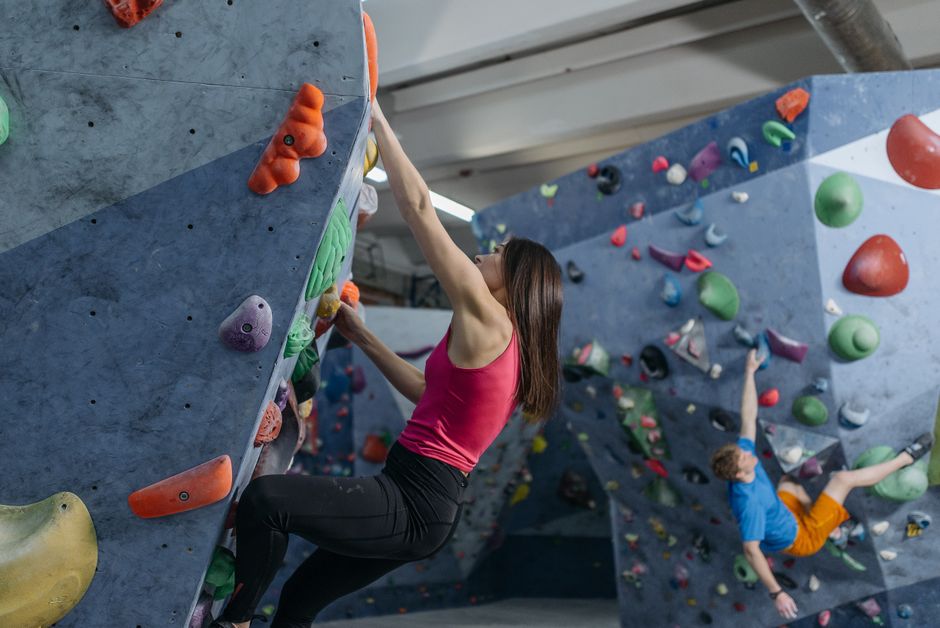
The centrepiece of this transformation is the recently expanded Canberra Indoor Rock Climbing facility in Fyshwick, which now spans over 2,000 square metres and welcomes more than 8,000 members. The venue operates multiple rope climbing walls, a dedicated bouldering section, and training zones equipped with campus boards and hangboards—professional-grade equipment previously unavailable locally. Day passes cost $25, with annual memberships around $450, making serious training financially accessible for dedicated athletes.
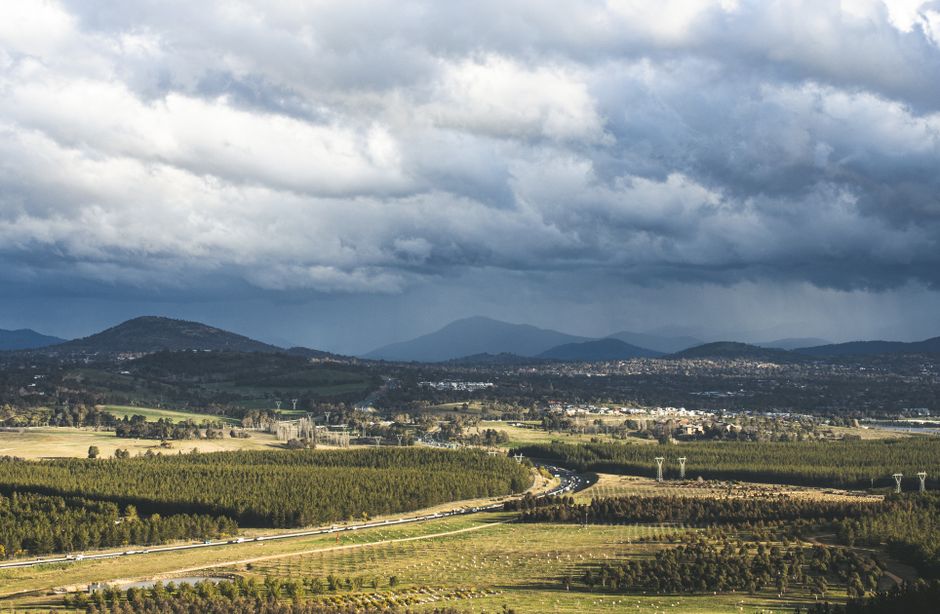
Beyond the city proper, Canberra's regional advantages are being leveraged strategically. The Tidbinbilla Nature Reserve, just 30 kilometres south-west of the CBD, has seen formalised climbing areas develop, with local climbing clubs partnering with conservation authorities to establish sustainable access to sandstone and granite formations. Meanwhile, the Burrinjuck Dam region provides world-recognised abseiling and rappelling opportunities, attracting interstate and international enthusiasts.
Infrastructure supporting adventure sports extends to dedicated coaching. Multiple providers now operate from venues across Woden and Belconnen, offering everything from beginner introductions to advanced lead-climbing certifications. The Australian Institute of Sport's involvement in monitoring and promoting high-performance climbing athletes has elevated Canberra's profile considerably.
Investment in trailhead facilities has also been crucial. Car parks, amenity blocks, and safety briefing areas at key climbing locations—particularly around the Canberra Nature Park system—have reduced barriers to entry while promoting responsible use. Local councils have allocated funding for maintaining climbing-specific infrastructure, recognising the economic and wellness benefits.
Data suggests participation in climbing and bouldering has grown 35 per cent across the ACT over the past three years, outpacing national averages. This growth reflects not just facility availability but a cultural shift: extreme sports are increasingly viewed as accessible, skill-building pursuits rather than niche activities.
For Canberra, the convergence of natural geography, municipal investment, and grassroots enthusiasm has created something distinctive. The capital is establishing itself not merely as a place where adventure sports happen, but as a destination where serious athletes train, improve, and compete. That transformation, brick by brick and wall by wall, is reshaping the city's identity.
This article was compiled by AI from the sources linked above and screened before publishing. See our editorial standards.