Sport
Running, Cycling and Triathlon Clubs Surge in Canberra as Community Bonds Strengthen
From Gungahlin to Tuggeranong, local endurance sport clubs are reporting record membership as Canberrans seek connection alongside fitness.
3 min read
Sport
From Gungahlin to Tuggeranong, local endurance sport clubs are reporting record membership as Canberrans seek connection alongside fitness.
3 min read

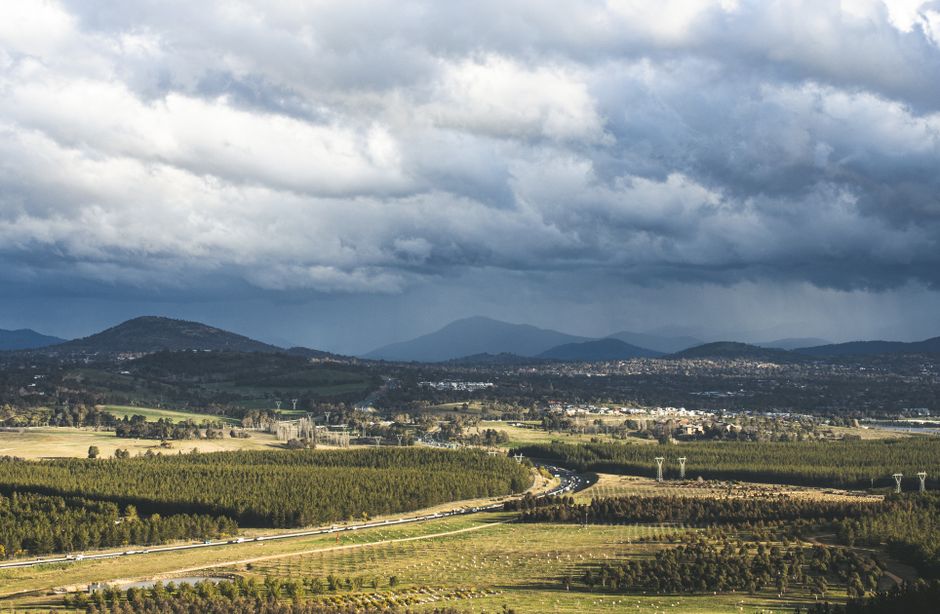
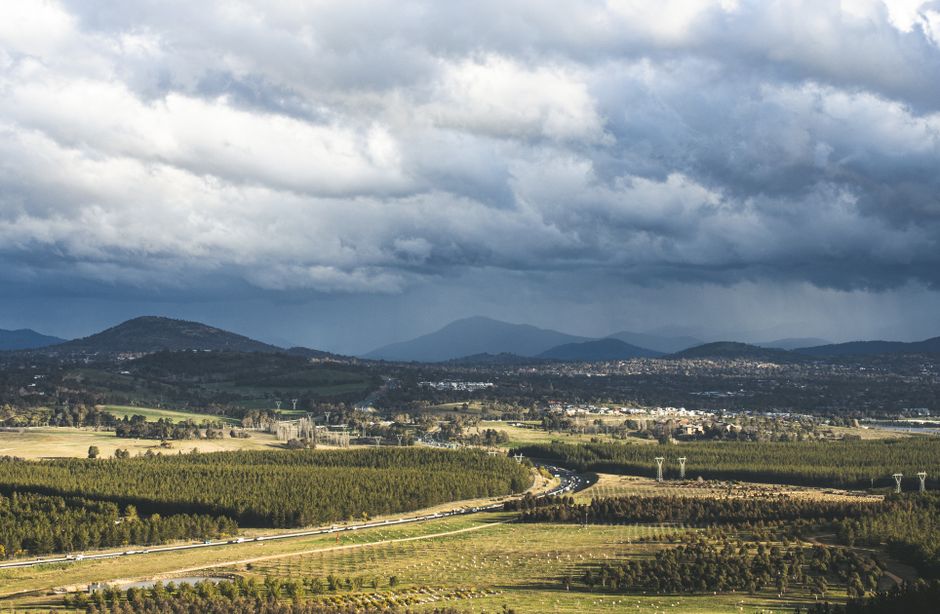
Canberra's endurance sports scene is experiencing a renaissance, with running, cycling and triathlon clubs reporting unprecedented growth and engagement across the territory's neighbourhoods. What began as isolated fitness pursuits has evolved into thriving community hubs that extend far beyond training sessions and race day performances.
The Canberra Running Festival, held annually on Lake Burley Griffin's circuit, now attracts over 8,000 participants—a figure that's doubled since 2020. But the real story lies in the grassroots clubs fueling this surge. Groups like the Canberra Triathlon Club, based near the Dickson aquatic facilities, have expanded from 150 members to over 450 in just three years. Their Saturday morning swims in the heated pool followed by community breakfasts at nearby cafés have become cultural touchstones for locals across Belconnen and beyond.
Cycling clubs are similarly thriving. The Canberra Cycling Club's weekly meetups departing from the Barton cycle hub now accommodate riders across all skill levels, with Tuesday evening social rides attracting upwards of 80 participants. Meanwhile, mountain biking communities around Stromlo Forest Park have established dedicated maintenance stations and volunteer-led trail-building initiatives, with membership fees typically ranging from $80 to $120 annually.
What distinguishes Canberra's endurance sport culture is the emphasis on inclusion. The Tuggeranong Running Club offers beginner-friendly 5km programs through the district's expansive parkland network, while the Gungahlin Triathlon Group specifically mentors newcomers through the daunting three-discipline transition. Both charge modest registration fees—typically $15 to $25 per session—ensuring accessibility remains paramount.
Social cohesion appears to be the unexpected dividend. Club members report lasting friendships, support networks that extend into non-sporting life, and a genuine sense of belonging. The Canberra Cycling Club's coffee runs through inner-north suburbs like O'Connor and Ainslie have become informal community gathering points, while triathlon clubs have pioneered carpool systems that reduce environmental impact while deepening relationships.
Local venues have benefited too. The Canberra Olympic Pool, Lake Gungahlin's recreational precinct, and various community halls have positioned themselves as club headquarters, receiving increased bookings and membership inquiries. The territory's flat terrain and extensive network of purpose-built cycling paths have made Canberra an ideal location for these sports to flourish.
As we head into the 2026-27 season, indications suggest this growth trajectory will continue. Club coordinators attribute success to word-of-mouth recommendations and social media, but most credit something simpler: the human need for shared purpose and genuine community in an increasingly fragmented world.
This article was compiled by AI from the sources linked above and screened before publishing. See our editorial standards.
Sport
Sport
Sport
Sport
About this article
Published by The Daily Canberra
Spread the word
Daily brief
Free, in your inbox before 7am. Weekdays.
The Daily Network — local news across Australia