Walk past Manuka Oval on a winter evening and you'll see the infrastructure that keeps Canberra's recreational sport ecosystem humming. But while elite venues capture attention, it's the unglamorous courts, fields and clubhouses scattered across suburban precincts that truly sustain the city's sporting culture.
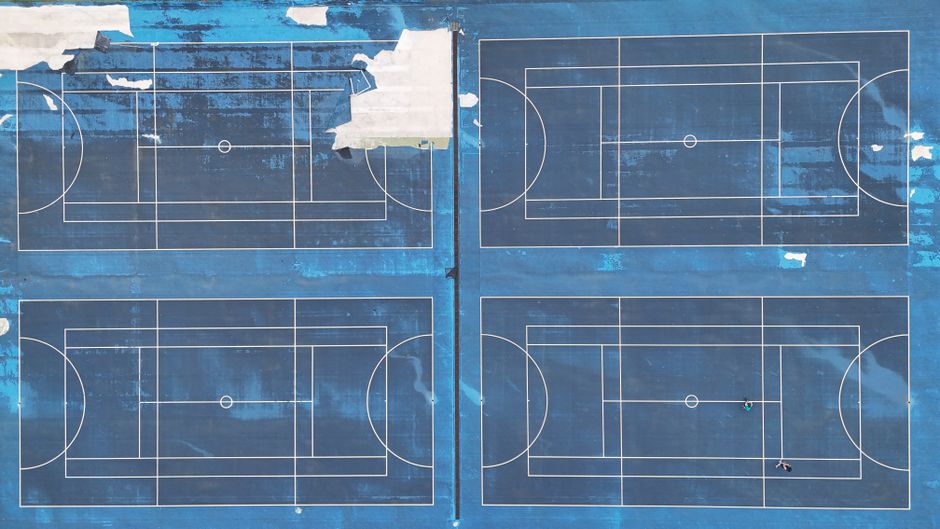
The Canberra and District Amateur Athletic Association coordinates track and field across seven dedicated ovals, with the main facility at Dickson producing dozens of local competitors annually. Membership costs run between $80–$150 per season, making grassroots athletics accessible to working families. Similarly, the Canberra District Netball Association operates through fourteen courts distributed across Weston, Forrest and Gungahlin—many housed in aging but functional community centres requiring ongoing investment from the ACT Government's sports grants program.
Tennis remains a popular recreational pursuit, with clubs like Canberra Tennis Centre in Lyneham and Woden Valley Tennis Club maintaining approximately thirty courts combined. Court hire typically ranges from $20–$30 per hour, though membership discounts reduce costs for regular players. Basketball facilities have expanded significantly, with the Canberra Basketball Association now managing venues in Dickson, Woden and the inner north, alongside school-based partnerships that extend access to suburban populations.
Football—both codes—places heavy demands on infrastructure. The ACT Brumbies community rugby program operates from Erindale and Weston grounds, while soccer clubs across the Canberra District Football Association network manage pitches in Tuggeranong, Belconnen and the central basin. A typical junior soccer registration costs $250–$380 per season, with facility maintenance shared between clubs and council.
Challenges persist. Several older clubhouses in Ainslie, Forrest and Theodore require refurbishment, and drought conditions periodically stress turf management budgets. The ACT Government's Sport and Recreation Services directorate allocates approximately $4.2 million annually to facility upgrades, though demand consistently outpaces funding.
Yet local administrators report strong participation. The Canberra District Cricket Association oversees twelve grounds across the territory, supporting over 3,500 players in summer competitions. Winter sports similarly thrive—Australian rules football through six community clubs, hockey via facilities at Lyneham, and netball maintaining its position as one of the largest participation sports.
What distinguishes Canberra's recreational landscape is its suburban distribution. Rather than concentrating facilities in the city centre, infrastructure spreads through residential zones—making sport accessible without lengthy commutes. That geographic equity, maintained through careful planning and volunteer club stewardship, underpins the capital's reputation as a genuinely sports-minded community.
This article was compiled by AI from the sources linked above and screened before publishing. See our editorial standards.