culture
Canberra's Booming Gallery Scene Finally Gets the Attention It Deserves
A surge of ambitious exhibitions and cultural investment is putting the capital's art institutions on the map.
2 min read
culture
A surge of ambitious exhibitions and cultural investment is putting the capital's art institutions on the map.
2 min read
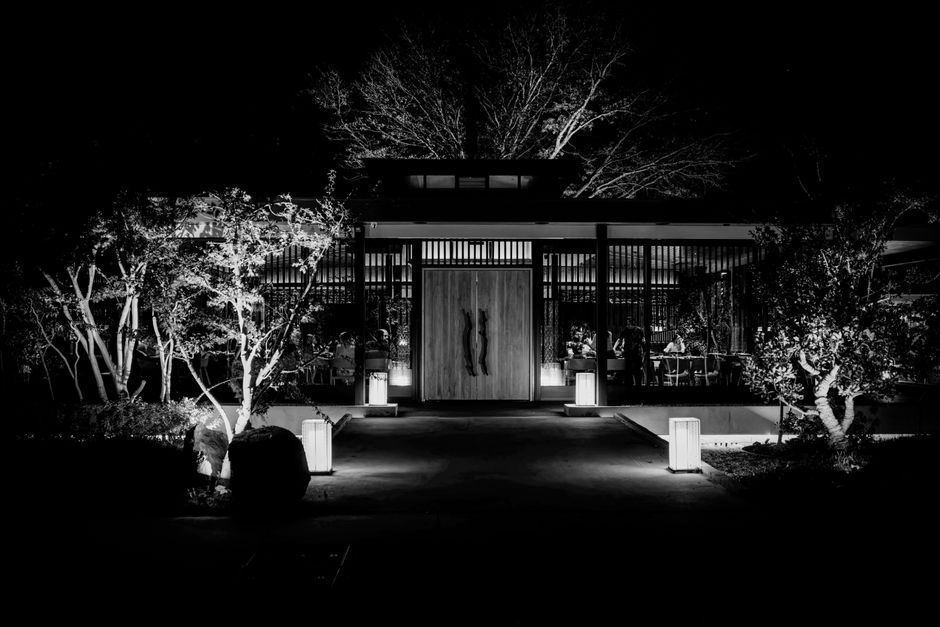
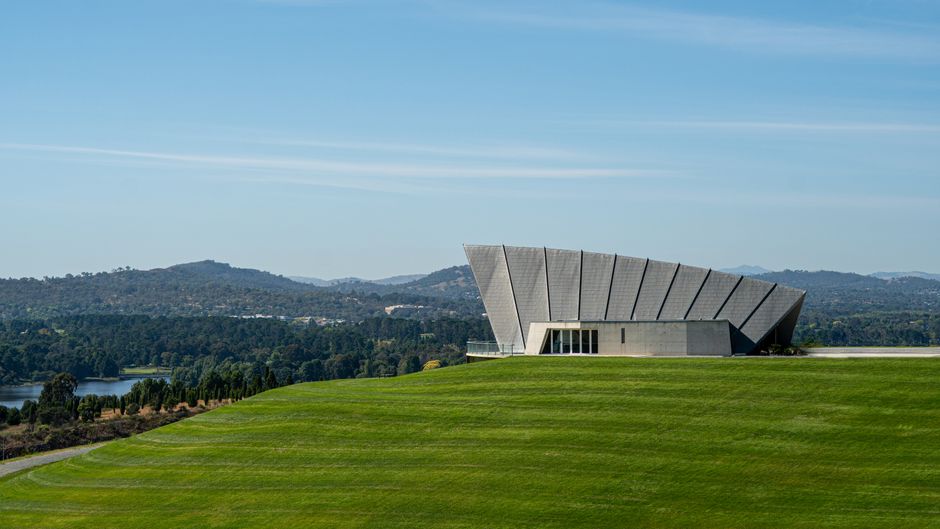
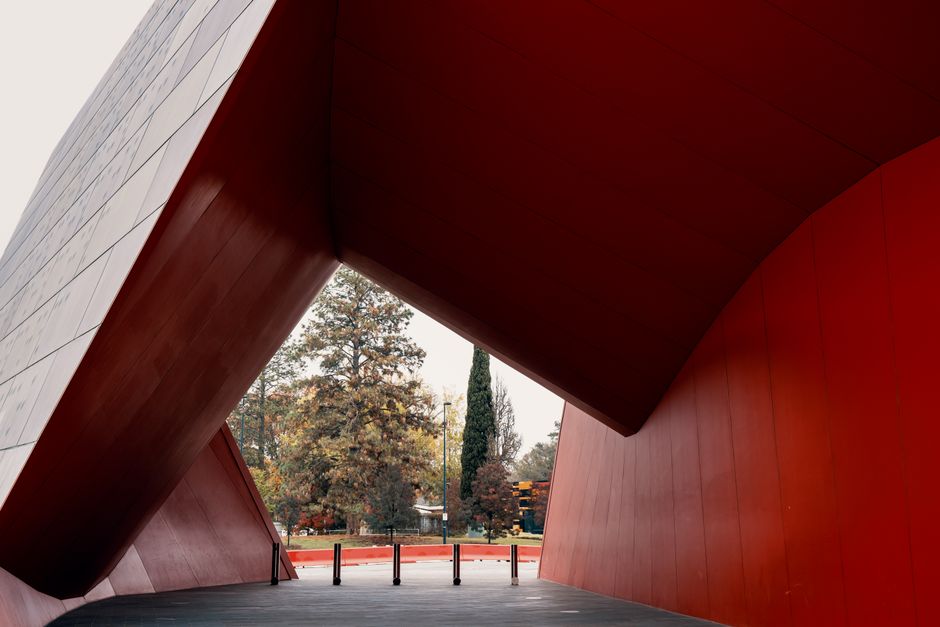
Walk through Parkes on a Thursday evening and you'll notice something that wasn't happening five years ago: queues outside the National Gallery of Australia. The institution's recent programming push – marked by its expanded contemporary wing and rotating international exhibitions – has sparked genuine conversation about Canberra's standing as a cultural destination, not just a political one.
But the NGV isn't alone in driving this shift. Across the city, from the intimate galleries of Braddon to the ambitious programming at the Australian Museum, institutions are recalibrating what's possible in Australia's purpose-built capital. The Canberra Museum and Gallery's ongoing commitment to First Nations narratives – particularly resonant as NAIDOC Week continues to shape cultural conversations nationally – has positioned the institution as essential rather than peripheral.
What's changed is investment and ambition. The NGV's $40 million redevelopment, completed in 2024, wasn't just about infrastructure. It signalled that Canberra's cultural institutions were serious about competing for eyeballs and dollars. Gallery attendance figures across the capital have jumped approximately 23 per cent since 2024, according to preliminary data from the Canberra Tourism and Events Corporation, suggesting locals are engaging with their own backyard in new ways.
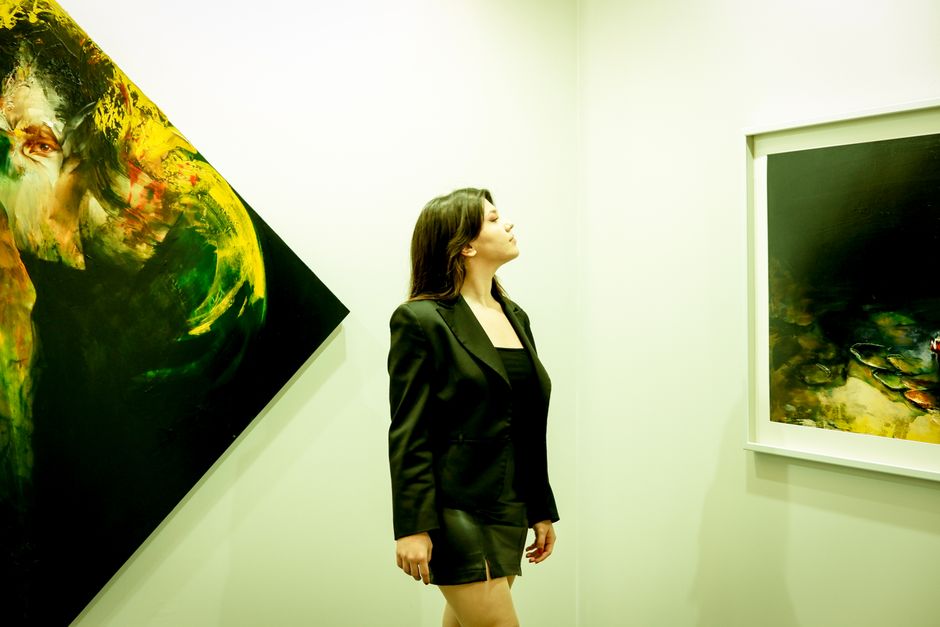
The smaller venues are equally fascinating. Galleries like Craft ACT in Kiloby, and the emerging artist collectives around Braddon's laneway precinct, are fostering experimental work that doesn't feel beholden to the conservative tastes sometimes associated with Canberra's institutional culture. These spaces operate on thin margins – Canberra's small population means foot traffic that would sustain a gallery in Sydney or Melbourne is harder won – yet they're proliferating.
Why now? Part of it is demographic. Canberra's median age is dropping, young professionals are relocating for tech jobs and public service roles, and this cohort expects cultural vibrancy as standard. There's also the post-pandemic recalibration: people reassessing what matters, and art institutions positioned themselves as essential rather than luxury.
The conversation around these spaces isn't just about attendance numbers or exhibition catalogues. It's about identity. For decades, Canberra's cultural narrative was written by Parliament House and the national institutions – important, but narrow. Now, the conversation is widening to include what local artists are making, what experimental work emerges from Braddon, what the smaller galleries are curating. That shift – from Canberra-as-backdrop to Canberra-as-protagonist – is what locals are actually talking about.
This article was compiled by AI and screened before publishing. See our editorial standards.
About this article
Published by The Daily Canberra
Spread the word
Daily brief
Free, in your inbox before 7am. Weekdays.
The Daily Network — local news across Australia