culture
Five Emerging Artists Reshape Canberra's Gallery Scene
Beyond the National Gallery, a new generation of voices is claiming gallery walls across Braddon and Kingston—and they're already turning heads.
3 min read
Updated 1 h ago
culture
Beyond the National Gallery, a new generation of voices is claiming gallery walls across Braddon and Kingston—and they're already turning heads.
3 min read
Updated 1 h ago
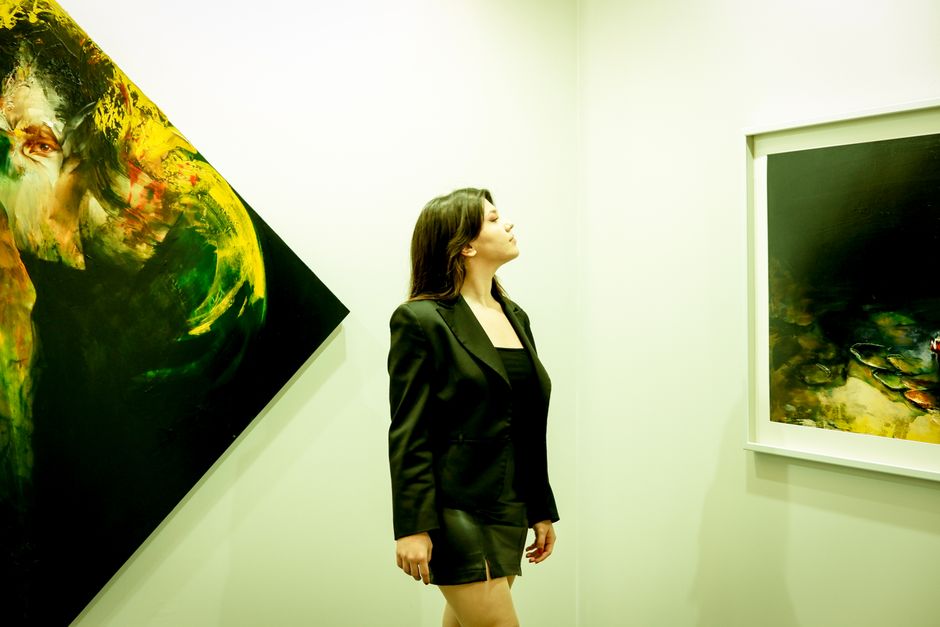
Walk down Childers Street in Braddon on any given Friday evening, and you'll notice something shifting in Canberra's cultural landscape. The emerging artist has stopped being a future promise and become a present reality—one increasingly visible across our city's mid-size galleries and contemporary spaces.
For years, the National Gallery of Australia has anchored our visual culture conversation. But the real ferment is happening in the independent galleries dotting our inner north neighbourhoods, where younger artists are experimenting with form, identity, and what it means to make work in a city that's finally stopped apologising for itself.
The Canberra Contemporary Art Space, which expanded its programming in 2024, now dedicates roughly 40 per cent of its annual exhibition calendar to artists with fewer than five years of professional practice. That's a significant commitment in an economic climate where arts organisations are watching every dollar. Gallery director programming decisions reflect what curators across the country are seeing: there's genuine innovation happening here, not just derivative trends.
What distinguishes Canberra's emerging voices isn't a unified aesthetic—it's a shared preoccupation with place-specificity and community. Several artists gaining traction are deliberately engaging with Canberra's planned-city infrastructure, its Indigenous histories, and the particular loneliness and possibility of capital-city living. This feels distinct from the identity politics exhaustion visible in Sydney and Melbourne gallery spaces.
The economics tell a story too. Entry prices to emerging artist shows—typically $15-20 for opening events—remain genuinely accessible. The Drill Hall Gallery's recent focus on early-career practitioners drew crowds that surprised even veteran observers. Young collectors, many in their late twenties and thirties, are actually buying work rather than just attending openings for the free wine.
Kingston's gallery precinct is particularly energised. Beyond the established institutions, smaller independent spaces are experimenting with pop-up models and collaborative programming that feels less precious than the traditional white-cube approach. This democratisation matters—it signals that Canberra's art scene is becoming less insular, less dependent on institutional blessing.
The question now isn't whether emerging talent exists in Canberra. It's whether our city will retain these voices as they gain interstate recognition, or whether they'll follow the well-worn path to Sydney's overcrowded galleries. The next two years will be telling. If our institutions and collectors continue investing seriously, Canberra could genuinely claim to be nurturing the next generation rather than simply hosting them en route to elsewhere.
This article was compiled by AI and screened before publishing. See our editorial standards.
About this article
Published by The Daily Canberra
Spread the word
Daily brief
Free, in your inbox before 7am. Weekdays.
The Daily Network — local news across Australia