culture
Canberra's Street Art Precincts Transform Into Major Design Destinations
A groundswell of creative investment in Kingston, Narrabundah and the Civic precinct is reshaping how the city thinks about public space.
2 min read
culture
A groundswell of creative investment in Kingston, Narrabundah and the Civic precinct is reshaping how the city thinks about public space.
2 min read
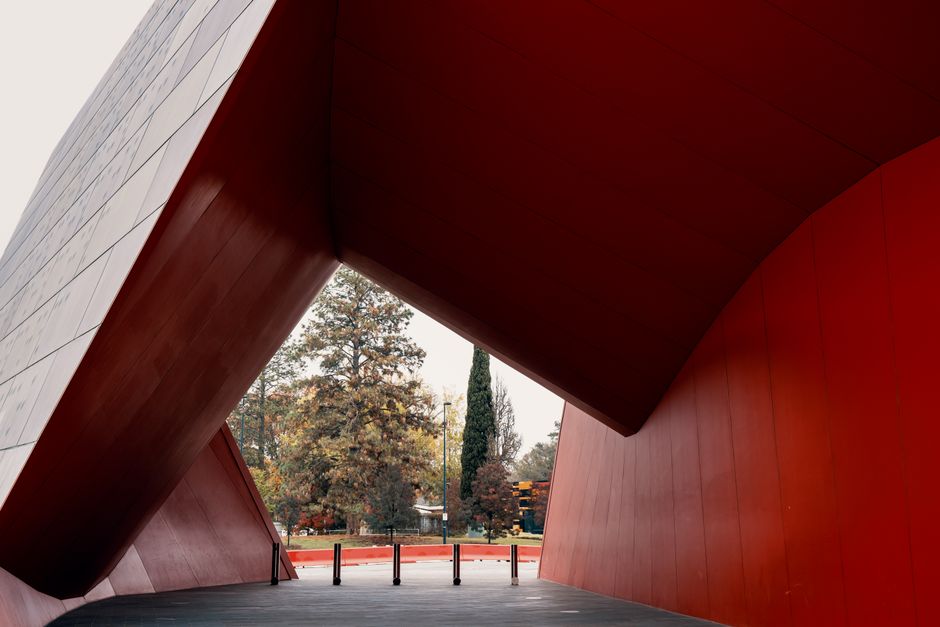
Walk down Giles Street in Kingston on any given Thursday afternoon, and you'll notice something that wasn't true even eighteen months ago: the walls talk back. A sprawling mural by local collective Phantom Limb Studios stretches across a former warehouse facade, depicting Canberra's Lake Burley Griffin in fractured blues and greys. Nearby, a rotating gallery of street art installations draws weekend foot traffic that's begun to reshape the precinct's economy and reputation.
This isn't accidental. Canberra's street art and creative districts are experiencing a decisive moment, and locals are noticing. The Narrabundah Creative Precinct—anchored around Jerrabomberra Avenue and Narrara Street—has seen five new artist studios open in the past fourteen months. Meanwhile, the ACT government's 2026 Cultural Infrastructure Strategy has allocated $2.3 million towards formalising street art zones and supporting emerging designers through residency programs.
"What's changed is legitimacy," says the Canberra Street Art Network, a grassroots advocacy group that has moved from underground Telegram channels to regular consultation with the ACT Heritage Council. "Five years ago, council was repainting over anything that wasn't sanctioned. Now there's actual dialogue about what public space should look like."
The momentum reflects a broader cultural shift. Kingston's retail vacancy rate, which sat at 14 percent in 2023, has dropped to 9.2 percent—attributed partly to the precinct's emerging identity as a design destination. The week-long Canberra Street Art Festival in September 2025 drew an estimated 12,000 visitors and generated $800,000 in local spending, according to the Kingston Business Association.
But this transformation raises real questions. Property values along Giles Street have risen 23 percent year-on-year, sparking conversations about gentrification that mirror global anxieties about creative placemaking becoming a vehicle for displacement. Community voices—particularly from Wungungarra, Canberra's First Nations arts collective—are increasingly asserting that design-led renewal must centre Indigenous storytelling and sovereignty.
What's undeniable is this: Canberra is no longer a city where public walls are merely infrastructure. They're becoming a battleground for identity, investment, and belonging. Whether that results in authentic cultural renaissance or aesthetic tokenism remains the conversation locals are having right now, in pubs, studios, and yes—on the streets themselves.
This article was compiled by AI and screened before publishing. See our editorial standards.
About this article
Published by The Daily Canberra
Spread the word
Daily brief
Free, in your inbox before 7am. Weekdays.
The Daily Network — local news across Australia