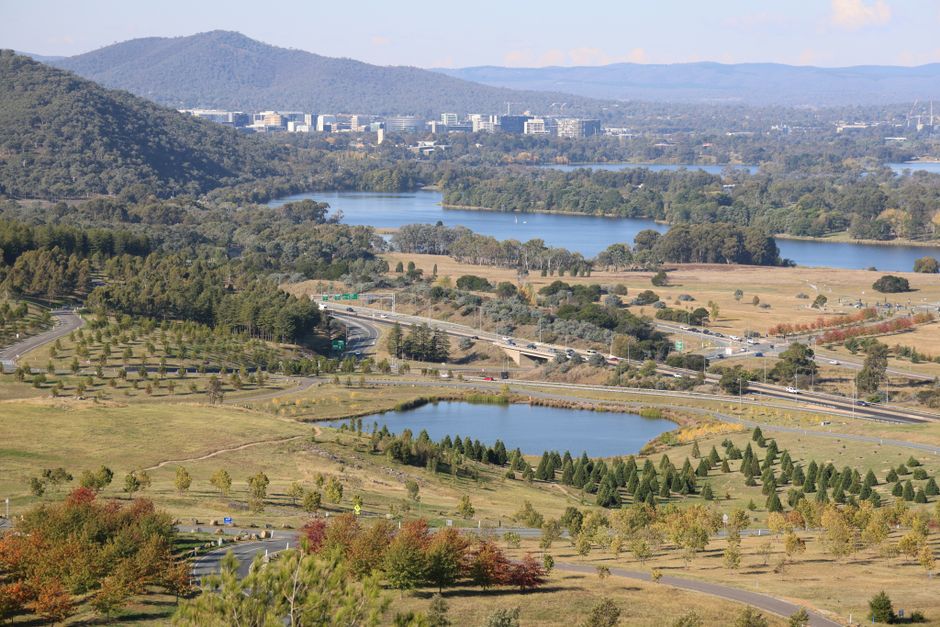
Most visitors arrive at Canberra expecting a purpose-built capital of wide boulevards and institutional grandeur. They're not wrong—but that's only half the story. The city's true cultural identity emerges when you move beyond Parliament House and Lake Burley Griffin to discover layers of Aboriginal connection, European settlement narratives, and mid-century architectural ambition that shaped how Australians imagine themselves.
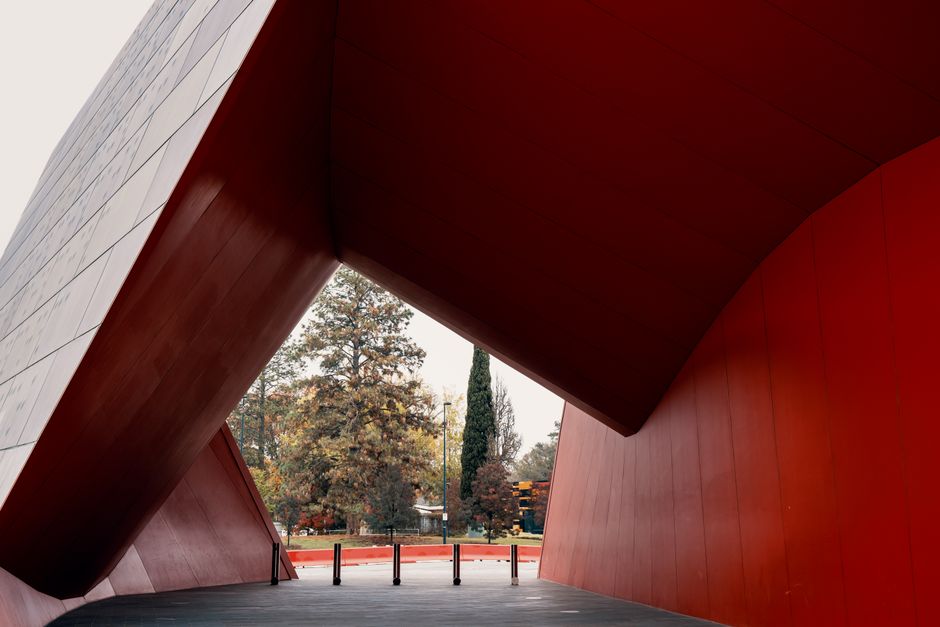
Start with what came first. The Ngunnawal and Ngambri peoples inhabited this region for tens of thousands of years before European arrival in the 1820s. The National Museum of Australia on Lawson Crescent integrates First Nations perspectives throughout its collections rather than cordoning them into separate galleries—a curatorial approach that reflects how contemporary Canberra thinks about its identity. Entry costs $15, and the museum's outdoor gardens feature native plantings that quietly acknowledge the land's original stewardship.
Head to the Australian War Memorial on Treloar Crescent afterward. Beyond its military focus, it documents how conflict shaped Australian identity narratives—particularly important given this year's NAIDOC Week celebrations marking 50 years of First Nations storytelling in media. The memorial's extensive First Nations service records offer sobering context.
Architecture buffs should venture to New Parliament House on Capital Hill, then wander down to the older Parliament House nearby—the contrast between Walter Burley Griffin's 1927 vision and the 1980s' postmodern answer tells Canberra's evolving story in concrete and stone. Free guided tours operate daily.
Don't miss the Canberra Museum and Gallery on London Circuit in Civic, where local history exhibitions rotate seasonally. Current displays examine how the city's 1980s cultural boom transformed it from administrative center into genuine cultural destination. Entry is $12.
For something more intimate, explore the heritage suburbs of Forrest and Red Hill. Tree-lined streets preserve 1920s-30s residential architecture, while local heritage plaques detail the families and stories embedded in these neighborhoods. Many residents maintain period gardens—a living archive of horticultural taste across a century.
Finally, seek out independent bookshops and galleries in Braddon and Kingston. These neighborhoods have revitalized around cultural venues in ways that mirror broader Australian conversations about independent retail's role in preserving local character. The independent scene here punches above its weight for a city of Canberra's size.
Canberra rewards visitors willing to read between the lines. The heritage isn't always monumental—often it's architectural, botanical, or embedded in the everyday choices communities make about which stories to keep telling.
This article was compiled by AI and screened before publishing. See our editorial standards.