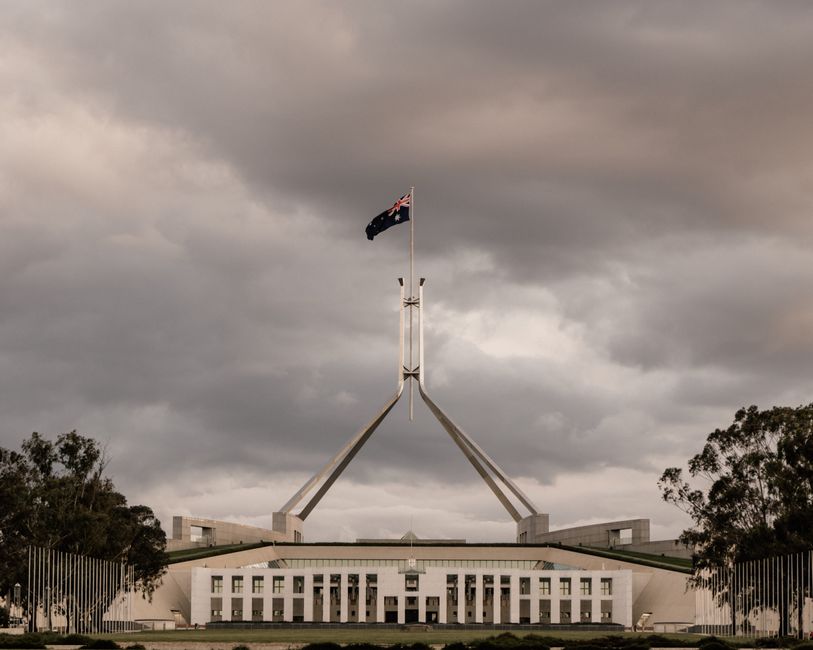
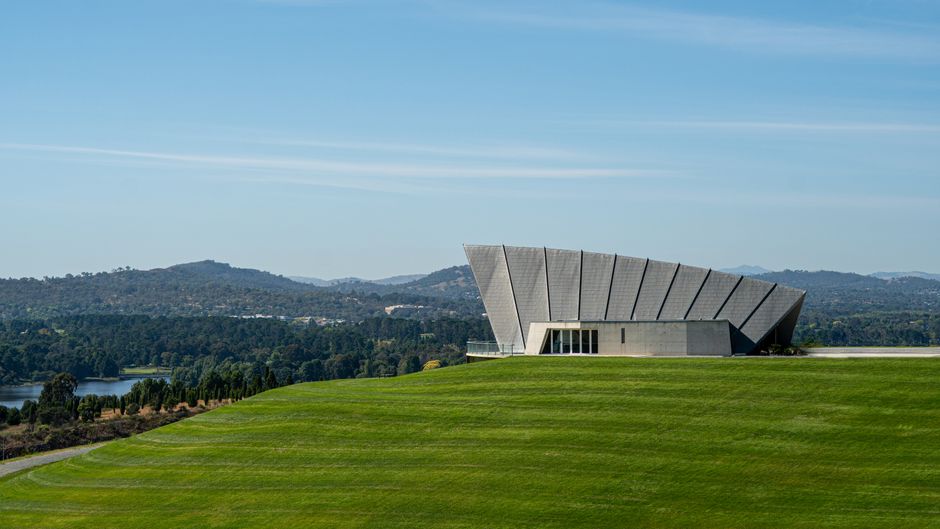
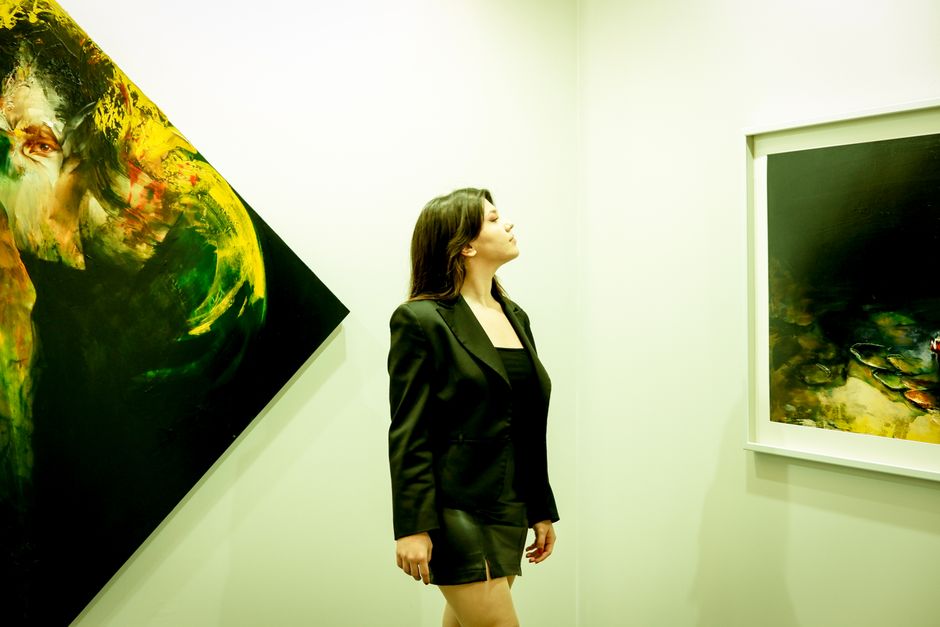
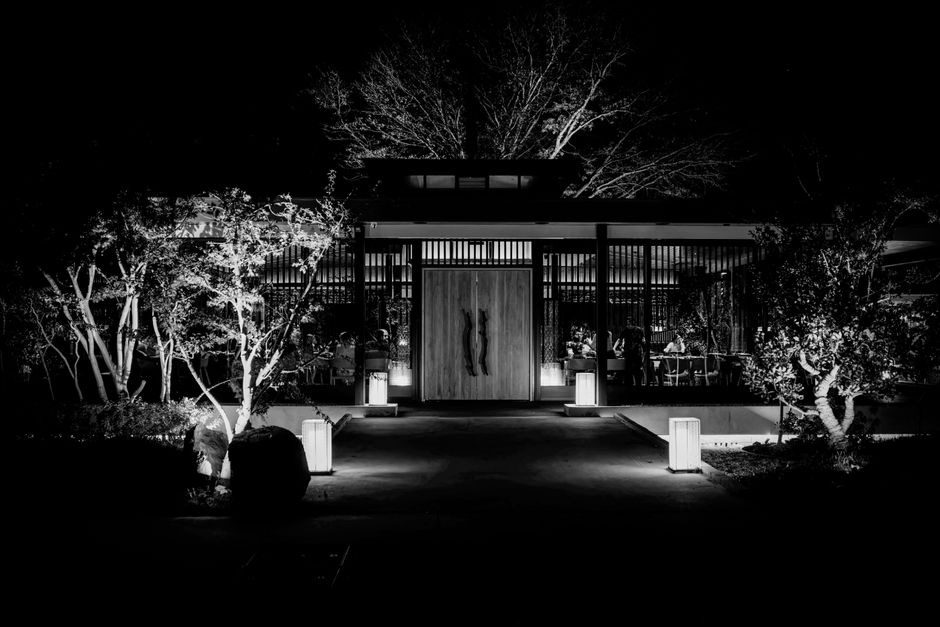
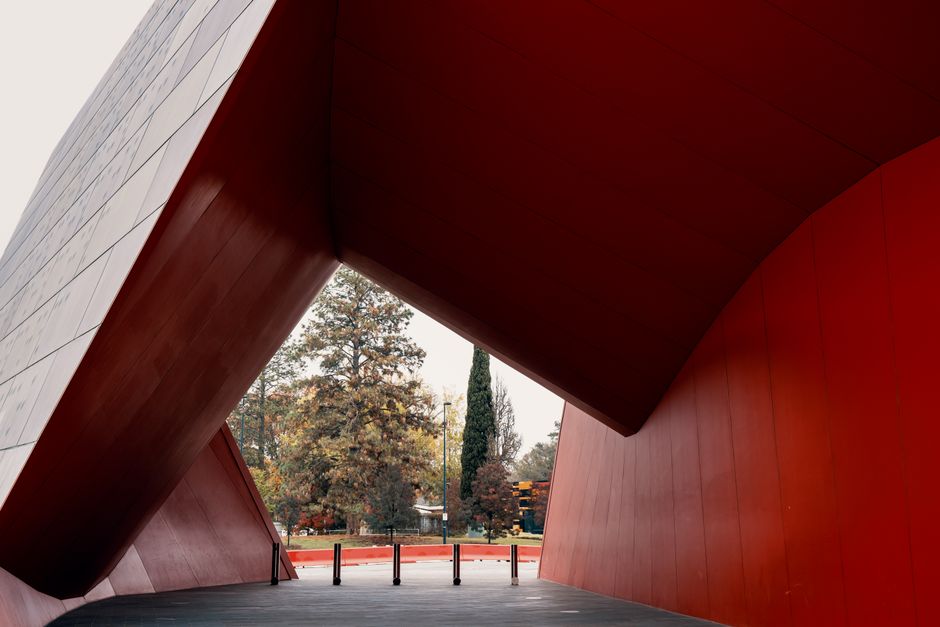
Walk down Lonsdale Street in Braddon on any given Thursday and you'll encounter something quietly contentious: a city deciding what it wants to remember. The heritage precinct—once quietly overlooked—has become the unlikely flashpoint in a broader conversation about Canberra's cultural identity, particularly as development pressures mount and First Nations narratives finally claim sustained attention.
The Australian Heritage Council's recent review of inner-south sites has triggered genuine community friction. Residents and heritage advocates argue that buildings dating to the 1960s and 70s—modest commercial strips, institutional structures, the everyday architecture of post-war Canberra—deserve protection before market forces erase them entirely. Yet developers counter that heritage listings stifle the urban renewal projects Canberra needs to house its growing population, now approaching 460,000.
What makes this particularly charged is timing. NAIDOC Week's prominence—and increasing visibility of First Nations stories across cultural programming—has forced uncomfortable questions about whose heritage actually matters in a city built on Ngunnawal country. The Canberra Museum and Gallery's expanded Indigenous collections represent progress, but locals note the disconnect: we're carefully preserving 1970s shopping centres while sacred sites and Aboriginal heritage remain, for many Canberrans, invisible.
"We've created a very particular version of Canberra's history," one local heritage advocate observed to me (speaking on background). "The planned city, the monuments, the institutions. But there's another Canberra underneath—the one built by working people, by migrant communities, by the Ngunnawal people whose presence predates all of it."
The tension is practical, too. Renovation costs in heritage-listed properties can run 15-20% higher than standard builds. Inner-north suburbs like O'Connor and Downer—increasingly sought by young professionals—face the dual pressure of heritage protection and gentrification. Preservation can mean fossilisation; erasure means losing the texture of how ordinary Canberrans actually lived.
Recent funding announcements for cultural infrastructure—including expanded space at the National Museum of Australia—suggest institutions are taking these questions seriously. But on the street level, the debate remains unresolved. Community forums at the Canberra Library and submissions to the ACT Heritage Council continue through July, signalling this isn't a settled matter.
For a city that's only just passed its centenary, Canberra's rush to define its heritage reveals something essential: we're still figuring out who we are. The question now is whether that reckoning includes all the voices that built this place.
This article was compiled by AI and screened before publishing. See our editorial standards.