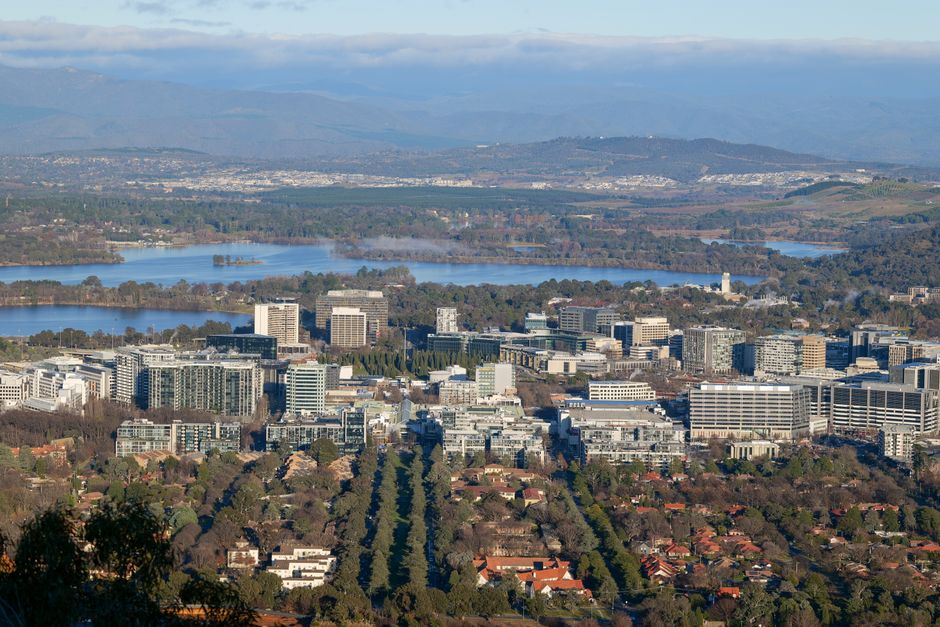
The venture capital spotlight has shifted sharply toward artificial intelligence, and Canberra's entrepreneurial ecosystem is scrambling to position itself at the centre of the action. With global tech investors witnessing valuations surge—most visibly in European SaaS firms commanding unprecedented multiples—local founders across Braddon, Kingston, and the emerging Parkes tech corridor are urgently refining pitch decks and calibrating fund-raising timelines.
The numbers tell a compelling story. Australian AI-focused startups attracted $2.3 billion in venture funding during 2025, nearly double the previous year's total. While Sydney and Melbourne traditionally dominate capital flows, Canberra's proximity to federal policy-makers and growing clusters of deep-tech talent are attracting fresh investor attention. At least four Canberra-based AI ventures are reportedly in advanced funding discussions, seeking Series A rounds ranging from $8 million to $25 million.
"The investor narrative has fundamentally shifted," explains the landscape at venues like Canberra Innovation Network's headquarters in Mitchell, where tech founders and corporate innovators increasingly congregate. Global precedent matters: when a prominent Indian entrepreneur commits $30 million of personal capital to build productivity software alternatives, it signals to venture partners worldwide that application-layer AI solutions command serious runway.
Local property and talent dynamics are shifting accordingly. Tech talent salary expectations in Canberra have risen approximately 18 percent year-on-year, driven by competition for machine-learning engineers and product designers. Commercial office leasing rates in Braddon have increased 12 percent since mid-2025, with AI startups clustering near the Australian Technology Park and emerging innovation hubs.
However, challenges persist. Canberra founders often struggle competing against Sydney and Melbourne counterparts for venture partner attention. Most major Australian VCs maintain offices in eastern-seaboard cities, requiring Canberra teams to travel for investor meetings. Additionally, unlike consumer-facing tech sectors, AI infrastructure plays demand deep relationships with enterprise customers—relationships typically easier to establish in larger metropolitan economies.
Yet optimism prevails. Commonwealth government interest in sovereign AI capabilities, combined with talent attracted by the public service's innovation mandates, creates structural advantages. The Australian National University's computer science faculty increasingly partners with local startups, feeding early-stage ventures with research talent.
As Apple readies premium computing hardware and productivity-focused AI vendors jockey for market position, Canberra's moment to capture sustainable venture interest may hinge on founders' ability to deploy capital efficiently and demonstrate traction before the inevitable market correction arrives.
This article was compiled by AI and screened before publishing. See our editorial standards.