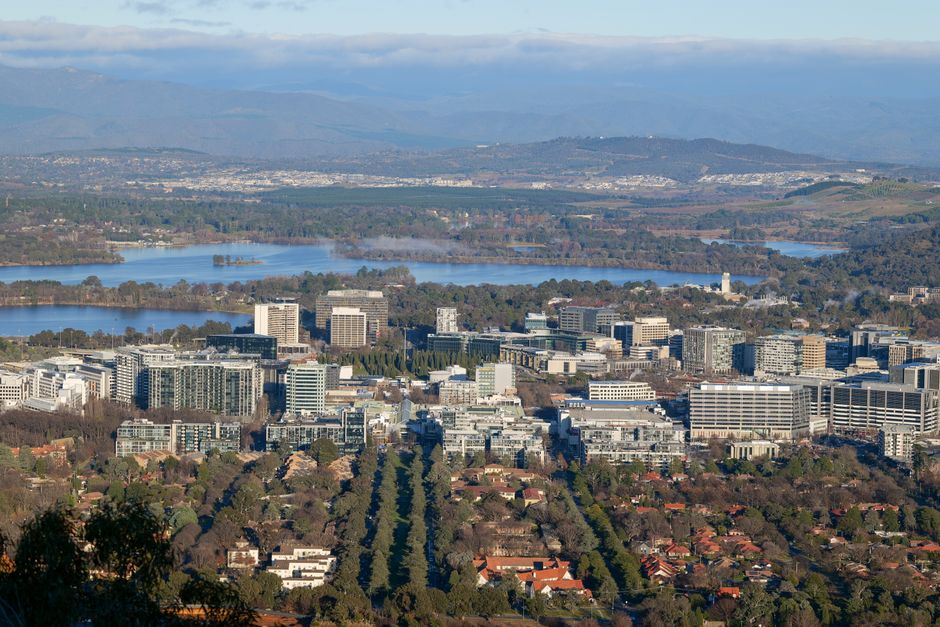
While Silicon Valley dominates headlines and Sydney attracts venture capital like a magnet, Canberra is quietly building something different—and deliberately so. The capital's technology ecosystem, concentrated in pockets from the Braddon startup precinct to the research corridors of the Australian National University, operates on a fundamentally different principle than its global peers: proximity to policy and national security infrastructure.
This distinction has become increasingly valuable. As cybersecurity threats intensify—evidenced by recent high-profile incidents targeting public figures investigating technology abuses—government and defence agencies are actively seeking local innovation partners. Unlike distant tech hubs dependent on lobbying and grant applications, Canberra-based companies operate within walking distance of policy makers, parliament, and the agencies shaping Australia's digital future.
The numbers reflect this focus. The ANU's school of computing alone attracts over $180 million annually in research funding, much directed toward cybersecurity, quantum computing, and critical infrastructure resilience. Companies like those in the Kingston and Forrest tech corridors benefit from direct collaboration with government research divisions—a relationship competitors in Melbourne or Brisbane must cultivate remotely.
But Canberra's distinction extends beyond government alignment. The city's startup ecosystem has matured considerably. The Braddon Creative precinct, once overlooked, now houses over 150 tech and creative firms, with average commercial rents around $350-400 per square metre—significantly cheaper than Sydney's equivalent ($600+) while maintaining professional credibility. This cost advantage has attracted founders, particularly those bootstrapping AI and software ventures requiring lean operational models.
Government investment schemes like the Digital Twin Hub at CSIRO and initiatives through the Canberra Innovation Network are deliberately different from private venture capital models. They prioritize long-term innovation with public benefit—quantum computing, autonomous systems, and digital security—over rapid exits and consumer-facing disruption.
Perhaps most distinctively, Canberra attracts a specific talent profile. Researchers and developers drawn to public sector technology challenges, national security applications, and academic rigor comprise a different demographic than startup culture's typical entrepreneur. This creates stability but also a particular innovation character: solutions-focused, regulation-aware, and infrastructure-oriented.
As global powers compete for technology sovereignty and cybersecurity becomes non-negotiable, cities offering government partnership rather than just venture funding gain unexpected advantage. Canberra's ecosystem isn't designed to rival Silicon Valley's startup velocity or Sydney's consumer tech dominance. Instead, it's building something rarer: a tech hub where proximity to power, deep research capacity, and policy influence create asymmetric competitive advantages in the sectors governments most urgently need to innovate.
This article was compiled by AI and screened before publishing. See our editorial standards.