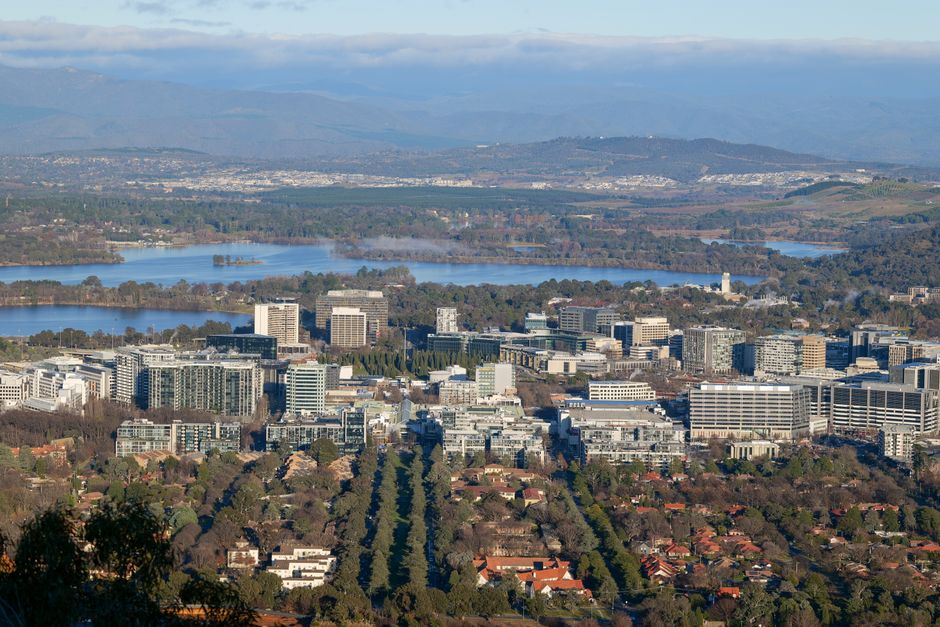
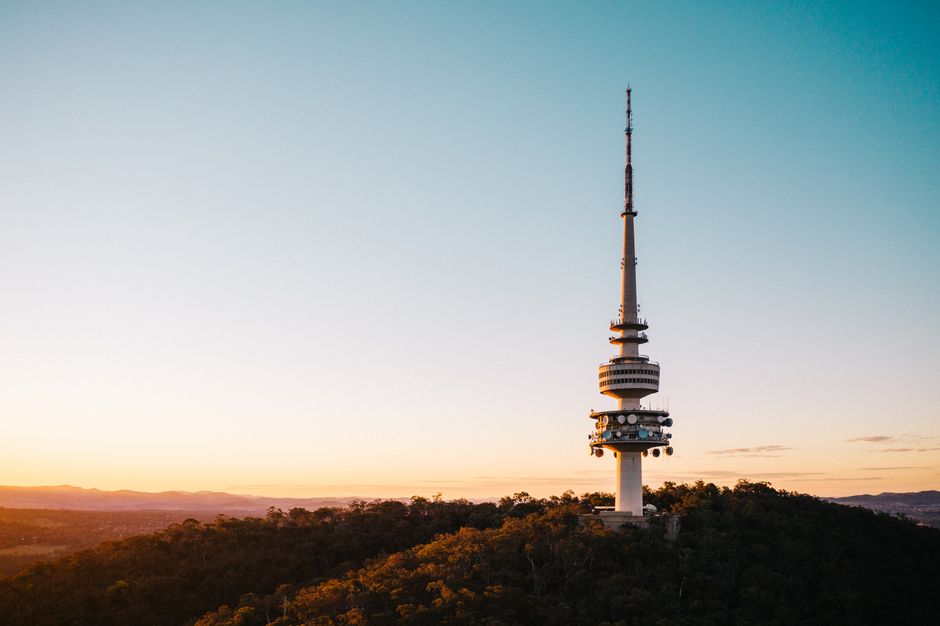
For Sarah Chen, a policy analyst who spent seven years commuting between Civic and her home in Gungahlin, the shift to hybrid work meant reclaiming nearly five hours each week. Today, she works three days from a coworking space on Lonsdale Street in Braddon, splitting her week between client meetings downtown and focused work sessions closer to home. "I'm actually present for school pickup now," she says. "That changes everything about how you live in Canberra."
Chen's experience reflects a broader transformation reshaping how Canberrans organise their working lives. The Australian Bureau of Statistics reports that remote work participation in the ACT reached 34% by mid-2025—well above the national average of 28%—driven largely by Canberra's concentration of knowledge-work sectors including defence technology, policy analysis, and software development.
The infrastructure supporting this shift has evolved rapidly. Spaces like Collect in Braddon and The Common in Fyshwick now offer flexible membership models starting at $250 monthly for occasional use, undercutting traditional CBD office leases. These venues aren't merely desks; they've become social anchors. The Collect's Thursday evening networking events have spawned collaborations between contractors who might never have crossed paths in siloed corporate environments.
The technology enabling this shift—video conferencing platforms, asynchronous collaboration tools, and distributed project management software—has eroded the geographic lock-in that previously bound workers to Civic's office towers. A graphic designer in Woden can now pitch to clients in Sydney without relocating. A software engineer in Page can lead a team across three states from her kitchen table.
But the change cuts deeper than logistics. Urban planners and sociologists note that distributed work is reshaping Canberra's neighbourhoods themselves. Suburbs like Belconnen and Weston Creek, traditionally dormitory communities, are experiencing renewed foot traffic during business hours—locals working from home or nearby coworking facilities are patronising cafes and local services at times previously dominated by retirees. The "lost lunch hour" spent commuting has shifted back into local economies.
Yet challenges persist. Canberra's digital divide means that reliable NBN access remains uneven across suburbs, creating pockets of exclusion. Workers with caring responsibilities—still disproportionately women—report that flexible work can blur boundaries between professional and personal life.
As AI and automation reshape employment itself, the infrastructure supporting remote and hybrid work may prove essential to Canberra's ability to retain talent and nurture new industries beyond government. For now, though, for thousands of Canberrans like Chen, the shift is personal: more time at home, stronger local communities, and a city that finally works for how people actually live.
This article was compiled by AI and screened before publishing. See our editorial standards.