This article was generated by AI from the linked public sources. The Daily Canberra is independently owned and covers Canberra news free from advertiser or sponsor influence. Read our editorial standards →
Canberra's youth sport landscape is experiencing a measurable surge. New participation data compiled by the ACT Sports Commission shows that grassroots club memberships among children aged 5–17 have climbed 23 per cent since 2021, with nearly 34,000 young athletes now registered across the territory. On the surface, it's an encouraging story. Dig deeper, though, and the numbers tell a more nuanced tale about how our city's fitness culture is evolving—and where inequities persist.
The data reveals striking geographic disparities. Inner north suburbs like Dickson and O'Connor, home to the Dickson Football Club and Canberra Rowing Club's satellite programs, show participation rates above 45 per cent among school-age children. By contrast, outer suburbs such as Bonython and Gungahlin, despite growing populations, hover around 18 per cent. Transport remains a barrier; families without easy access to venues along the Lake George circuit or near the Canberra Stadium precinct face logistical hurdles that more central families simply don't.
The sport breakdown is equally telling. Team sports—particularly Australian Rules Football, netball, and rugby league—dominate, accounting for 61 per cent of registrations. Individual pursuits like swimming, athletics, and martial arts make up the remainder, suggesting Canberra's grassroots culture still privileges the traditional codes. Yet swimming participation has grown faster than any other category, up 34 per cent year-on-year, likely reflecting parental investment in water safety and year-round facility access through the Canberra Olympic Pool and community centres.
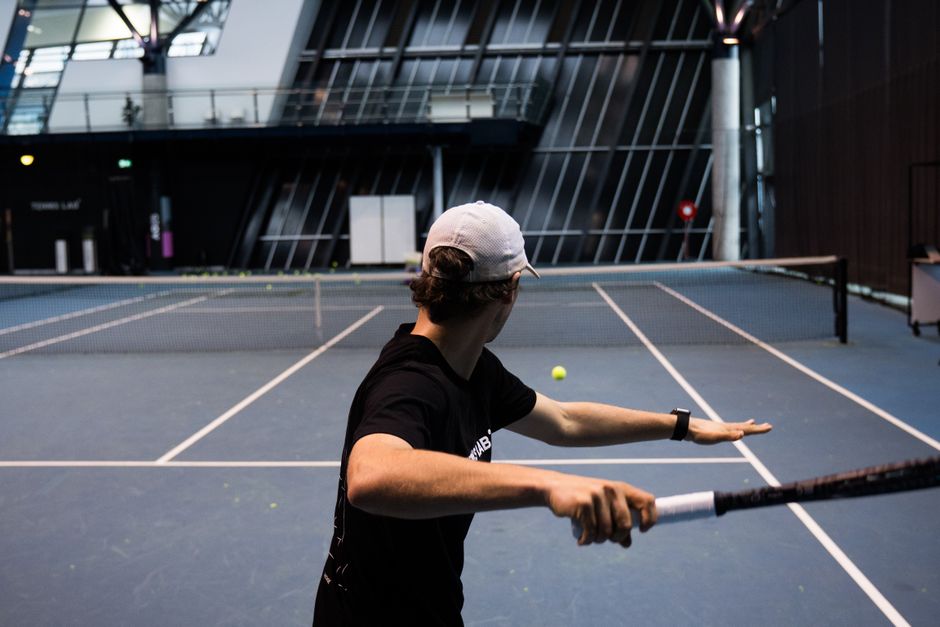
Cost data paints another picture. Average annual membership fees range from $120 for community swimming clubs to $450 for elite junior tennis academies. While grants and subsidies help, 28 per cent of families surveyed cited financial barriers as a reason for non-participation. The ACT's median household income sits comfortably above the national average, yet postcodes in Tuggeranong and south Belconnen show measurably lower uptake, suggesting affordability remains a real issue even in relatively affluent Canberra.
What's most encouraging is the recent push by local organisations to address these gaps. Clubs across Woden Valley and Gungahlin have expanded evening and weekend sessions, and several have introduced sliding-scale fees. The Canberra Youth Sport Alliance has begun coordinated outreach, aiming to lift participation in underrepresented suburbs by 15 per cent within two years.
The numbers suggest Canberra's fitness culture is maturing—more inclusive, more diverse in its offerings, yet still unevenly distributed. Addressing that inequality should be our next priority.
This article was compiled by AI from the sources linked above and screened before publishing. See our editorial standards.
Covering sport in Canberra. This article was generated by AI from the linked sources and was not reviewed by a human editor before publishing. See our editorial standards.