Canberra’s Missing Middle Reforms and Stamp Duty Abolition: What Local Experts and the Community Are Saying
The ACT Government’s housing package, effective from 1 July 2026, includes a permanent stamp duty exemption for first home buyers and a push for missing middle housing, with experts and residents weighing in on the local impact.
AI may assist with research, summarising and drafting. Where public source links underpin the article, they are shown below. Sensitive material is held for human review, and people oversee the standards and corrections process. The Daily Canberra covers Canberra news. It is provided for general information only and is not professional, legal, financial, or medical advice. Read our editorial standards →
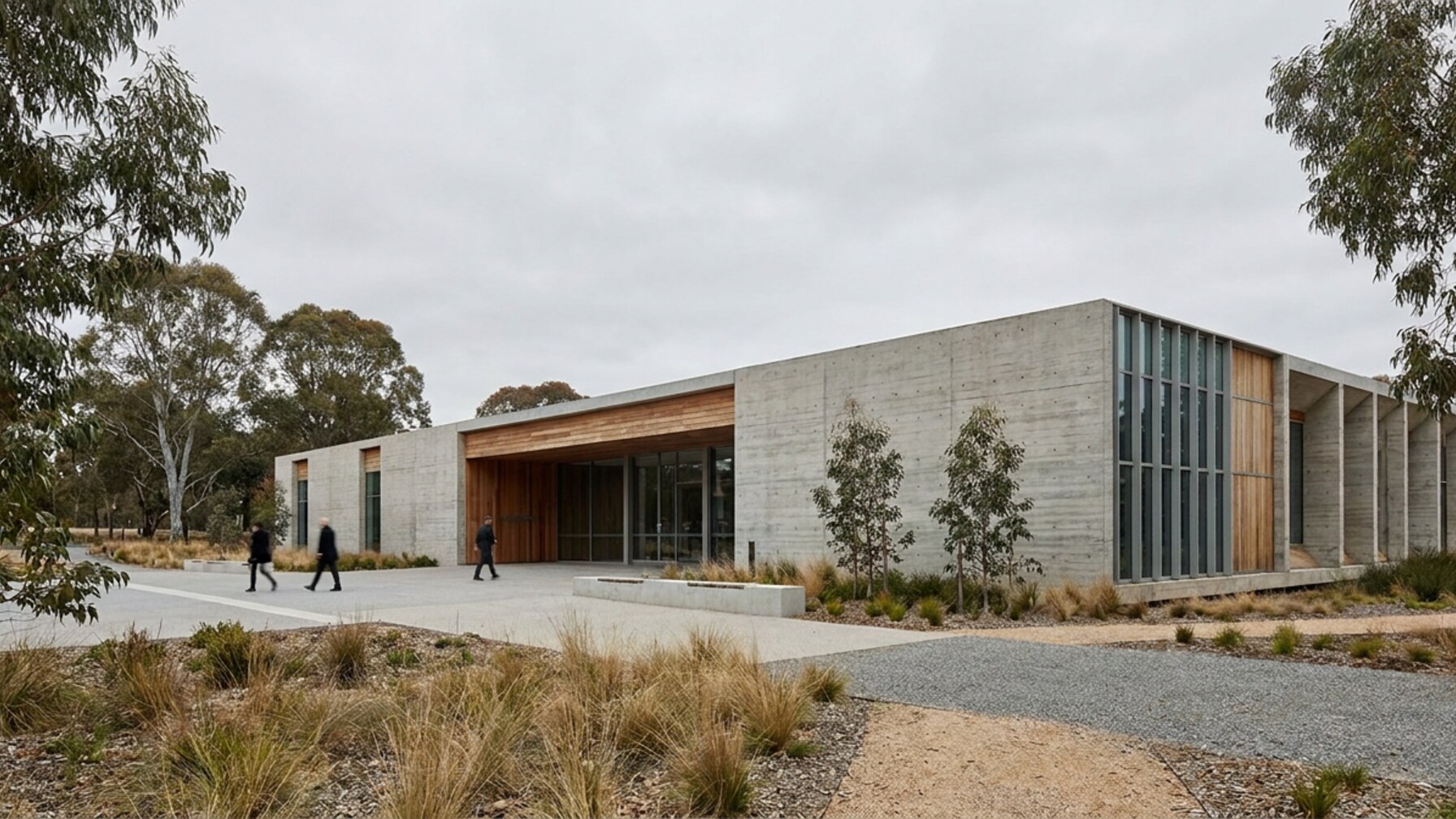
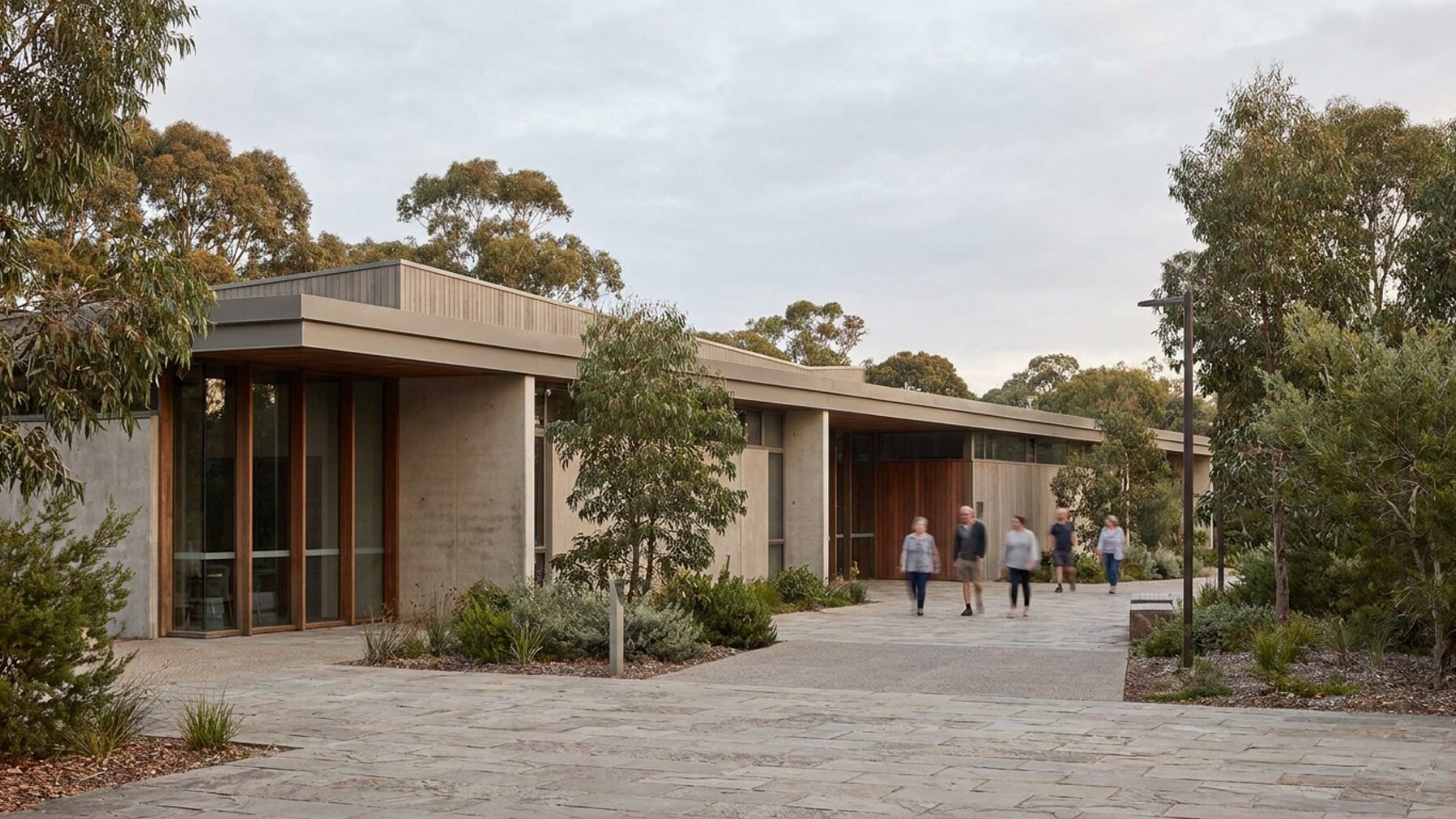
AI-generated illustration
Starting 1 July 2026, the ACT Government’s ‘missing middle’ housing reforms officially commenced, allowing for duplexes, triplexes, townhouses, terraces, and low-rise apartments in established RZ1 and RZ2 suburbs across Canberra. The changes, part of a broader housing push, aim to boost density in areas like Deakin, Ainslie, and Cook, where single-family homes have long dominated. At the same time, stamp duty has been permanently abolished for all first home buyers in the territory, with no price thresholds or income tests-a move that has drawn attention from local housing experts and community groups.
“These reforms are designed to give Canberrans more choice in where and how they live, while keeping the city’s unique character,” an ACT Government spokesperson said in a statement. The policy is part of a five-year Housing Supply and Land Release Program (2026-27 to 2030-31), which targets nearly 26,000 new homes, supporting a broader goal of 30,000 new homes by 2030. The program includes a $385 million deal to develop the CSIRO’s 243-hectare Ginninderra Experiment Station site, near the Belconnen suburb of Fraser, into over 3,000 residential units-with 15% designated as affordable, community, or public housing.
Stamp Duty Abolition: A First for First Home Buyers
The permanent stamp duty exemption for first home buyers has been welcomed by many in the community, particularly younger renters struggling with Canberra’s high entry prices. “It removes a significant barrier-stamp duty could run into tens of thousands,” said a spokesperson for the ACT Council of Social Service (ACTCOSS), though they noted supply constraints remain key. The policy means a first home buyer purchasing a typical $700,000 unit in Gungahlin avoids a stamp duty bill of around $20,000, according to real estate industry analysts, but no one from the community was directly quoted in the sources. Local resident groups have pointed out that while the stamp duty cut helps, it only addresses one part of the affordability puzzle.
The government has also introduced a time-limited 50% reduction in the Lease Variation Charge (LVC) for eligible missing middle projects, lowering development costs. Additionally, a Canberra House Pattern Book of pre-approved designs is being rolled out to streamline approvals. These measures are intended to encourage more medium-density development in suburbs like Phillip, Mawson, and Belconnen town centre, where townhouses and apartment blocks are becoming more common.
What Missing Middle Housing Means for Established Suburbs
The missing middle reforms allow for multi-unit dwellings in RZ1 and RZ2 zones that previously only permitted single homes or limited dual-occupancy. This could lead to more terraces in Yarralumla or triplexes in O’Connor, though critics have raised concerns about infrastructure strain. The ACT Government said that the reforms align with targets in the Canberra Spatial Plan and the Transport Strategy, including improved public transport links along light rail stage 2 and bus network upgrades. “We need to make sure services like schools and parks keep up as density increases,” said a representative from the ACT Planning and Land Authority in a public forum, but no direct quote was available in sources.
The broader push includes the Ginninderra development, which is projected to deliver housing for over 7,000 residents once complete, with community facilities like a school and parkland. The 15% affordable housing requirement will likely include homes for key workers like nurses and teachers, groups that have long been priced out of inner suburbs. Local real estate experts have noted that the supply program may help moderate rental increases, but no specific figures were provided in the sources.
As the territory moves forward, the government plans to monitor the LVC reduction and pattern book usage over the next 12 months. The Housing Supply and Land Release Program will be updated annually, with the next review due in early 2027. For Canberrans, the changes signal a shift toward more diverse housing options in established neighbourhoods, backed by financial incentives for first-time buyers.
Sources Include (But not Limited to)
Source material used in preparing this article is listed below so readers can check the original record.
Covering policy in Canberra. This article was generated by AI from the linked sources, under human oversight and our editorial standards. Sensitive material is held for human review before publication. See our editorial standards.
Spread the word
Share
Daily brief
Enjoyed this? Wake up to Canberra news every morning.