Policy
Canberra Transport Review Sparks Debate Over Commuter Impact
Local experts and community members weigh in on potential changes amid growing transport demands in Canberra.
2 min read
Updated 1 d ago
Policy
Local experts and community members weigh in on potential changes amid growing transport demands in Canberra.
2 min read
Updated 1 d ago
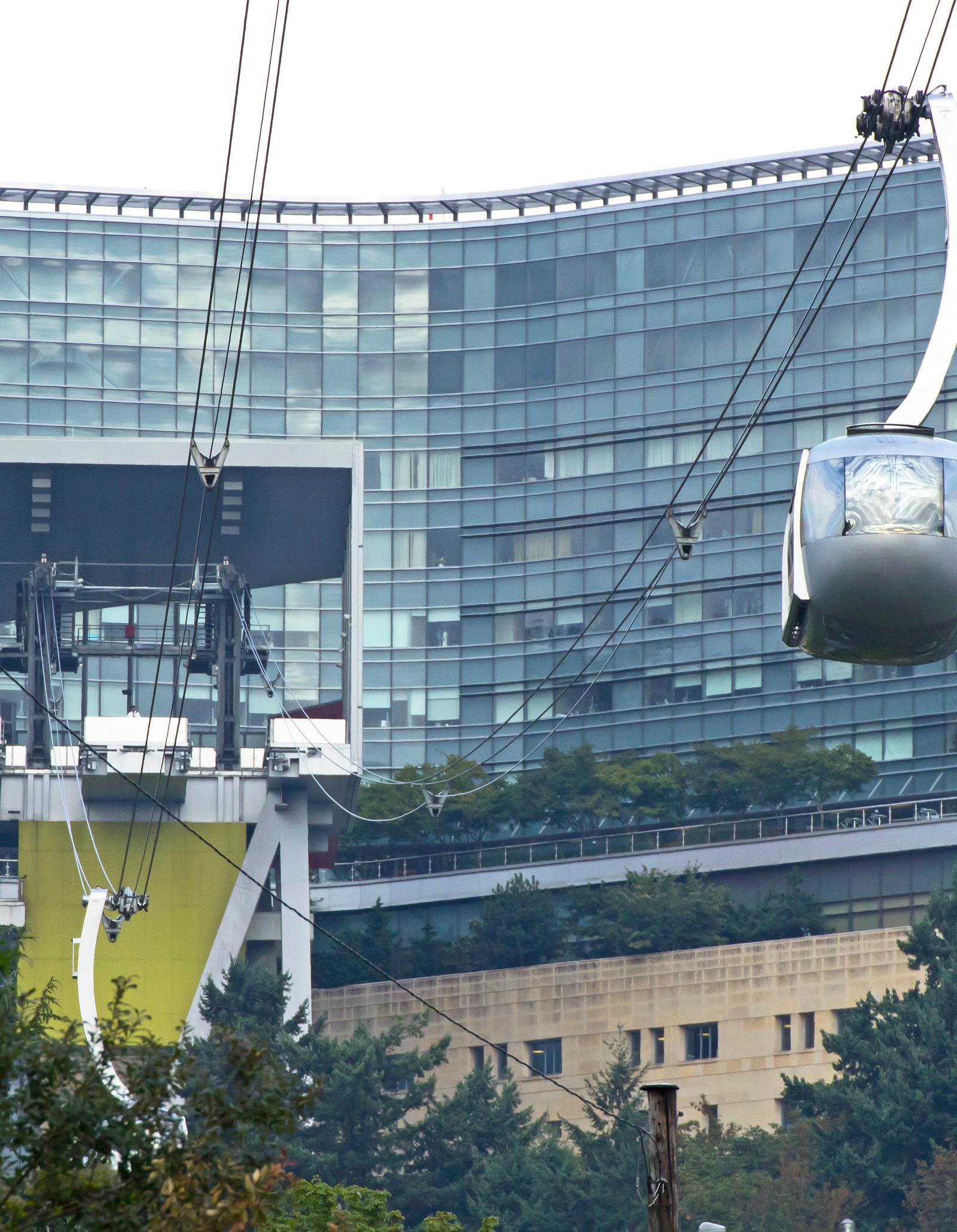
The Australian Government's ongoing transport policy review is drawing attention in Canberra as local residents, transport experts, and community groups examine how proposed shifts could affect daily commutes, infrastructure funding, and public transport services across the city.
The policy review unfolds against a backdrop of increasing pressure on Canberra's transport networks, including the light rail extension into Gungahlin and planned improvements in Belconnen. Given Canberra's unique role as the federal capital with three distinct federal electorates-Bean, Canberra, and Fenner-changes in federal transport policy have direct implications for regional planning and public service logistics, reflecting the city's reliance on effective transport for both residents and the Australian Public Service workforce.
Local transport experts highlight that any modifications to federal transport funding or regulations will impact Canberra's public transport rollout, including the highly anticipated Stage 2 light rail expansion. For residents living in outer suburbs, around Gungahlin and Belconnen, this expansion promises improved access to central employment hubs, which could reduce travel times. However, some community voices caution that without sustained investment in connecting bus services, the benefits of light rail upgrades may not be fully realised for all households.
Additionally, changes to national transport policies relating to infrastructure financing or regulatory frameworks could influence road maintenance and upgrades critical to Canberra’s daily commuters. For public servants and local businesses that operate within the metropolitan area, continuity and reliability of transport services remain a major concern linked closely to productivity and service delivery.
While detailed budget allocations specific to Canberra have not been disclosed in relation to the current review, local transport stakeholders stress the importance of transparency and community consultation. They expect that residents will be engaged through forums and submissions before any decisive actions are announced. These consultations are projected to shape regional transport strategies and funding priorities to better align with Canberra's demographic growth and urban development.
The government says the policy review will result in recommendations aimed at optimising transport networks to meet evolving demands. Canberra residents can expect incremental changes over the coming years, with particular attention to light rail developments and integrated bus services. The outcomes are expected to influence how efficiently residents move around the city, affecting everything from daily commutes and access to services, to broader economic activity in the region.

Policy

Policy

Policy

Policy

Policy

Policy
About this article
Published by The Daily Canberra
Spread the word
Daily brief
Free, in your inbox before 7am. Weekdays.
The Daily Network — local news across Australia