Canberra planning decisions compared with approaches in other cities
Canberra residents experience planning choices that shape housing supply, transport links and daily commutes in patterns distinct from those seen in Sydney and Melbourne.
AI may assist with research, summarising and drafting. Where public source links underpin the article, they are shown below. Sensitive material is held for human review, and people oversee the standards and corrections process. The Daily Canberra covers Canberra news. It is provided for general information only and is not professional, legal, financial, or medical advice. Read our editorial standards →
AI-generated illustration
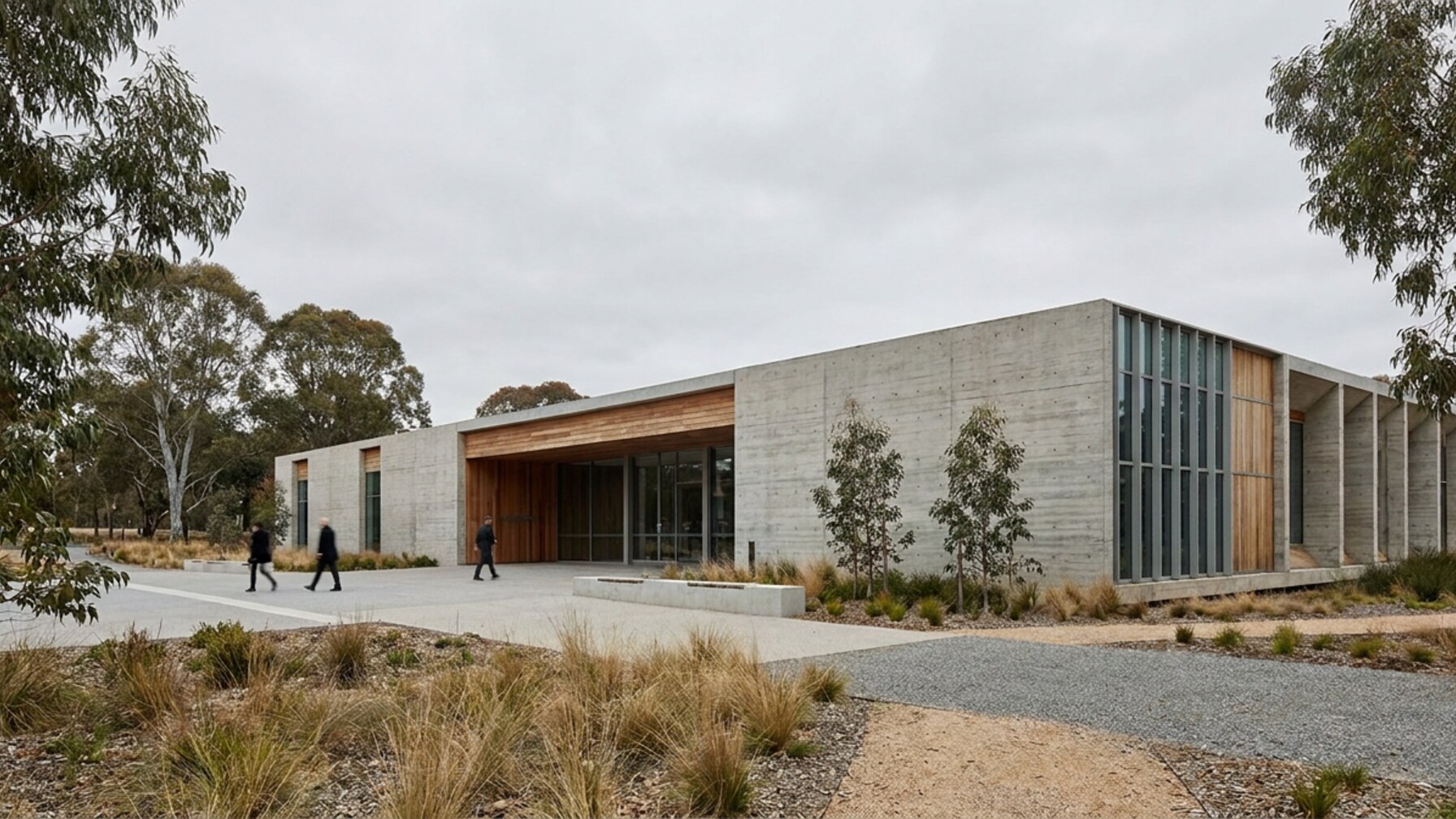
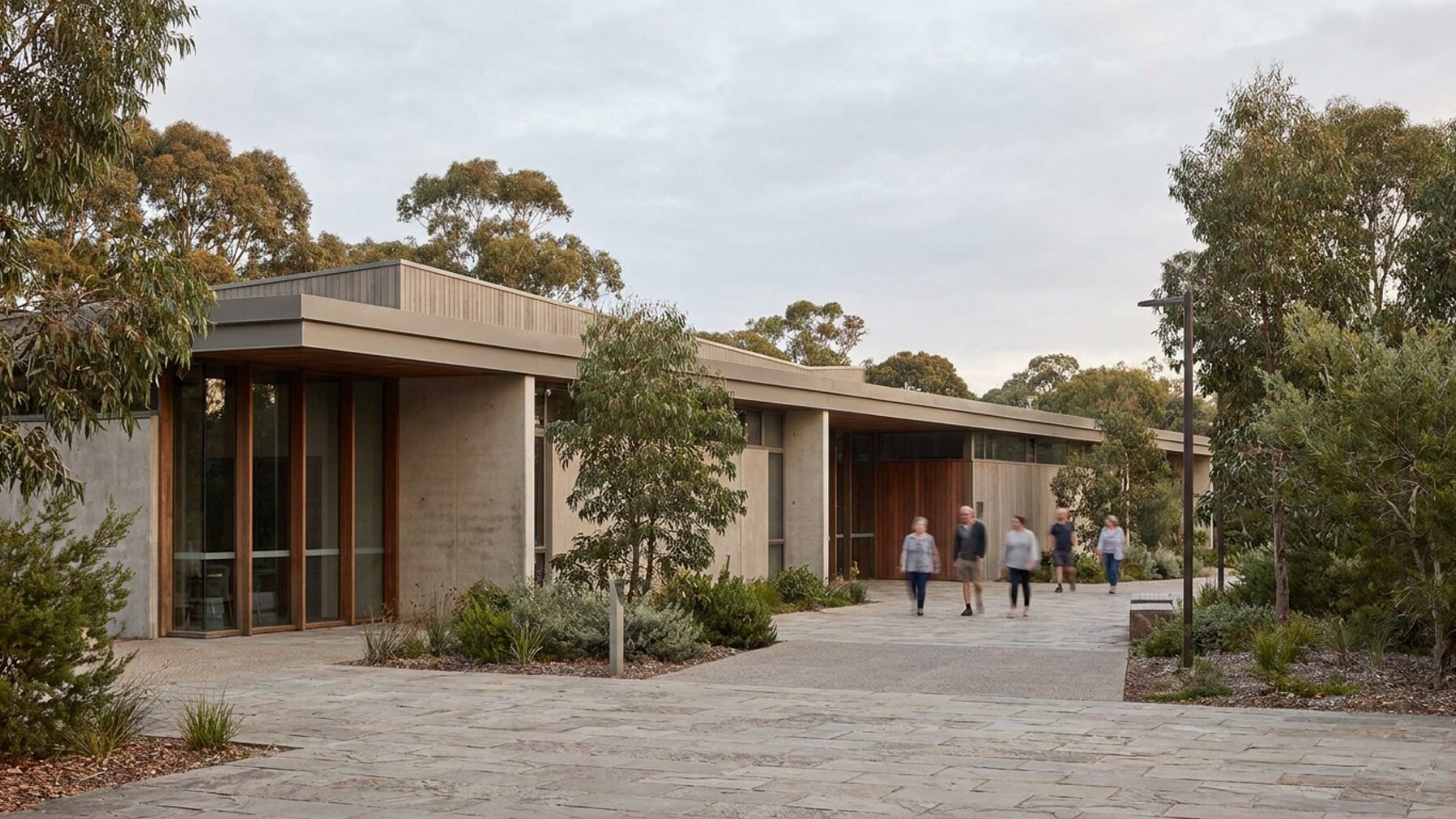
Local planning decisions in Canberra determine where new homes, roads and public facilities are placed across suburbs such as Gungahlin and Belconnen. These choices affect how residents reach workplaces in the Australian Public Service and how families access schools and shops. In contrast, larger capitals often prioritise higher density targets near existing rail corridors.
Canberra functions as the national capital with three federal electorates and a concentration of government agencies. Planning rules therefore intersect directly with federal budget outcomes and staffing levels in the Australian Public Service. Neighbouring cities apply separate state legislation that can produce faster rezoning processes or different height limits.
Effects on residents and services
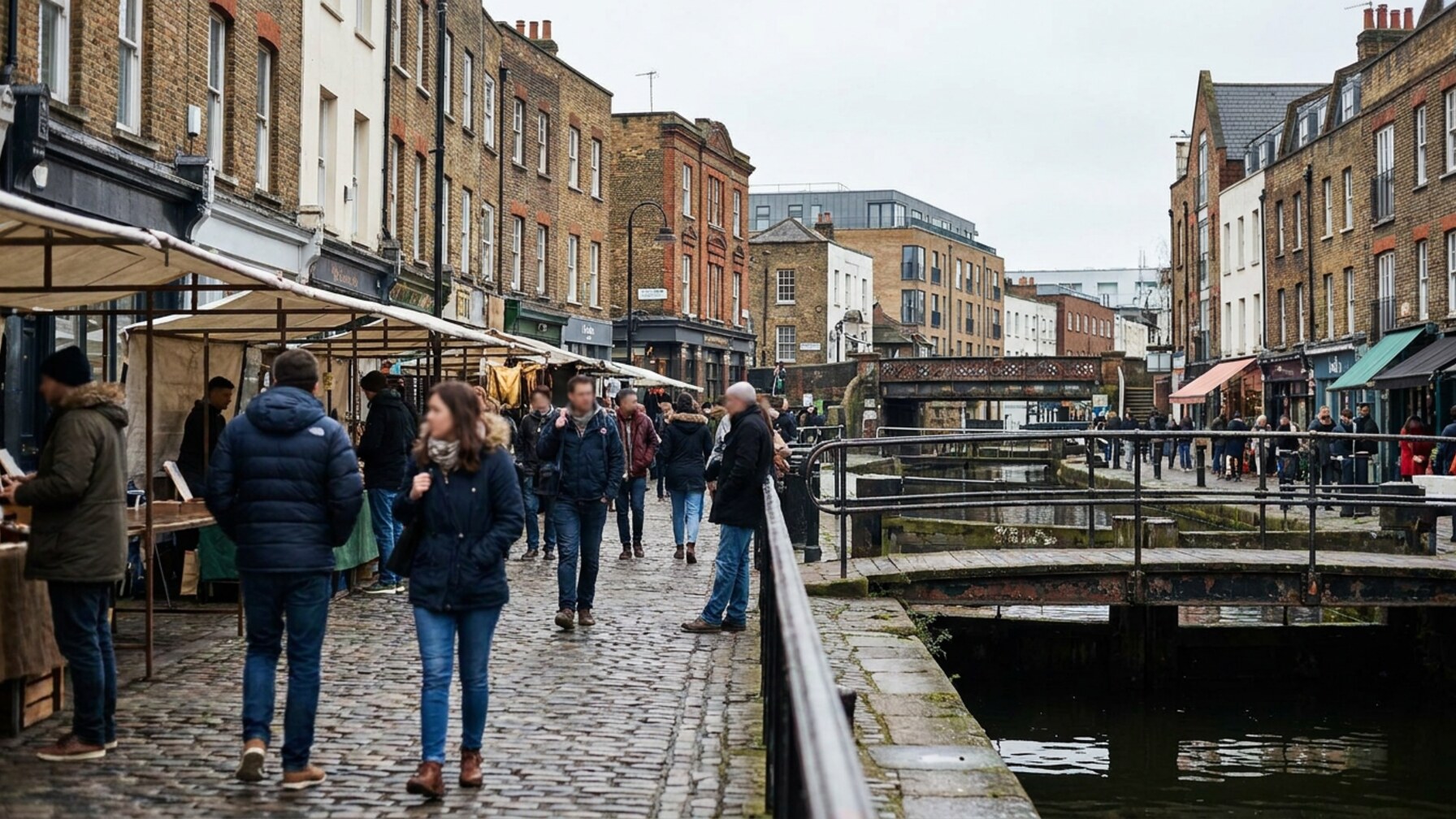
Residents notice changes when planning approvals alter bus routes or light rail alignments. In Canberra the single territory government manages both local and metropolitan functions, which can streamline some approvals yet limit options for separate municipal input. Sydney and Melbourne divide responsibilities across multiple councils, sometimes resulting in varied neighbourhood outcomes within the same urban area.
Daily costs for households can shift when planning decisions influence the location of new retail centres or community facilities. Canberra families may travel longer distances to reach certain services if development is concentrated in designated corridors. Other cities sometimes disperse growth more widely, producing different patterns of traffic and parking demand.
Forward projections and comparisons
The government says the policy will continue to guide development through existing territory plans. Expected outcomes include further integration of residential growth with transport infrastructure already under construction. Comparisons with Brisbane and Perth show Canberra maintaining lower overall population density targets while still expanding employment zones around existing federal offices.
Next steps involve continued assessment of development applications against current territory planning rules. Residents can track individual proposals through public exhibition processes that list specific addresses and projected dwelling numbers.
Covering policy in Canberra. This article was generated by AI, under human oversight and our editorial standards. Sensitive material is held for human review before publication. See our editorial standards.
Spread the word
Share
Daily brief
Enjoyed this? Wake up to Canberra news every morning.