News
Understanding Canberra’s Economic Moment: How Past Decisions Shape Today’s Outlook
A look at the background context affecting Canberra’s economy amid public service dynamics and urban development debates.
3 min read
Updated 2 d ago
News
A look at the background context affecting Canberra’s economy amid public service dynamics and urban development debates.
3 min read
Updated 2 d ago
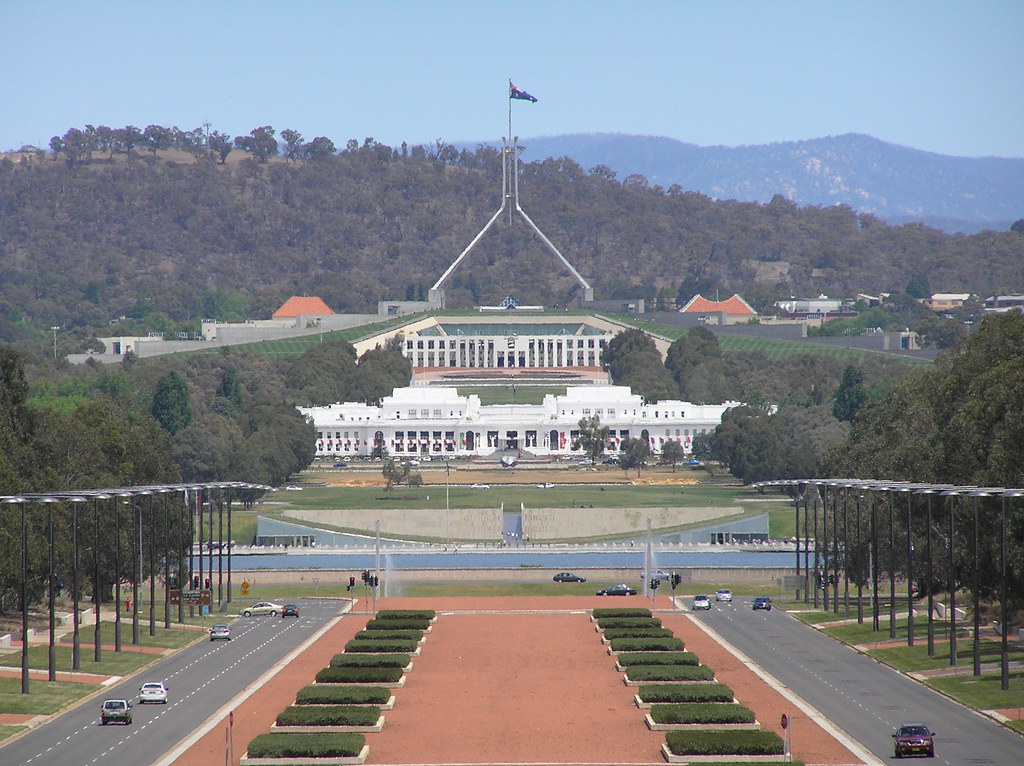
Canberra’s local economy is deeply intertwined with its role as Australia’s federal government city and the surrounding public service workforce. This connection frames much of the city’s current economic status, influencing everything from housing affordability to infrastructure development.
The federal government’s presence in Canberra means the local economy is especially sensitive to shifts in public sector employment and policy decisions. With the Australian Capital Territory’s Labor government overseeing urban growth areas such as Gungahlin and Belconnen, economic planning often reflects a focus on supporting the public service population. This includes responding to pressures on housing affordability-an increasingly visible issue for public servants in Canberra’s expanding suburbs.
Recent debates surrounding stage 2 of the city’s light rail network highlight ongoing tensions in balancing transport infrastructure investment with maintaining affordability and quality of life. How the government and city planners address these concerns will have long-term implications for the local economic environment.
Housing affordability remains an underlying challenge. Although not quantified in recent reports, anecdotal evidence from local community forums and advocacy groups confirms the strain on middle-income public servants as property prices edge upward in key suburbs like Gungahlin. This trend complicates workforce retention and recruitment for critical public sector roles.
The presence of major research institutions, including Australian National University and the University of Canberra, adds further complexity. These institutions not only contribute to the city’s knowledge economy but also affect housing demand, cultural offerings, and retail services. Their role in fostering innovation and attracting skilled residents has become a strategic component in Canberra’s economic planning.
Additionally, ongoing federal policies impacting visa pricing and international student numbers have secondary effects. International education within Canberra interacts with housing, retail, and service sectors. Changes in visa costs and policy indirectly influence economic stability in these areas by affecting student population size and spending patterns.
Local infrastructure investments, such as debates over light rail Stage 2, affect accessibility and urban growth trajectories. Public responses indicate concerns that delayed or contentious projects may slow economic momentum or increase disparities between established and emerging neighborhoods.
Canberra’s economy will likely continue to hinge on the federal government’s footprint and its policies, as well as ACT government's urban development decisions. Practical steps for residents and policymakers include advocating for balanced housing solutions that accommodate income levels typical of the public service, while encouraging infrastructure investments supporting sustainable growth.
Stakeholders should monitor urban growth area projects and public transport developments closely, given their potential to substantially impact commute times, lifestyle, and economic participation. Maintaining the city’s appeal to skilled workers and international students alike will require ongoing adjustments to housing, amenity, and employment opportunities aligned with Canberra’s unique economic fabric.
News
News

News

News
News

News
About this article
Published by The Daily Canberra
Spread the word
Daily brief
Free, in your inbox before 7am. Weekdays.
The Daily Network — local news across Australia