AI may assist with research, summarising and drafting. Where public source links underpin the article, they are shown below. Sensitive material is held for human review, and people oversee the standards and corrections process. The Daily Canberra covers Canberra news. It is provided for general information only and is not professional, legal, financial, or medical advice. Read our editorial standards →
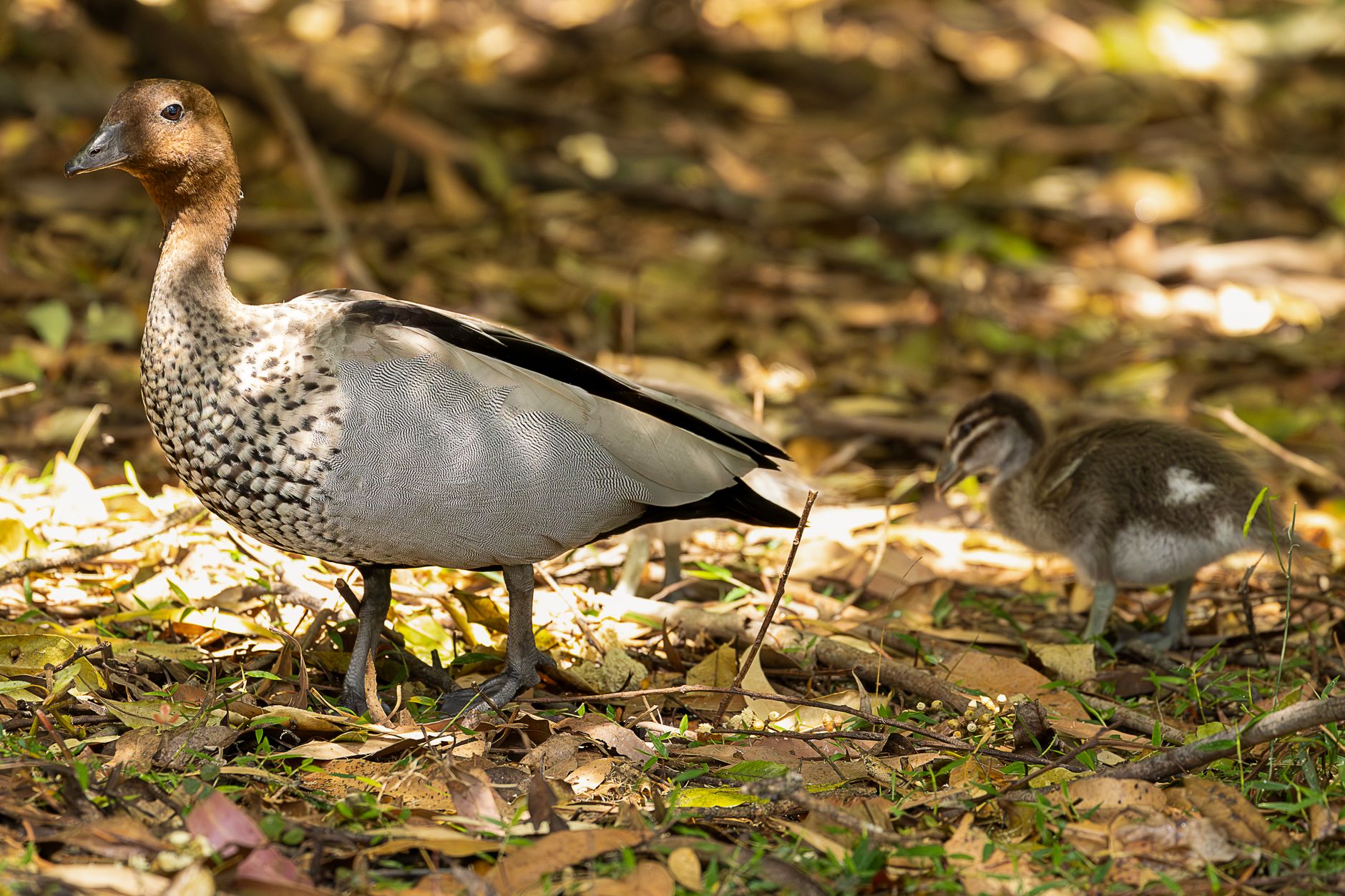
Australian Wood Ducks are commonly spotted walking on grass near water and in open grassy places such as parks, farms, wetlands and sports fields. In Canberra-style urban habitats these native ducks appear regularly in human-altered environments including urban parks and other grassy areas near freshwater.
Why the crossings matter to local drivers
Wood duck ducklings leave tree-hollow nests soon after hatching and follow their parents on foot. This behaviour means families are frequently seen crossing roads together in areas where grassy open spaces meet traffic routes. The pattern places the birds directly in the path of vehicles in neighbourhoods that contain parks and freshwater edges.
Practical steps for residents
When ducks with ducklings are on or near a road, wildlife groups advise people to slow down, stop if safe, and let them pass while keeping a safe distance. These actions reduce the chance of collisions and allow the family group to move without interference.
What to do if ducklings appear alone
If ducklings appear separated from their parents, wildlife rescue advice is to avoid handling them unless necessary and contact a wildlife rescuer or vet for guidance. This approach prevents unnecessary stress to the young birds and ensures any intervention follows established protocols from organisations that handle duck and duckling cases.
The combination of early nest departure and road use creates recurring situations for drivers in Canberra parks and nearby streets. Following the simple slowing and yielding steps helps maintain safe passage for the ducks while allowing normal traffic flow once the family has cleared the area. Residents who notice repeated crossings near particular parks or freshwater spots can keep the same safe-distance approach in mind on future trips through those locations.
Sources Include (But not Limited to)
Source material used in preparing this article is listed below so readers can check the original record.
Covering news in Canberra. This article was generated by AI from the linked sources, under human oversight and our editorial standards. Sensitive material is held for human review before publication. See our editorial standards.
Spread the word
Share
Daily brief
Enjoyed this? Wake up to Canberra news every morning.