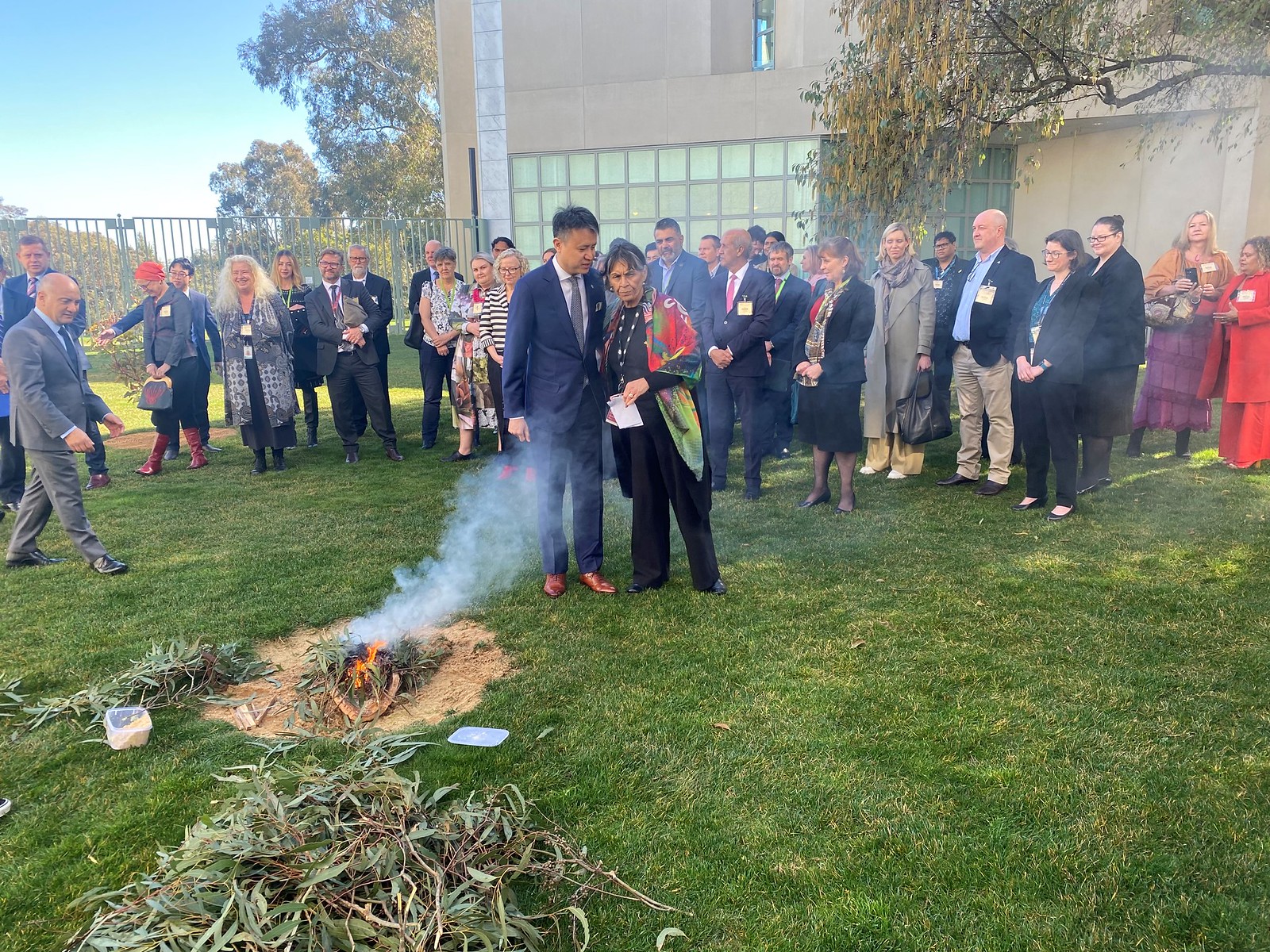
The Canberra community is facing important updates in emergency services, a development that impacts how residents access crucial support during crises. While specific new measures have not been publicly detailed today, the evolving landscape of emergency response requires local attention due to Canberra’s unique workforce and urban composition.
Why these changes matter now
In Australia’s federal capital, where a significant proportion of the population works in public service and resides in rapidly growing suburbs like Gungahlin and Belconnen, emergency services form the backbone of public safety. The interplay between urban growth and emergency response capacity directly influences how timely and effective aid can be delivered.
The potential pressure on services from population growth and infrastructure developments-such as continuing debates over light rail stage 2 extensions-makes existing and future emergency services an issue of immediate communal interest. Residents’ confidence in being protected during natural disasters, accidents, or health emergencies depends on the readiness and responsiveness of these systems.
Local impact on residents and community
Emergency service provisions in Canberra extend beyond immediate life-saving procedures to community support structures that secure well-being in neighbourhoods and workplaces. With major research institutions such as ANU and UC, alongside government departments housing large workforces, coordination and communication channels between services and institutions are pivotal.
The influence reaches suburbs with family homes and older populations alike, where factors such as housing affordability for public servants and longer commutes underscore the importance of accessible emergency response facilities. Rapid development in areas like Gungahlin requires emergency services to adapt quickly to changing demographics while maintaining high-quality service delivery.
Although precise data on service changes isn’t yet available, qualitative evidence from community engagement and government planning shows that the emergency sector remains a priority amid Canberra’s urban growth challenges. These efforts include ensuring that ambulance, fire, and medical services keep pace with the demands created by both population increases and infrastructure changes.
How residents can stay prepared
In the absence of immediate, detailed announcements, local residents are encouraged to stay informed through official ACT government channels and emergency services communications. Understanding evacuation procedures, emergency contact numbers, and maintaining basic preparedness supplies remain vital steps.
Community groups and neighbour networks also play a valuable role in reinforcing emergency readiness, especially in rapidly evolving suburban areas. Canberra's mix of public servants, students, and families benefits from collective awareness and proactive planning as the city navigates upcoming changes.
Ultimately, while concrete updates are forthcoming, the critical takeaway is that Canberra’s residents hold an essential stake in the evolution of emergency services, underscoring a shared responsibility for safety and resilience.
Sources Include (But not Limited to)
Source material used in preparing this article is listed below so readers can check the original record.