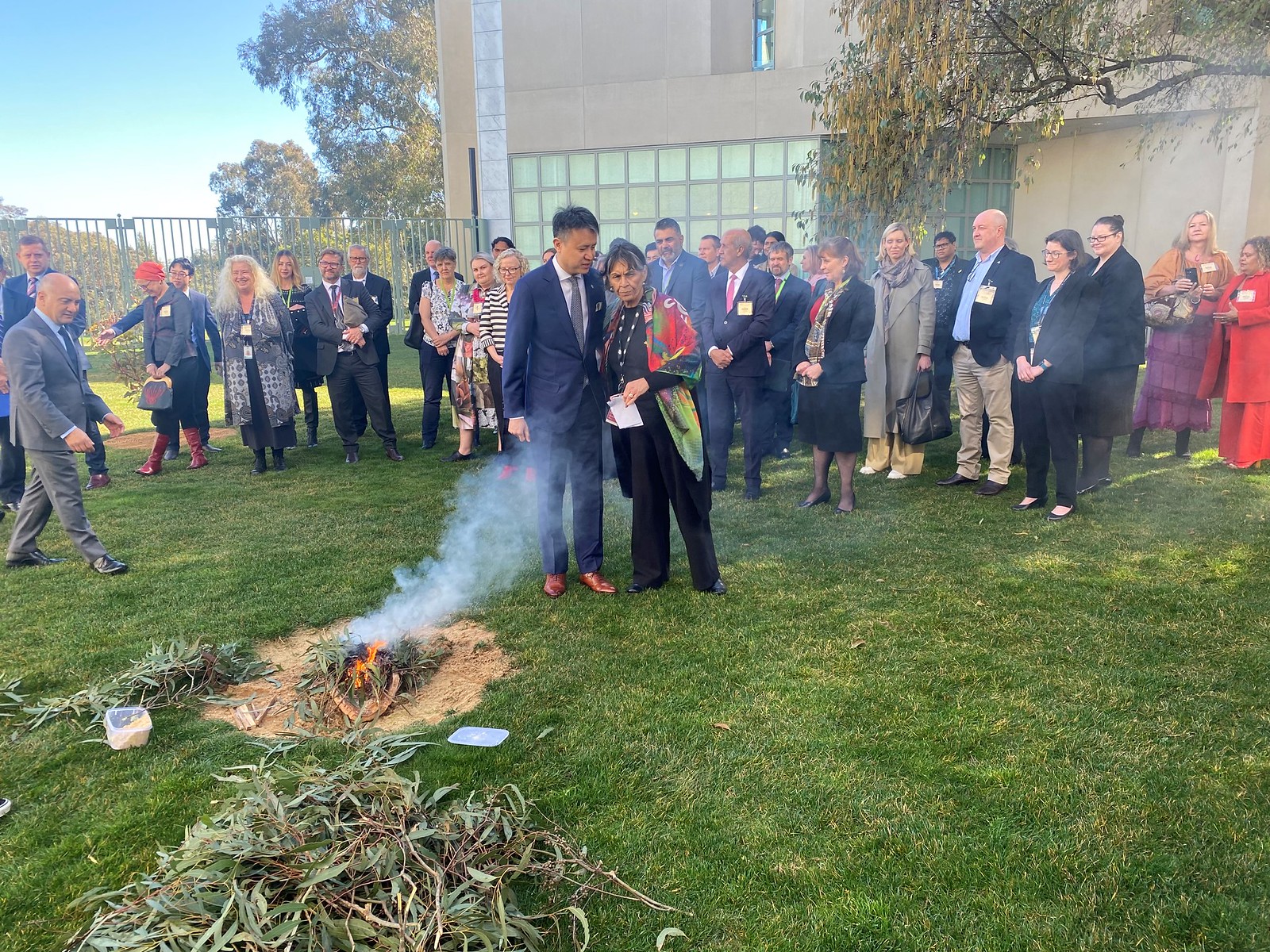
This week in Canberra, emergency services have seen steady engagement with the community and continued efforts to modernise response capabilities amid evolving safety challenges. While there were no major incident escalations reported, ongoing reviews and public consultation have shaped the local approach to readiness and resource allocation.
Why Emergency Services Matter Now in Canberra
Canberra’s emergency services play a vital role in safeguarding a population that includes a large public sector workforce and several growing residential suburbs such as Gungahlin and Belconnen. The city's continued expansion, alongside climate pressures nationally, means that emergency preparedness remains a central concern for policymakers and residents alike. Planning and resourcing must keep pace with the city’s development and changing risk landscape.
Within this context, the ACT government continues to focus on integrating technological advances and improving inter-agency cooperation to enhance response times and crisis outcomes for emergencies ranging from bushfires to urban incidents. These efforts take on additional significance given Canberra's status as the nation’s capital and the presence of critical institutions such as the Australian National University (ANU) and University of Canberra (UC).
Local Initiatives and Community Focus
In recent days, ACT Emergency Services have emphasised community engagement programs aimed at increasing public awareness and encouraging residents to prepare for emergencies proactively. Although the latest news does not indicate new major deployments or crises, routine operational activities and training sessions continue across the region to maintain high readiness levels.
Key areas such as the newly developed precincts in Gungahlin and the established centres in Belconnen have seen outreach efforts, including workshops on emergency preparedness and information sessions coordinated with local neighbourhood groups and volunteer organisations. These initiatives help ensure the local population knows the risks and how to respond safely to different emergency scenarios.
Further, technology upgrades have been a continuous focus, with discussions ongoing about better integration between dispatch systems and real-time data to support frontline responders. These improvements aim to deliver more efficient coordination and resource deployment in future emergencies.
Evidence and Practical Outlook
While no new statistical releases or specific investment figures were made public this week, qualitative observations suggest sustained operational funding and support for emergency services remain a priority for the ACT government. The emphasis on community readiness and technological enhancements reflects a strategic commitment in line with the city's growth and evolving risk exposure.
Residents are advised to stay informed through official ACT emergency services channels and participate in community information sessions when available. Preparedness at the individual and household level remains crucial, particularly during high-risk periods such as peak bushfire seasons or severe weather events.
Looking ahead, Canberra’s emergency services are expected to continue refining their strategies and expanding public engagement efforts. The focus on improving response capabilities and community resilience will persist as key priorities, ensuring the city is equipped to meet challenges as they arise.
Sources Include (But not Limited to)
Source material used in preparing this article is listed below so readers can check the original record.