Norfolk Island's coral reefs, among the southernmost subtropical reef systems in the Pacific, are now facing simultaneous pressure from coral disease, elevated sea temperatures linked to the 2023-24 El Niño event, and a dredging program approved by the Australian federal government for the island's Kingston pier precinct. The combination has alarmed marine scientists who have monitored the reefs for decades.
The timing matters. Coral disease outbreaks typically accelerate during thermal stress events, meaning reefs already weakened by warming water have less capacity to resist infection. Layering a sediment-heavy dredging operation on top of both threats is, in the view of reef ecologists, the worst possible sequence. Norfolk Island sits roughly 1,400 kilometres north-east of Sydney and falls under Commonwealth jurisdiction, meaning the decisions affecting its marine environment are made in Canberra, not on the island itself.
A Paper Trail That Runs Through the Capital
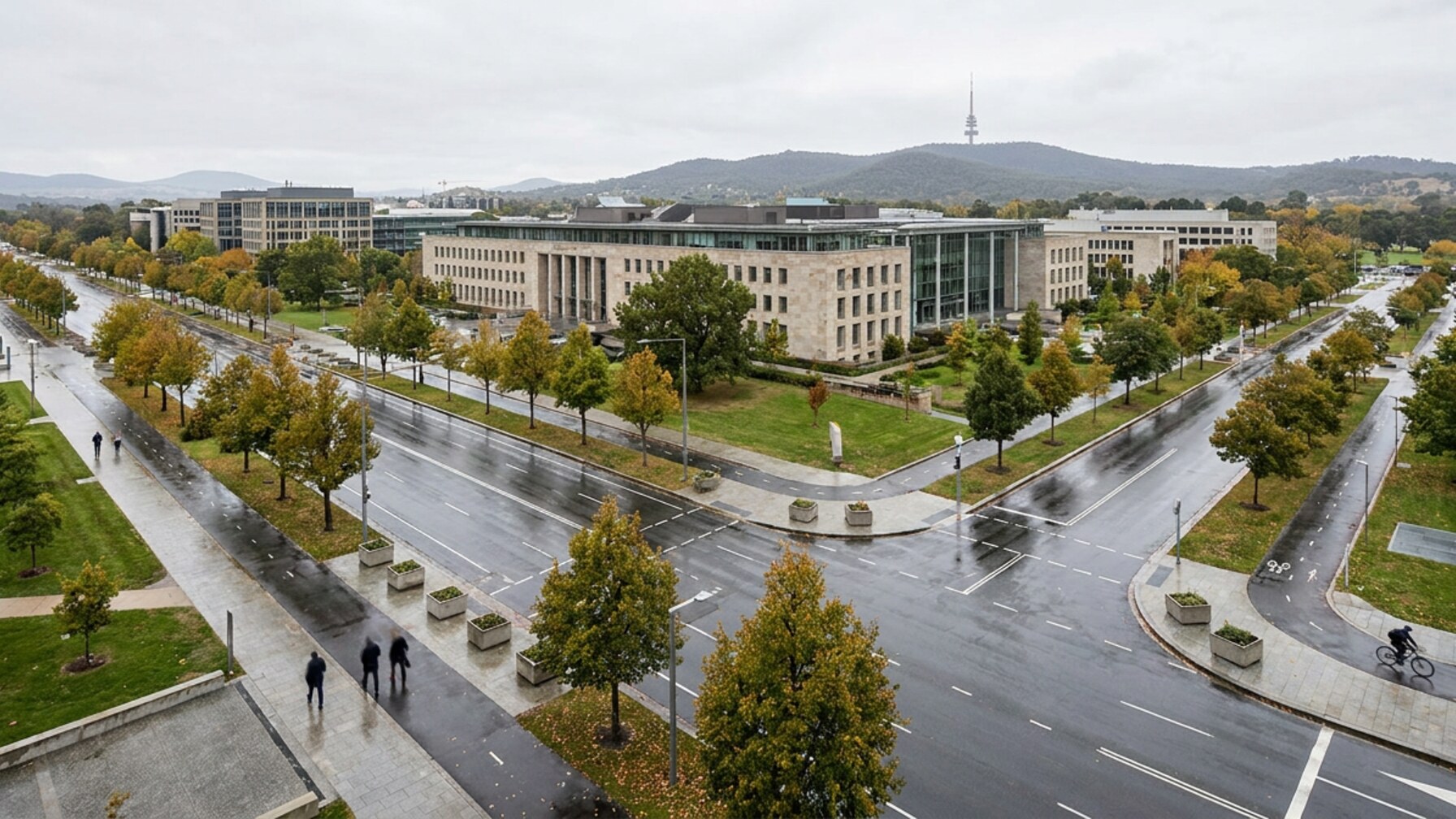
The federal government's approval authority over Norfolk Island was significantly expanded after the 2015 Norfolk Island Legislation Amendment Act, which wound back the island's self-governance arrangements and brought it firmly under the administrative umbrella of the Department of Infrastructure, Transport, Regional Development, Communications and the Arts. That department, headquartered at 111 Alinga Street in the Canberra CBD, has since held the primary levers over infrastructure decisions on the island, including port works.
The Australian Institute of Marine Science, which conducts reef monitoring work across Australia's external territories, is based in Townsville but maintains research partnerships with the Australian National University's Fenner School of Environment and Society, located on the ANU campus in Acton. Researchers at institutions like Fenner have contributed to the broader scientific literature on subtropical reef vulnerability, work that feeds into the environmental assessments that accompany major infrastructure approvals. Whether those assessments gave adequate weight to the concurrent disease and thermal stress pressures is now a question being raised publicly.
Norfolk Island's reef system is ecologically distinct. It hosts coral species not found on the Great Barrier Reef and supports fish populations that exist at the edge of their known range. The island's marine park, established under Commonwealth law, was meant to provide a protective framework, but marine park status does not automatically preclude approved infrastructure works within or adjacent to its boundaries.
El Niño's Long Shadow and What the Record Shows
The 2023-24 El Niño was classified by the Bureau of Meteorology as one of the strongest on record. Sea surface temperatures around Norfolk Island during that period exceeded long-term averages, stressing corals that had previously shown resilience compared to their tropical counterparts. Disease surveillance in subsequent months documented spreading lesions across reef structures that had been considered relatively healthy as recently as 2022.
The dredging approval, granted to facilitate upgraded berthing capacity for larger supply vessels, predates the most acute phase of the disease outbreak. That sequencing is central to the current controversy. Environmental conditions on the ground, or in this case underwater, shifted materially between the time the project's environmental impact documentation was completed and the time construction equipment was mobilised.
For Canberrans tracking this issue, the relevant oversight bodies are accessible and, in some cases, local. The Environment Protection and Biodiversity Conservation Act, the federal law under which the dredging was assessed, is administered by the Department of Climate Change, Energy, the Environment and Water, which has offices at 2 Constitution Avenue in the city. Formal representations about approved projects under the EPBC Act can be submitted through the department's public portal, and Senate committee inquiries into federal environmental decisions are another avenue that conservation groups have used historically to force re-examination of approvals.
The practical question now is whether the dredging timeline can be modified. Once sediment plumes are generated in proximity to already-stressed corals, the damage accumulates quickly and does not reverse on a human planning schedule. Environmental groups are expected to press the federal government for a works pause pending updated reef health assessments. The department has not yet indicated publicly whether it will commission new baseline surveys before works proceed further.
Sources Include (But not Limited to)
Source material used in preparing this article is listed below so readers can check the original record.