Thousands of duplicate images have accumulated inside the digital repositories used by ACT government agencies, local libraries and heritage organisations, and the problem is no longer just a technical headache for IT teams. For ordinary Canberrans trying to access planning records, heritage listings, community consultation documents and public service archives, the clutter is translating into broken search results, slower load times and, in some cases, the wrong photograph attached to the wrong property or person.
The issue has sharpened in 2026 as several high-profile Canberra digitisation projects hit their delivery phases at the same time. The ACT Heritage Library on Mildura Street in Fyshwick, which holds photographic records of Canberra's development since the 1910s, is midway through a multi-year digitisation drive. Meanwhile, the Australian National University's Noel Butlin Archives Centre in Acton has been uploading union and labour movement records. Both collections have flagged that without systematic duplicate-image detection and replacement, the long-term searchability of those holdings is compromised.
Why Duplicates Accumulate, And Why Canberra Has a Particular Exposure
Federal government cities generate unusual volumes of official photography. Every departmental restructure, every parliamentary committee hearing, every new policy launch produces imagery that gets uploaded, renamed, re-uploaded and eventually orphaned across multiple servers. Canberra's dominant public service workforce means those habits are deeply embedded. An image of the Woden Valley from 2003 might exist in sixteen slightly different file formats across four different agencies, none of them flagged as redundant.
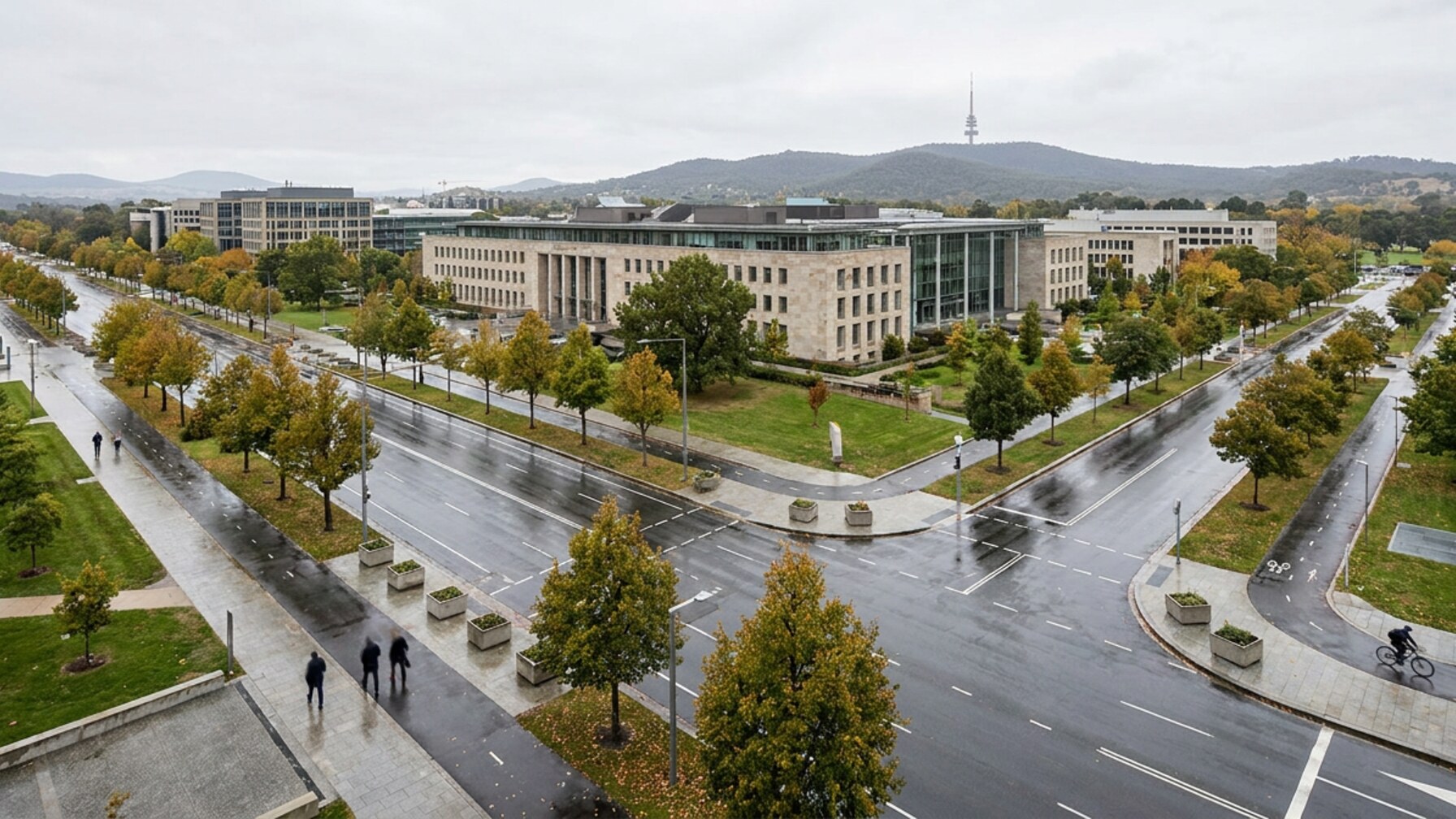
The consequences compound when agencies share platforms. Services like the ACT Planning portal on Dame Pattie Mabo Boulevard in the city centre pull imagery from multiple upstream repositories. A duplicate or incorrectly labelled photograph of a Gungahlin streetscape, for example, can appear against a planning application for a property in Belconnen, a confusion that has real legal and administrative weight for homeowners, developers and heritage advocates consulting those records.
The National Archives of Australia, headquartered at the Queen Victoria Terrace precinct in Parkes, has its own ongoing program to address duplicate and degraded digital assets inside its collection of more than 500 million pages of digitised records. The Archives has acknowledged publicly that digital preservation is not a set-and-forget exercise, and that active quality control, including duplicate identification and replacement, is a recurring operational cost, not a one-off project.
What Residents Can Actually Do Right Now
For Canberrans using public databases, the practical effect shows up most often when they submit Freedom of Information requests or search the ACT Government's spatial data portal. If an image attached to a heritage record looks wrong, a different building, a different street, a timestamp that doesn't match the document, that discrepancy is worth flagging directly to the relevant agency rather than assuming the record is authoritative.
Community organisations in Canberra also hold substantial photographic archives of their own. The Canberra Museum and Gallery in Civic Square, for instance, manages donated collections that sometimes overlap with holdings at the Noel Butlin Archives Centre and the Heritage Library. Organisations such as the Canberra and District Historical Society have been working with these institutions to cross-reference holdings and retire redundant duplicates before they are permanently digitised into the public record.
The practical advice from digital archivists is consistent: before donating a photographic collection or uploading images to a community platform, run a basic duplicate check and verify metadata, the date, location and subject description embedded in each file. Software tools that automate this process have become significantly cheaper and more accessible since 2023, meaning even volunteer-run organisations no longer need specialist IT contractors to do a first pass.
For residents with a specific stake, homeowners near Northbourne Avenue whose properties sit in contested heritage zones, or Belconnen community groups trying to document neighbourhood change, the integrity of those image records is not abstract. It feeds directly into planning decisions, compensation assessments and community consultations. Getting the images right, and replacing the duplicates with verified originals, is maintenance work that pays off in the precision of every subsequent decision made from those files.
Sources Include (But not Limited to)
Source material used in preparing this article is listed below so readers can check the original record.