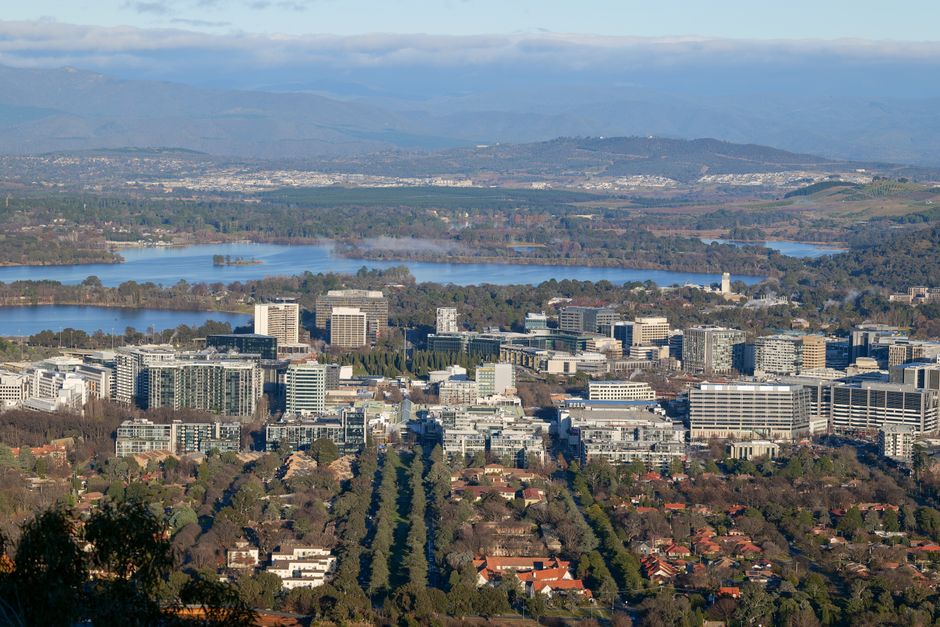
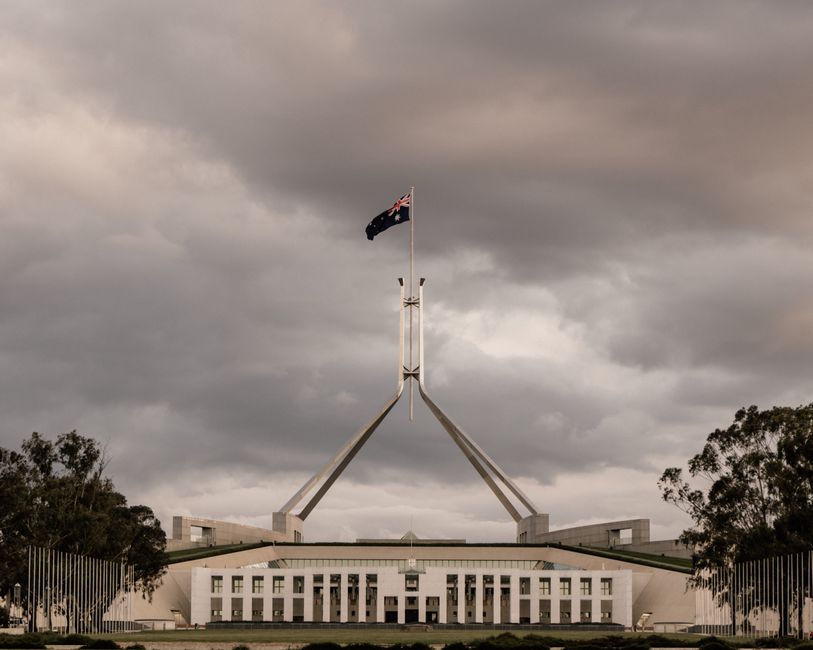
Canberra's housing affordability challenge has reached a critical juncture, with median residential prices now exceeding $900,000 across the broader ACT region—a figure that demands context when measured against comparable global cities facing similar pressures.
Analysis from local real estate trackers shows inner suburbs like Forrest and Yarralumla commanding premium prices, while outer growth areas such as Molonglo and Wright remain comparatively accessible. Yet even these outer ring suburbs have seen annual appreciation outpace wage growth by nearly three percentage points, mirroring trends observed in Dublin, where property inflation has similarly outstripped income rises for two consecutive years.
What distinguishes Canberra's trajectory is the concentration of government employment and public sector housing policies that have historically provided stability absent in more volatile markets. However, analysts note the city is now experiencing pressures comparable to Singapore and Vancouver—two cities where foreign investment and limited land supply have compressed affordability. Unlike those markets, though, Canberra retains significant undeveloped land within the Australian Capital Territory boundary, offering theoretical relief if zoning and development frameworks are deployed strategically.
The Canberra Property Council reports that first-time buyers are increasingly pushed toward suburbs like Gungahlin and Franklin, areas that 15 years ago were considered remote but now represent the last realistic entry point for households earning median incomes around $95,000 annually. Comparable pressure exists in Dublin's outer suburbs and Perth's satellite towns, where younger demographics face similar geographic trade-offs between affordability and commute times.
Interest rate settings at the Reserve Bank of Australia continue to shape local outcomes differently than overseas counterparts. While North American and European central banks have held rates higher for longer, Australia's more recent adjustments have provided modest relief—though this advantage may narrow as global monetary policy converges.
Local organisations including the ACT Council of Social Service have flagged rental market tightness as particularly acute, with vacancy rates hovering around 1.2 percent—marginally worse than Melbourne but better than Sydney. Rent-to-income ratios for Canberra households now approach those in Vancouver, where housing costs consume roughly 35 percent of median household earnings.
The distinction between Canberra and truly unaffordable global counterparts may ultimately rest on supply-side responsiveness. Planners at the ACT Government have approved several large-scale residential projects along the Molonglo corridor and within Gungahlin, developments that could meaningfully expand the housing stock by 2028—a timeline many global cities have failed to match with equivalent vigour.
Whether these interventions prove sufficient remains the defining question for Canberra's economic future.
This article was compiled by AI from the sources linked above and screened before publishing. See our editorial standards.