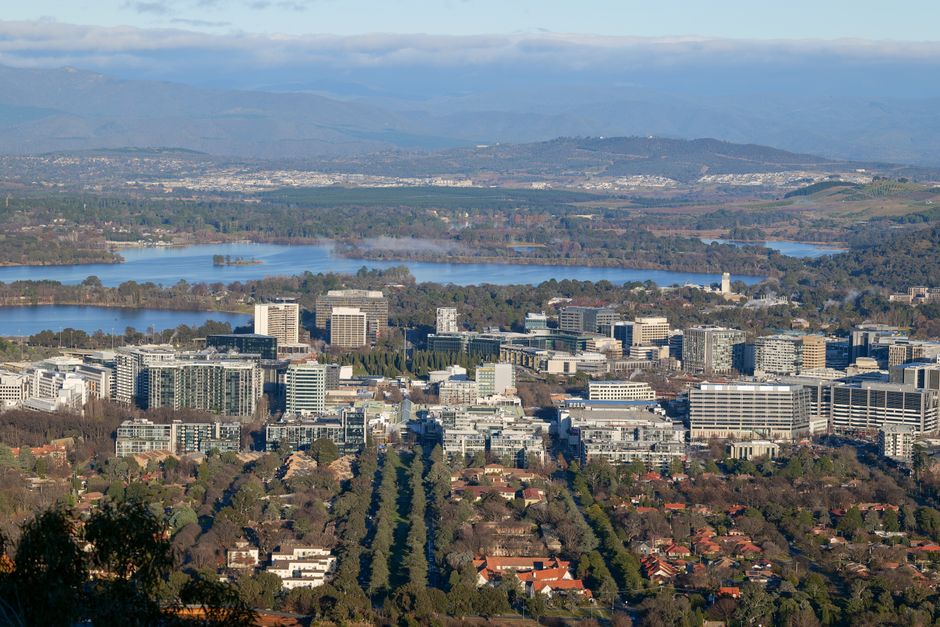
Canberra's Gungahlin precinct at crossroads: What happens next as mixed-use development plans reshape northern suburbs
As the Gungahlin Town Centre enters its next phase, residents and planners face critical decisions that will determine whether the $500 million vision becomes a genuine neighbourhood hub or another sprawling retail zone.
This article was generated by AI from the linked public sources. The Daily Canberra is independently owned and covers Canberra news free from advertiser or sponsor influence. Read our editorial standards →
The intersection of Hibberson and Aspinall Streets has become ground zero for one of Canberra's most significant urban renewal projects, and the coming months will prove decisive. With construction crews now preparing the secondary stage of Gungahlin Town Centre's expansion, community leaders, local businesses, and the ACT Government must navigate a series of pivotal questions that will shape the northern suburbs for decades.
The first major decision point centres on housing density. Current master plans propose up to 3,500 new residential units across the precinct—a number that delights property developers but concerns some existing residents. Local data shows Gungahlin's population has grown 47 per cent since 2011, straining schools and public transport. The ACT Government's transport committee meets in July to finalise bus route modifications; these decisions will directly impact whether the promised "15-minute neighbourhood" becomes reality or remains marketing rhetoric.
Retailers along Hibberson Street face their own reckoning. Three independent businesses—a decades-old family café, a hardware supplier, and a bookshop—have negotiated buyout terms expiring 30 June. Their decisions on whether to relocate, retire, or fight for space in the new mixed-use precinct will signal community confidence in the project's trajectory. Commercial tenancy costs in the new development sit at $450 per square metre, compared to current rates averaging $180—a sevenfold jump that raises serious questions about local business viability.
The ACT Heritage Council must also rule on whether to grant protected status to the original 1990s shopping complex before demolition commences. Community groups have mounted a modest campaign arguing the building represents Canberra's suburban growth history, though planners counter that heritage protections would derail the entire timeline.
Perhaps most critically, the Gungahlin Community Council will present competing visions for public space allocation in August. One proposal prioritises civic gathering areas—plazas, markets, community gardens—while an alternative framework maximises commercial space to offset construction costs. This decision will fundamentally determine whether Gungahlin Town Centre functions as authentic neighbourhood infrastructure or primarily as consumption infrastructure.
These aren't abstract planning debates. They're about whether Canberra's suburbs remain places where real people live, work, and know their neighbours—or whether they become interchangeable nodes in a growth machine. The decisions made in the coming weeks will answer that question for the next generation.
This article was compiled by AI from the sources linked above and screened before publishing. See our editorial standards.
Covering news in Canberra. This article was generated by AI from the linked sources and was not reviewed by a human editor before publishing. See our editorial standards.