News
How Canberra's Green Push Stacks Up Against World-Leading Cities
As the capital targets net-zero emissions by 2045, experts say the city is matching ambitious peers like Copenhagen and Vancouver—but faces unique hurdles.
3 min read
News
As the capital targets net-zero emissions by 2045, experts say the city is matching ambitious peers like Copenhagen and Vancouver—but faces unique hurdles.
3 min read
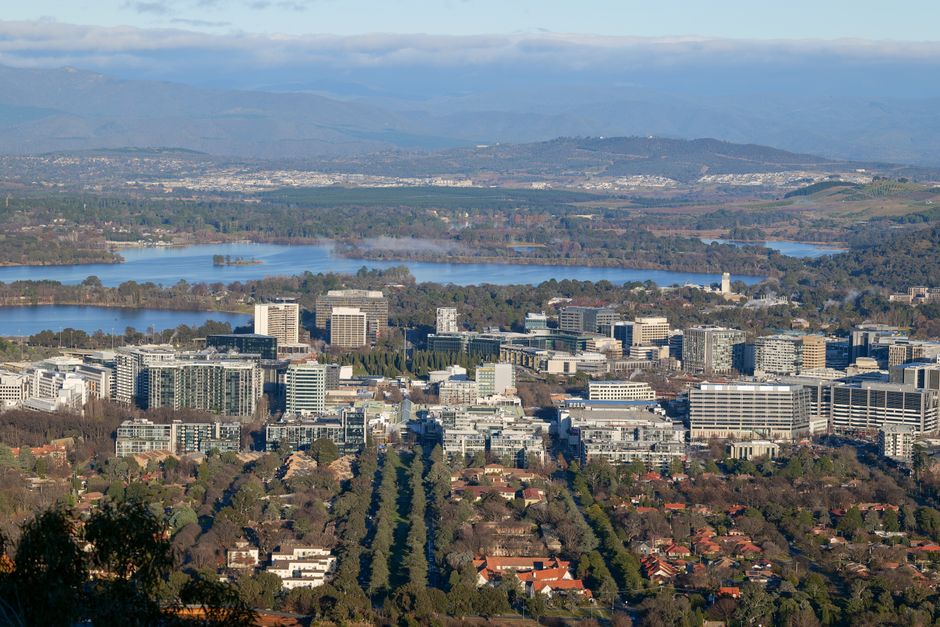
Canberra's commitment to becoming a net-zero emissions city by 2045 places it firmly among the world's most ambitious capitals, yet a closer comparison with global counterparts reveals a mixed picture of progress and remaining challenges.
The Australian Capital Territory currently sources 100 per cent of its electricity from renewable energy—a milestone achieved in 2020 that few cities globally can claim. This puts Canberra ahead of many peer cities. By contrast, Copenhagen, often cited as Europe's sustainability leader, generates around 80 per cent of its electricity from renewables and biomass combined. Vancouver, frequently ranked among North America's greenest cities, achieves approximately 90 per cent through hydroelectric power.
Where Canberra distinguishes itself is in transport infrastructure. The light rail extension from Gungahlin to Civic, operational since 2019, has catalysed broader modal shift conversations. Yet transport emissions remain a vulnerability. While Copenhagen has invested heavily in cycling infrastructure—with 62 per cent of residents commuting by bike—Canberra's car dependency still hovers around 70 per cent of trips, comparable to many Australian cities but trailing European benchmarks significantly.
Building efficiency presents another flashpoint. The ACT government's Energy Efficiency Improvement Scheme requires upgrades across the commercial sector, with incentives for retrofitting office buildings around Civic and Barton. However, implementation timelines lag those of cities like Stockholm, where mandatory energy audits and renovation targets have been in place since 2014.
Local green spaces offer Canberra a comparative advantage. The network of nature reserves, including Tidbinbilla and Namadgi National Park proximity, supports biodiversity initiatives that rival international examples. Yet sprawl remains contentious; Canberra's per-capita land use exceeds that of comparable cities, raising questions about urban planning density—an area where Vancouver and Copenhagen demonstrate tighter integration.
Waste management tells a similar story. Canberra's recycling rate of 65 per cent trails countries like Germany (66 per cent) and Austria (63 per cent), though municipal composting programs expanding across suburbs like Belconnen show momentum. Pricing mechanics differ too; while some European cities implement aggressive waste disposal levies, Canberra's rates remain comparatively modest.
Climate scientists note the city's geographic advantage: abundant solar resources and temperate winters reduce heating demands that plague northern cities. This natural advantage, however, shouldn't mask policy gaps. Experts suggest Canberra's 2045 target, while laudable, requires accelerated transport electrification and stricter building standards to match Copenhagen's 2025 carbon-neutral ambitions or Singapore's integrated approach.
The consensus among sustainability analysts is clear: Canberra is competitive but not leading. The next phase demands sharper focus on transport, denser urban planning, and accelerated industrial decarbonisation to genuinely rival the world's most committed capitals.
This article was compiled by AI from the sources linked above and screened before publishing. See our editorial standards.
News
News
News
News
About this article
Published by The Daily Canberra
Spread the word
Daily brief
Free, in your inbox before 7am. Weekdays.
The Daily Network — local news across Australia