News
How Canberra's Transport Crisis Became Inevitable: Tracing Decades of Delayed Decisions
From missed opportunities in the 1990s to today's gridlocked corridors, the capital's infrastructure woes didn't happen overnight.
3 min read
News
From missed opportunities in the 1990s to today's gridlocked corridors, the capital's infrastructure woes didn't happen overnight.
3 min read
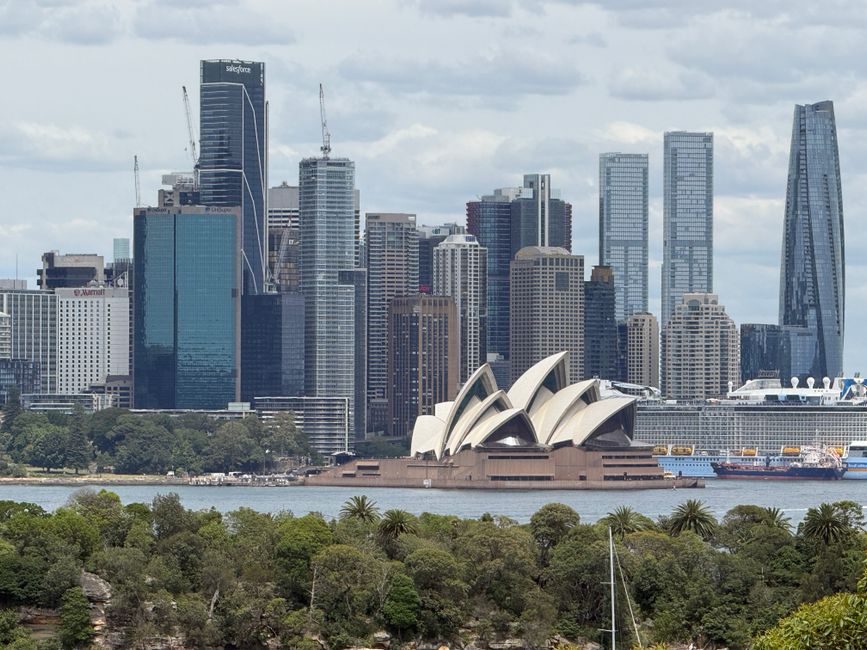
Drive along Gungahlin Drive during peak hours and you'll see the problem clearly: bumper-to-bumper traffic, frustrated commuters, and a public transport system struggling to keep pace with a city that has fundamentally outgrown its original design. But this congestion crisis didn't materialise in isolation. It's the culmination of three decades of incremental underinvestment, delayed planning decisions, and demographic shifts that caught Canberra's leadership unprepared.
When the ACT Government released its "2020 Vision" strategy in the early 2000s, planners projected the territory's population would stabilise around 350,000. That target was breached in 2018. Today, Canberra's population sits at approximately 465,000, with forecasts suggesting 650,000 residents by 2060. The infrastructure that made sense for a mid-sized administrative capital never anticipated this trajectory.
The light rail network—now under construction from Gungahlin to the city—represents a telling case study. Serious discussion about rapid transit options began in the 1990s. A rapid transit study commissioned in 2005 recommended a staged approach to light rail, but political uncertainty and competing budget priorities delayed any substantive commitment until 2016. By then, Canberra's outer suburbs had already sprawled dramatically, with tens of thousands of residents now caught in daily commutes from suburbs like Casey, Forde, and Harrison to employment hubs in the city and Belconnen.
Road infrastructure tells a similar story. The Majura Parkway upgrade—essential for managing traffic flows between the city and northern suburbs—wasn't completed until 2023, despite traffic modelling flagging the need as far back as the early 2010s. Meanwhile, the intersection of Commonwealth Avenue and Northbourne Avenue has become a notorious bottleneck, a chokepoint that daily reminds Canberrans of infrastructure planning playing catch-up with reality.
This pattern reflects a broader challenge facing the ACT Government: population growth rates have consistently outpaced infrastructure delivery timelines. A typical major road project takes 4-6 years from planning approval to completion. Light rail construction, similarly, spans years. Meanwhile, residential development in Gungahlin and southside growth areas has proceeded rapidly, adding residents faster than transport networks can accommodate them.
The current slate of projects—light rail stage 2 planning, Majura Parkway extensions, and proposed bus rapid transit corridors—represents an attempt to address today's problems using solutions designed for yesterday's population. Whether Canberra's planners and policymakers can now accelerate delivery enough to serve a rapidly growing city remains the central question facing the territory's infrastructure future.
This article was compiled by AI from the sources linked above and screened before publishing. See our editorial standards.
News

News
News
News
About this article
Published by The Daily Canberra
Spread the word
Daily brief
Free, in your inbox before 7am. Weekdays.
The Daily Network — local news across Australia