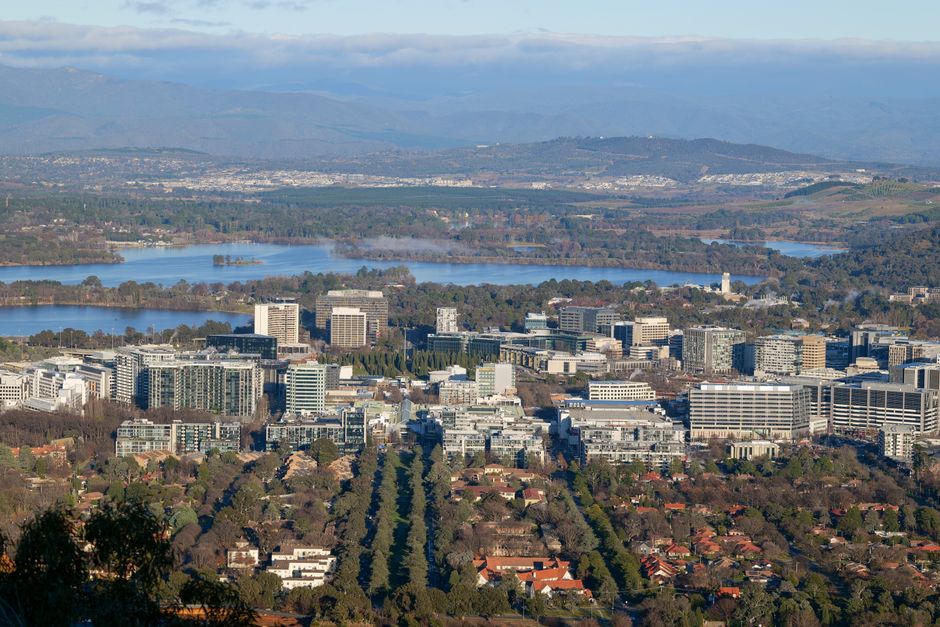
Senior officials and housing experts are calling for coordinated action to address what they describe as a critical affordability squeeze affecting Canberra's most established neighbourhoods, with rental vacancy rates now below 1 per cent in central suburbs.
The ACT Housing and Community Development Directorate has flagged growing concerns about supply constraints in high-demand areas including Forrest, Braddon, and Belconnen, where median rental prices have risen 22 per cent over the past 18 months. Community leaders emphasise the ripple effects extend beyond individual renters to entire neighbourhood ecosystems.
"What we're seeing is displacement of long-term residents from suburbs that have historically been diverse and mixed-income communities," according to statements from local neighbourhood associations monitoring demographic shifts. Representatives from the Braddon Community Group and Forrest Residents Association have highlighted how rising costs are reshaping who can afford to live in these inner-north localities, historically known for young professionals and families.
The ACT Planning and Land Authority has acknowledged pressure points, noting that while Canberra's overall vacancy rate remains comparatively stable against other Australian capitals, concentrated shortages in preferred suburbs create localised stress. Officials point to infrastructure investments along the light rail corridor—extending service to Woden and Gungahlin—as part of longer-term supply strategies.
Advocacy organisations operating in Canberra's community support sector report increased demand for housing assistance. Services Australia data suggests housing-related inquiries at the local Mitchell office have grown 18 per cent year-on-year, indicating broader financial pressure among residents.
City planners have indicated that upcoming development approvals in Dickson, O'Connor, and Downer will be critical to addressing supply gaps. However, experts note that construction timelines mean relief for current renters facing immediate cost pressures remains months away.
"The conversation now is about how we ensure future growth doesn't replicate current inequities," community development specialists have suggested, pointing to mixed-income housing models being trialled in other Australian cities as potential templates for Canberra's approach.
Local government representatives have flagged the importance of diverse housing typologies—from affordable rentals to co-housing arrangements—in maintaining neighbourhood character while improving access. The dialogue reflects broader national concerns about urban liveability, though Canberra's specific challenge involves preserving the character of inner suburbs while managing demand from a growing population drawn to the capital's employment and lifestyle opportunities.
This article was compiled by AI from the sources linked above and screened before publishing. See our editorial standards.