News
Canberra's Environmental Push Gains Momentum as Local Leaders Set Bold 2030 Targets
Senior officials and sustainability experts outline ambitious plans to position the nation's capital as Australia's climate action hub.
3 min read
News
Senior officials and sustainability experts outline ambitious plans to position the nation's capital as Australia's climate action hub.
3 min read
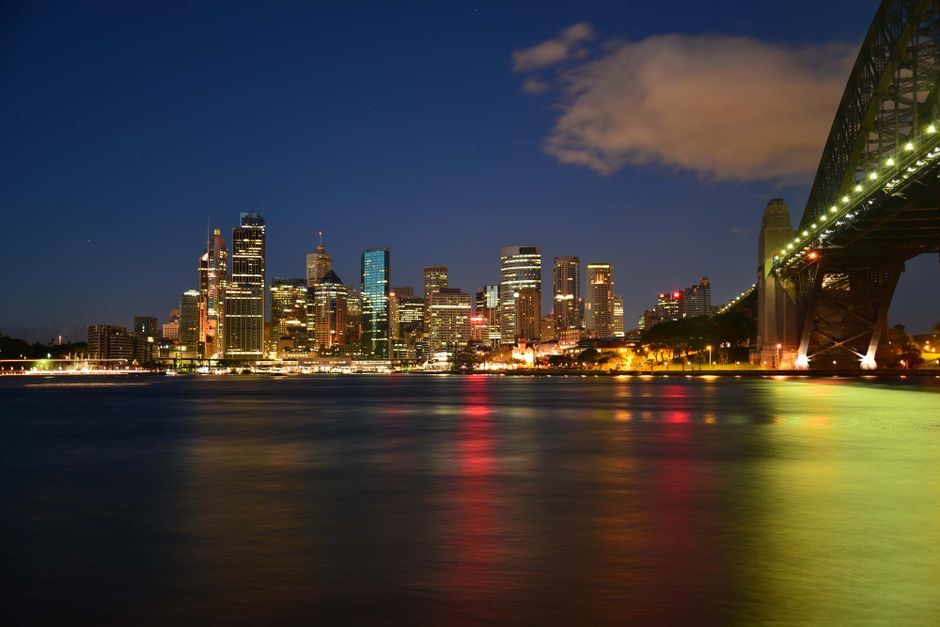
Canberra's environmental agenda is intensifying, with senior government officials and sustainability experts laying out concrete targets to transform the capital into a leading green city by 2030. At a packed forum in the foyer of the Canberra Museum and Gallery last week, representatives from the ACT Government, CSIRO, and the Australian National University outlined strategies ranging from urban renewable energy to circular economy initiatives across inner suburbs like Civic, Kingston, and Braddon.
The ACT Climate Change Strategy, updated this year, commits the territory to net-zero emissions by 2040—a decade ahead of the national target. Officials emphasised that achieving this goal requires coordinated action across transport, building standards, and waste management. Current data shows renewable energy already accounts for approximately 65 per cent of the ACT's electricity generation, but speakers stressed that grid storage and electric vehicle uptake remain critical bottlenecks.
"The conversation has shifted from whether we can afford climate action to whether we can afford not to," said a senior policy analyst from the Environment, Planning and Sustainable Development Directorate during Tuesday's session. Officials highlighted the ACT's commitment to zero-emission bus fleets by 2040, with 80 new electric buses already operating on Canberra's routes.
Research institutions are playing an equally pivotal role. Scientists from the ANU's School of Cybernetics outlined emerging technologies in carbon capture and soil carbon sequestration, noting that Canberra's semi-rural surrounds present unique opportunities for agricultural sustainability pilots. CSIRO representatives discussed water security challenges, pointing to recent summers where demand spikes have tested the Cotter Dam and Murrumbidgee River systems.
Business leaders present acknowledged that transitioning to sustainability requires investment. The ACT's recycling sector currently diverts approximately 73 per cent of waste from landfill—above the national average—but experts say further improvements depend on consumer behaviour and infrastructure expansion in outer suburbs.
One notable theme was the need for community buy-in. Officials noted that while regulatory frameworks matter, achieving meaningful progress depends on residents, businesses, and institutions across Kingston, Gungahlin, and beyond embracing sustainable practices. Investment in public education campaigns and green skills training programmes featured prominently in discussion.
The consensus among speakers was clear: Canberra has the expertise, infrastructure, and policy levers to lead Australia's transition to a genuinely sustainable economy. Whether ambitious timelines can be met, they suggested, depends on sustained political will and coordinated action across government, research, and community sectors over the coming months and years.
This article was compiled by AI from the sources linked above and screened before publishing. See our editorial standards.
News
News
News

News
About this article
Published by The Daily Canberra
Spread the word
Daily brief
Free, in your inbox before 7am. Weekdays.
The Daily Network — local news across Australia