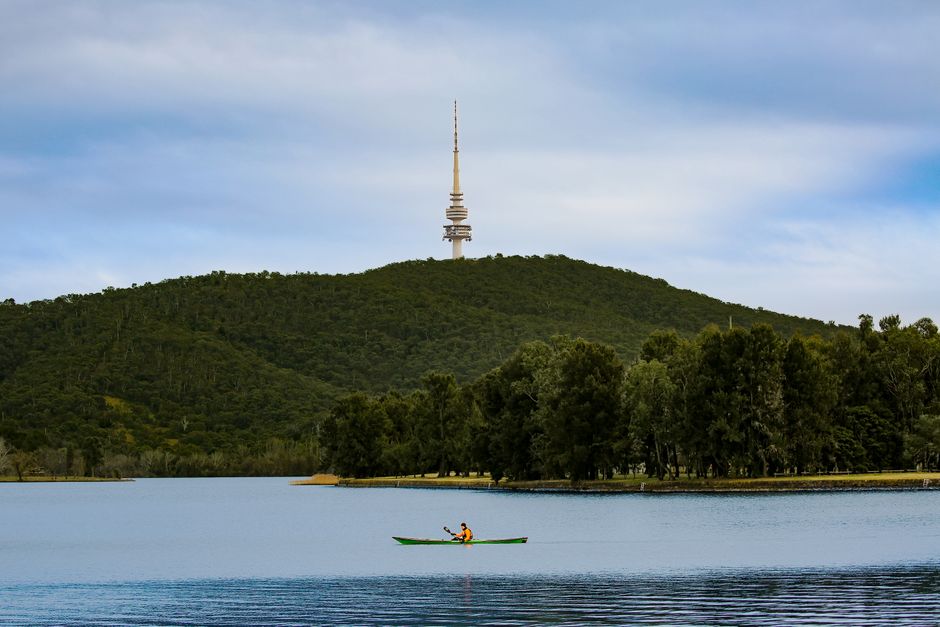
Walking through Woden on a humid June afternoon, it's hard to ignore the construction sites dotting the suburb. New medium-density housing projects promise sustainable living, but for long-time residents, the rapid transformation raises pressing questions about who benefits from green initiatives—and who gets left behind.
"We support climate action," says a spokesperson for the Woden Valley Community Association, "but we need to understand how these changes affect local renters and pensioners." The group has been fielding concerns from residents worried about rising property values in areas undergoing sustainability retrofits, with some fearing displacement as neighbourhoods become more desirable.
This tension reflects a broader challenge facing Canberra as it pursues its ambitious goal of net-zero emissions by 2045. While the ACT government has committed to 100 per cent renewable electricity by 2025 and invested heavily in active transport infrastructure, community engagement remains uneven across different postcodes.
In inner-north suburbs like Dickson and Campbell, grassroots groups have been actively involved in local solar cooperatives and water-sensitive urban design projects. But in western areas like Kambah and Charnwood, residents report feeling sidelined from planning conversations. "We hear about these initiatives through the news, not through proper consultation," one community leader notes.
The ACT's 2025 Sustainable Development Report indicated that household energy costs have decreased by an average of 12 per cent following solar incentive programs, yet uptake rates vary significantly by suburb. Affluent inner suburbs have achieved solar penetration rates above 40 per cent, while some outer suburbs lag at around 18 per cent—a disparity that concerns equity advocates.
Transport accessibility presents another flashpoint. While Canberra's expanding light rail network from the City to Gungahlin has won praise, residents in suburbs like Tuggeranong and Belconnen question when their areas will receive similar investments. The 45-minute commute some face to central employment hubs makes car reliance unavoidable for many, regardless of sustainability messaging.
"We're not anti-environment," emphasises a representative from the Tuggeranong Community Council. "But sustainable development has to be practical for working families. If you can't afford the upfront costs of retrofitting, or if public transport doesn't serve your area, how are you supposed to participate?"
The ACT government has committed to expanded community consultation on its updated sustainability strategy, due for release by September. For Canberra's affected residents, the message is clear: effective climate action requires listening to those living through the transition.
This article was compiled by AI from the sources linked above and screened before publishing. See our editorial standards.