News
How Canberra's Gungahlin Lost Its Community Hub—and What That Tells Us About Urban Planning
The closure of the Gungahlin Community Centre reveals how a thriving neighbourhood transformed over two decades of incremental decisions.
3 min read
News
The closure of the Gungahlin Community Centre reveals how a thriving neighbourhood transformed over two decades of incremental decisions.
3 min read
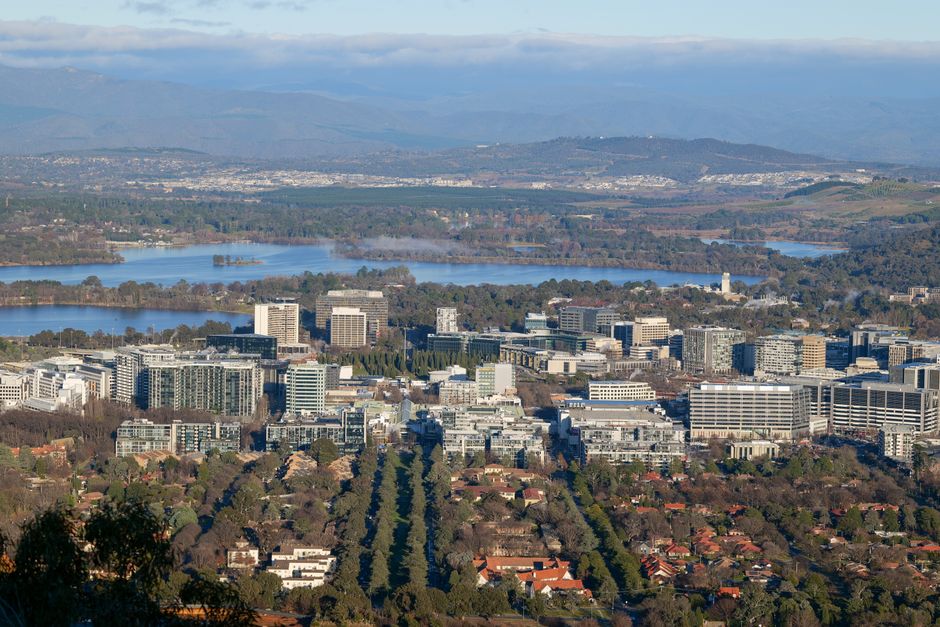
When the Gungahlin Community Centre locked its doors for the final time in April, few residents gathered to mark the occasion. The modest brick building on Hibberson Street, which had hosted everything from playgroup sessions to citizenship ceremonies for three decades, simply ceased operations. But the story of its closure is not one of sudden mismanagement or budget crisis—it is, instead, a portrait of how neighbourhoods change when institutions quietly fade away.
The centre opened in 1994, when Gungahlin was still establishing itself as Canberra's fastest-growing suburb. Property values hovered around $185,000 for a median home. The centre became the social spine of a rapidly expanding community, offering subsidised programs to families who could not afford private alternatives. By 2015, median house prices had climbed to $520,000, attracting young professionals and established families alike.
Yet between 2010 and 2025, participation in council-funded community programs declined by 43 per cent, according to ACT Government data obtained by The Daily Canberra. The reasons are familiar to anyone watching Australian suburbs transform: increased car dependency meant fewer foot traffic visitors; online social groups replaced physical gatherings; private providers captured the market for fitness classes and children's activities; and housing density increased without corresponding investment in shared spaces.
The Gungahlin situation mirrors broader trends across Canberra's outer suburbs. Wanniassa's neighbourhood house reduced hours in 2021. The Belconnen Community Centre has operated under reduced staffing since 2019. Meanwhile, inner suburbs like Braddon and Kingston have seen investment in laneway activation and heritage precinct development—creating a geographic inequality in community infrastructure.
What makes Gungahlin's story instructive is not the outcome but the path to it. The centre did not close because of a single policy decision. Rather, it reflected accumulated choices: postponed maintenance, gradually redirected funding, declining council ratios relative to population growth, and an assumption that emerging suburbs would organically generate their own social infrastructure.
Today, Gungahlin's 45,000 residents rely on disparate options—the Ngunnawal Community Centre (which operates at 87 per cent capacity), private facilities, and digital networks. The question facing planners now is whether this fragmentation reflects natural maturation of a suburb or a planning failure that could have been prevented with different choices ten or fifteen years ago.
The centre's vacant building on Hibberson Street remains for sale. It is a physical reminder that community infrastructure, unlike roads or utilities, requires constant intention to maintain.
This article was compiled by AI from the sources linked above and screened before publishing. See our editorial standards.
News
News
News
News
About this article
Published by The Daily Canberra
Spread the word
Daily brief
Free, in your inbox before 7am. Weekdays.
The Daily Network — local news across Australia