When the ACT government announced its updated sustainability roadmap earlier this year, environmental advocates celebrated the ambitious targets. But for residents across Canberra's established suburbs—from the tree-lined streets of Forrest to the growing families in Gungahlin—the real story is far more personal: their power bills, their children's health, and the future value of their homes.
The ACT's commitment to 100 per cent renewable electricity by 2025 and net-zero emissions by 2045 represents one of Australia's most aggressive climate agendas. For the 460,000 people living in the territory, this isn't abstract policy—it's about tangible, everyday change.
Consider energy costs. Residential electricity prices in Canberra have climbed roughly 8 per cent annually over the past five years. The ACT's renewable energy transition is already beginning to flatten those trajectories. Homes switching to rooftop solar—increasingly common in suburbs like Woden Valley and Belconnen—can reduce annual power bills by up to $1,200. For pensioners and families stretched by cost-of-living pressures, that's significant.
The community health dimension is equally compelling. Air quality monitoring stations across the city—including key sites at Australian National University and in inner-north Canberra—show that days exceeding safe particulate matter levels have declined alongside renewable energy uptake. Parents pushing strollers through Jerrabomberra Wetlands or riding bikes along the expanding Active Travel network stand to benefit from cleaner air, particularly during spring when bushfire smoke historically blankets the region.
Neighbourhood renewal is happening too. The ACT government's commitment to retrofitting public buildings has injected investment into precincts like Braddon and Kingston, where heritage conversions now incorporate energy-efficient upgrades. Local cafes and shops in these revitalised areas report increased foot traffic, supporting small businesses while reducing transport emissions.
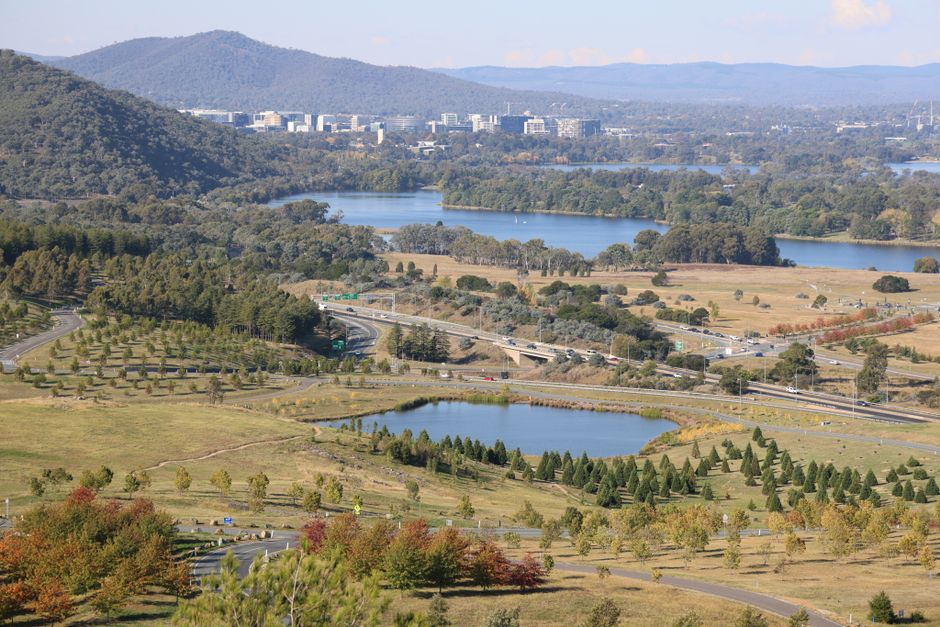
Canberra's geography—surrounded by bushland and bounded by the Molonglo and Murrumbidgee rivers—makes environmental stewardship both urgent and rewarding. Wetland restoration projects in suburbs like Gungahlin and Tuggeranong have created green corridors that increase property values while providing residents with recreational spaces and wildlife habitat.
The transition isn't without challenge. Tradies and construction workers across the region are retraining for green building roles. But workforce development programs through institutions like the Canberra Institute of Technology are positioning locals to benefit economically from this shift.
For Canberra's residents, sustainability isn't a distant goal—it's reshaping the suburbs they live in, the air they breathe, and the money they save.
This article was compiled by AI from the sources linked above and screened before publishing. See our editorial standards.