lifestyle
Canberra's Neighbourhood Parks Strengthen Communities Through Shared Green Spaces
From Braddon's shared gardens to Weston's waterside walks, Canberra's parks are becoming the beating heart of local identity.
3 min read
lifestyle
From Braddon's shared gardens to Weston's waterside walks, Canberra's parks are becoming the beating heart of local identity.
3 min read
On any given Saturday morning in Braddon, you'll find clusters of neighbours gathered around the community garden beds near Lonsdale Street. Some are harvesting winter greens—the brussels sprouts and blackberries that seasonal markets tout as this month's best value—while others chat over freshly brewed coffee at nearby cafés. It's a scene repeated across Canberra's inner suburbs, where parks have evolved from simple green lungs into genuine social anchors.
"Parks are where neighbourhood character gets written," says a local urban planner who has observed Canberra's shifting dynamics over the past decade. The city's original design—with its famous tree-lined avenues and distributed green spaces—has provided the canvas, but it's the people who've painted the real story.
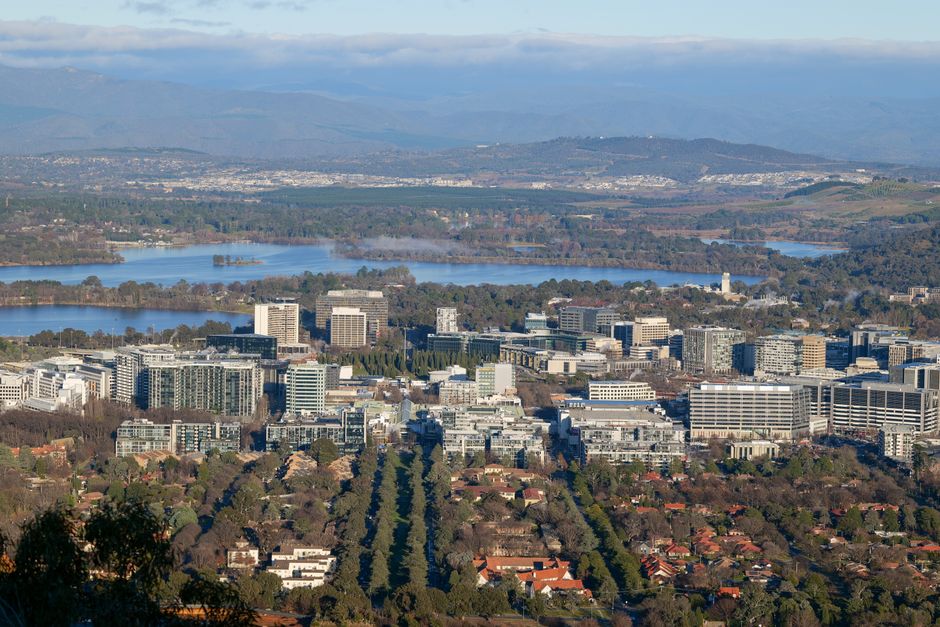
Take Weston Park along the Molonglo River: what was once a quiet recreational strip has become a hub for morning joggers, weekend picnic families, and after-work walkers. The riverside path connects neighbourhoods, creating informal networks between Weston, Canberra City, and Kingston. Local data suggests that residents living within 500 metres of major green spaces report higher community satisfaction rates—a pattern reflected in property values across suburbs like Forrest and Red Hill, where established parks command premium prices.
In Narrabundah, the newly expanded community garden near Jerrabomberra Avenue has fostered unexpected friendships. Volunteers from a dozen postcodes now gather monthly, swapping heirloom seeds and cooking tips. These aren't formal clubs with membership fees; they're organic extensions of neighbourhood life.
Even smaller pockets matter. The hidden triangle gardens behind shops on Lonsdale Street in Braddon—maintained by locals rather than city council alone—have become Instagram-worthy spots that draw visitors and strengthen resident pride. These micro-spaces cost nothing to access but yield immeasurable social currency.
What's driving this shift? Partly pandemic-era patterns that stuck. Partly the realisation that Canberra's dispersed geography demands gathering points. And partly a generation of residents who've actively chosen inner suburbs specifically for their walkable park networks.
The winter months, typically quiet in many Australian cities, see Canberra's parks buzzing. Local runners and cyclists take advantage of crisp mornings. Families picnic at midday when crowds thin out. Market-garden produce—those affordable seasonal vegetables filling community gardens—finds its way into neighbourhood potlucks and shared meals.
Canberra's parks aren't just about trees and paths anymore. They're where the city's real neighbourhoods form: in conversations by benches, in shared harvests, in the simple act of showing up in the same green space week after week. That's where community vibe becomes lived reality.
This article was compiled by AI and screened before publishing. See our editorial standards.
About this article
Published by The Daily Canberra
Spread the word
Daily brief
Free, in your inbox before 7am. Weekdays.
The Daily Network — local news across Australia