lifestyle
Moving to Canberra: Local Tips for New Arrivals
Relocating to Canberra? Discover insider tips from long-term residents on the best suburbs, local cafés, and lifestyle secrets for settling into Australia's capital.
3 min read
lifestyle
Relocating to Canberra? Discover insider tips from long-term residents on the best suburbs, local cafés, and lifestyle secrets for settling into Australia's capital.
3 min read
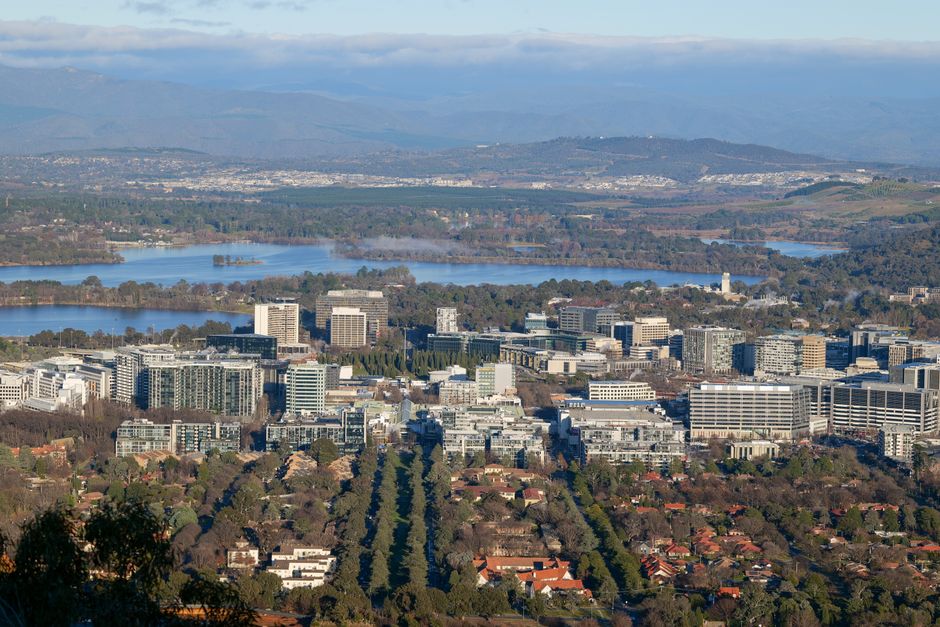
Canberra's reputation as a planned city often precedes it—geometric suburbs, wide avenues, and a deliberate sense of order. But what new arrivals discover is a thriving lifestyle community that rewards those willing to look beyond the stereotype. We spoke with several long-term residents who've relocated from overseas and interstate to uncover what actually matters when you're settling in.
Start your exploration in inner-north suburbs like Dickson and Braddon, where the real Canberra pulse beats. These neighbourhoods host weekend markets, independent cafés, and the kind of street-level culture that doesn't appear on tourism brochures. The Canberra Farmers Markets (Saturdays, Garema Centre) and Sunday gatherings along Lonsdale Street in Braddon are where locals genuinely spend their time. Rent here typically ranges from $450–$650 per week for a two-bedroom apartment, though prices spike during the university semester.
Winter—May to August—catches many newcomers off guard. Temperatures drop to single digits, and the city's exposed position on the southern tablelands means genuine frost. Locals recommend joining winter sports communities early; Lake Burley Griffin's promenade transforms into a running and cycling hub year-round, and the nearby Canberra Alpine Sports Club offers surprisingly accessible pursuits for those relocating from warmer climates.
The quirk nobody mentions: Canberra's retail culture is entirely suburb-based. There's no traditional CBD shopping strip. Westfield Woden and Westfield Belconnen serve as de facto town centres, but most locals source groceries from independent shops along their local streets—cheaper than the supermarket duopoly dominating Australian suburbs elsewhere.
For genuine community integration, volunteer with established organisations early. The Canberra Community Law Centre, local bushcare groups, or arts venues like Belconnen Community Centre connect you with people who chose to be here, not those passing through. This matters more than you'd expect in a government town where transience is constant.
Public transport via Transport Canberra is functional but requires planning; locals recommend cycling or owning a car within your first month. A decent used bicycle costs $150–$300 and opens up the extensive network of bike paths—genuinely the city's best asset.
Finally, embrace the food scene's genuine quality. Yes, the city punches above its weight on dining, but the real win is the produce: winter blackberries, brussels sprouts, and locally-milled grains make seasonal cooking rewarding. Shop at independent grocers on Lonsdale Street rather than defaulting to supermarkets.
Canberra rewards curiosity and patience. Those who treat the first six months as genuine exploration, rather than marking time before moving again, tend to stay.
This article was compiled by AI and screened before publishing. See our editorial standards.
About this article
Published by The Daily Canberra
Spread the word
Daily brief
Free, in your inbox before 7am. Weekdays.
The Daily Network — local news across Australia