lifestyle
Canberra Cyclists Trade Cars for E-Bikes, Reshaping City Movement
From Braddon to Belconnen, a generation of commuters is abandoning cars for e-bikes and shared paths, transforming what it means to get around town.
3 min read
lifestyle
From Braddon to Belconnen, a generation of commuters is abandoning cars for e-bikes and shared paths, transforming what it means to get around town.
3 min read

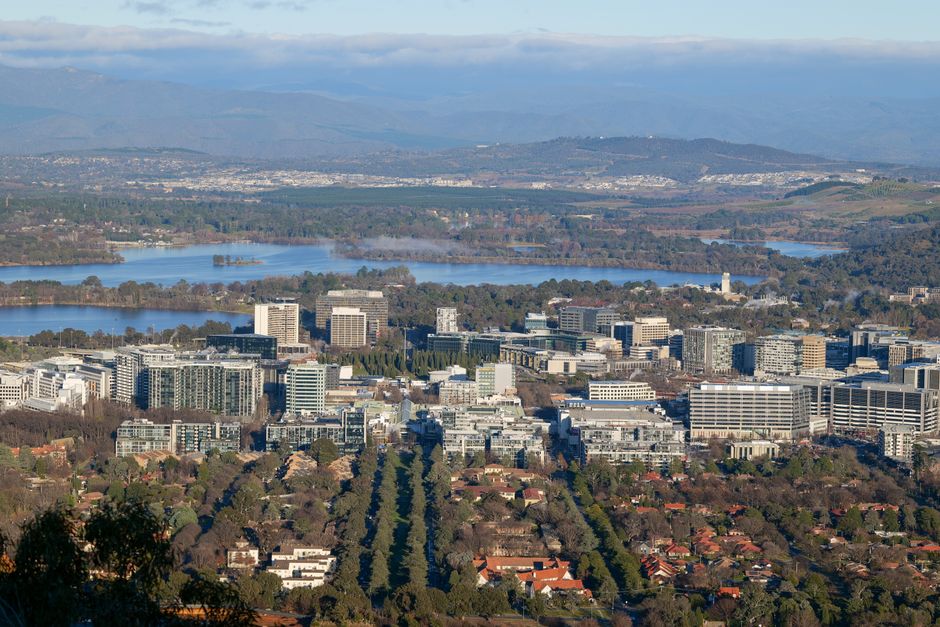
Five years ago, cycling in Canberra meant weekend recreation. Today, it's reshaping the daily rhythms of how residents move between home, work and the growing laneway culture of Braddon and Kingston.
The numbers tell the story. The ACT Government's active transport survey shows cycling commuting has increased by 34 per cent since 2021, with the Lake Burley Griffin loop now hosting upwards of 2,000 riders daily during winter months. But the real shift isn't captured in statistics—it's visible in the transformation of neighbourhoods themselves.
Take the corridor from Dickson to the city centre. What was once purely car-oriented infrastructure is being reimagined. The shared path network along Commonwealth Avenue has been extended and widened, while the new Northbourne Avenue upgrades include protected cycling lanes that finally separate bike traffic from vehicles. Local bike shops report e-bike sales have tripled in two years, with prices ranging from $2,000 to $6,000 for quality commuter models.
"We're seeing 40-year-old accountants buying their first e-bike," says a manager at one of Canberra's expanding cycle retailers. "It's not just students and fitness enthusiasts anymore."
The infrastructure changes reflect deeper cultural shifts. Braddon's emergence as a dining and hospitality hub has been partly enabled by cycle-friendly access—young professionals and families now cycle from inner suburbs like O'Connor and Aranda to weekend brunches, then continue to the National Library or Questacon without fighting traffic. Similarly, the Belconnen Town Centre's new active transport plan recognises that commuters moving between residential areas and employment hubs increasingly view cycling as competitive with driving.
Challenges remain. Winter weather in Canberra—particularly June and July's frosts and occasional ice—still deters casual riders. Secure bike parking remains patchy across the CBD, though new developments like the Canberra Metro precinct are incorporating purpose-built facilities. And while the ACT Government has committed $20 million to active transport infrastructure over the next five years, advocates argue more rapid expansion is needed.
Yet the momentum is undeniable. Community groups like Canberra Cycleways are now shaping urban planning conversations at the same table as developers. Schools from Watson to Weston Creek report increasing numbers of students cycling independently to campus. For a city designed in the mid-20th century around the motor car, this represents a fundamental recalibration.
Canberra's transport future isn't being written in planning documents alone. It's being written daily by commuters choosing pedal power over petrol, reshaping neighbourhoods in real time.
This article was compiled by AI and screened before publishing. See our editorial standards.
About this article
Published by The Daily Canberra
Spread the word
Daily brief
Free, in your inbox before 7am. Weekdays.
The Daily Network — local news across Australia