lifestyle
Expats Discover What Sets Canberra Apart From Other Global Cities
From planned perfection to four-season living, newcomers to Australia's capital find a rhythm entirely their own.
3 min read
lifestyle
From planned perfection to four-season living, newcomers to Australia's capital find a rhythm entirely their own.
3 min read

Move to London, and you inherit centuries of chaos. Tokyo offers controlled intensity. But Canberra? It's the rare city that was literally designed with you in mind—and that's precisely what makes it bewildering and brilliant for expats arriving from elsewhere.
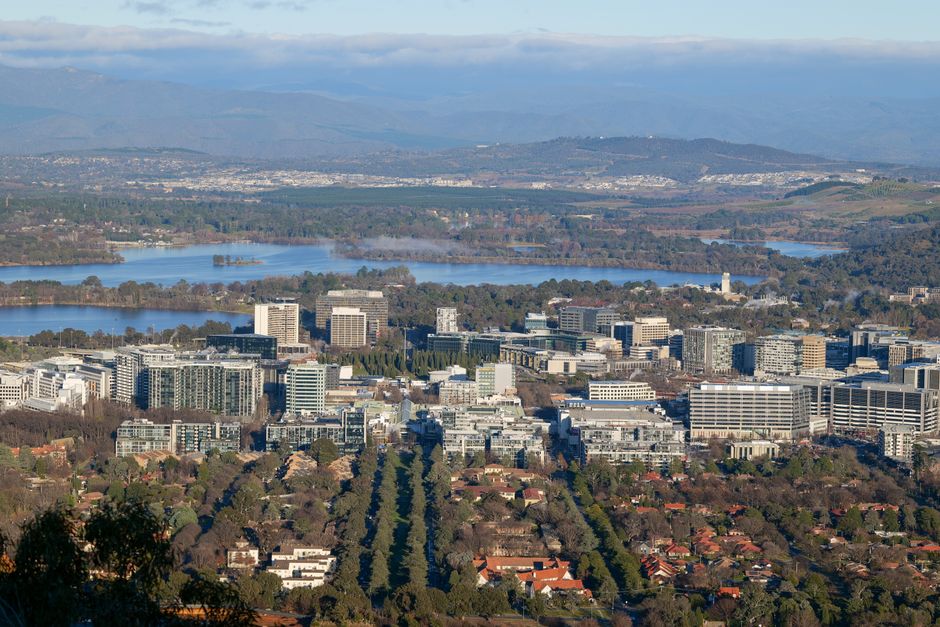
Built from scratch in 1923, Canberra's 460,000 residents inhabit a place engineered for livability in ways most established cities abandoned decades ago. The tree-lined boulevards of Forrest and Red Hill weren't accidents; they were architectural intentions. Wide streets mean traffic flows differently here. Parks—there are 1,800 of them—puncture through every neighbourhood rather than clustering at city edges. Lake Burley Griffin, a 664-hectare artificial lake at the city's heart, serves as both leisure ground and urban design anchor in a way that feels almost Scandinavian in its democratic accessibility.
The cost-of-living shock hits differently too. Yes, Canberra's median house price hovers around $750,000—hardly cheap. But compared to Sydney ($1.2 million) or Melbourne ($950,000), it's the most affordable major Australian capital. Rent in inner suburbs like Dickson or Braddon runs $400–500 weekly for a two-bedroom, undercutting Sydney by 25 per cent. Your purchasing power extends further here, and that matters when you're establishing yourself.
Then there's the seasonal rhythm. Unlike Australia's coastal cities where summer sprawls relentlessly, Canberra's four genuine seasons feel almost European. Winter temperatures drop to 2–8°C; autumn transforms the city's exotic plantings into gold and crimson. This matters psychologically for expats from temperate climates who've relocated to Australia partly by accident. You're not constantly wrestling with 35-degree heat.
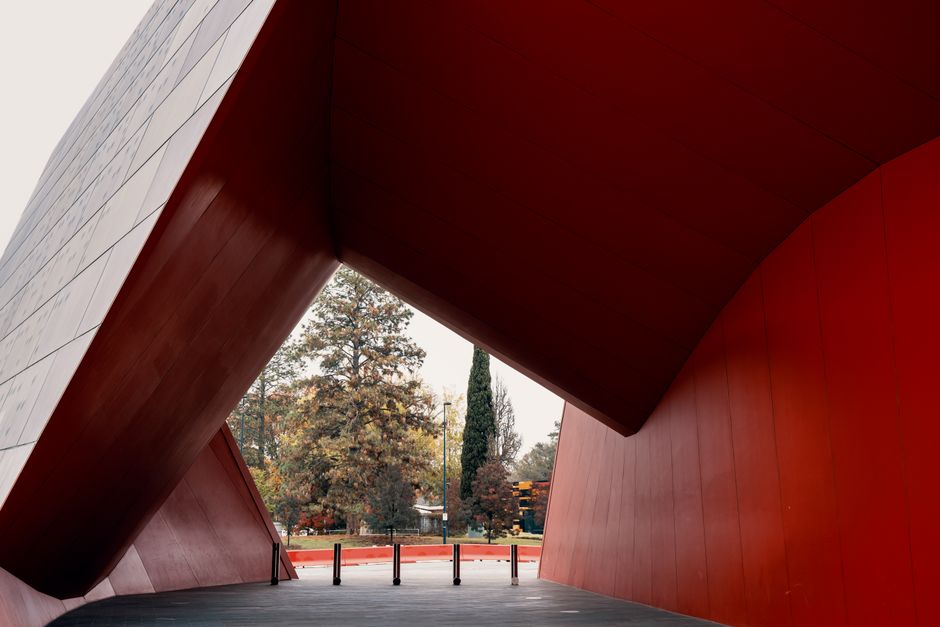
Culturally, Canberra punches beyond its weight. The National Gallery of Australia, National Museum, and National Library sit within walking distance of Parliament House—a concentration of cultural infrastructure that rivals cities three times its size. Venues like Llewellyn Hall host world-class performances; the King O'Malley's pub on Gungahlin Place remains an institution for expat newcomers and locals alike, offering the kind of ungoverned social friction that planned cities usually sanitise away.
The intangible difference? Expats report a city where professional opportunities cluster around government, defence, and public service rather than sprawling across fragmented industries. That creates unexpected community density. Your colleagues' partners work in fields where others' partners work. Neighbourhoods are mixed by income and background by design rather than market accident. It's cosier than cosmopolitan cities often manage.
Canberra won't feel like home immediately. But it might feel like the kind of place where home becomes possible—by design.
This article was compiled by AI and screened before publishing. See our editorial standards.
About this article
Published by The Daily Canberra
Spread the word
Daily brief
Free, in your inbox before 7am. Weekdays.
The Daily Network — local news across Australia