Walk down Gungahlin Place on a Saturday morning and you'll find the Barton Markets in full swing—a gathering that's become as much about community as commerce. Since reopening in its current format five years ago, the weekly market has become the neighbourhood's unofficial social hub, drawing regulars from across the city who come for fresh produce but stay for the conversations. It's here that the distinction between Barton's stately architecture and its surprisingly warm-blooded culture becomes clear.
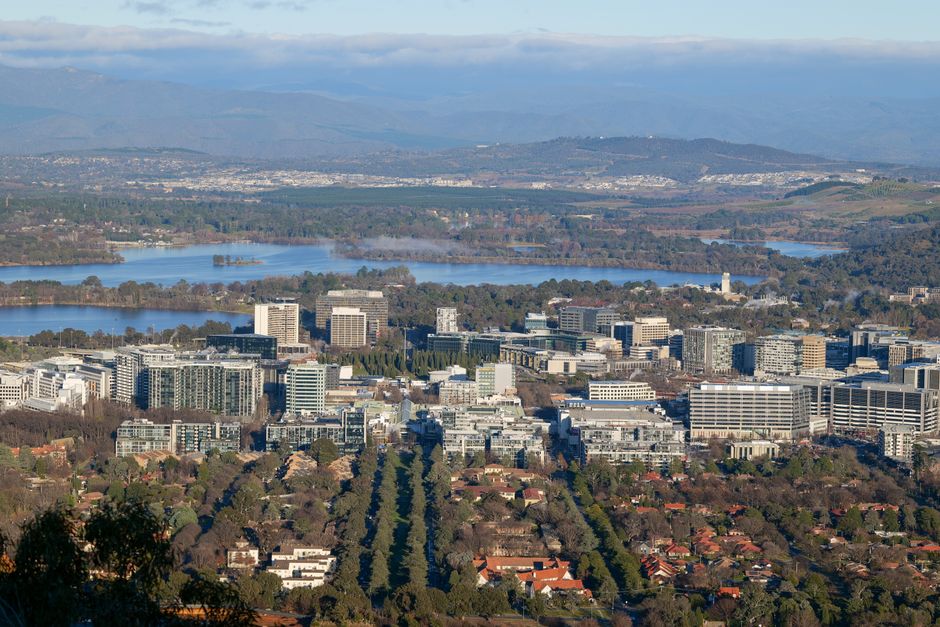
The Parliamentary Triangle—bounded by Commonwealth Avenue, Kings Avenue and the lake—might sound like a politician's domain, but locals will tell you it's the artists, traders and hospitality workers who truly animate the streets. Along Barton Avenue, independent cafés have flourished in recent years, with venue operators often doubling as local historians, sharing stories about the Art Deco shopfronts they've restored or the shift in foot traffic patterns since flexible working arrangements changed how Canberrans use the precinct.
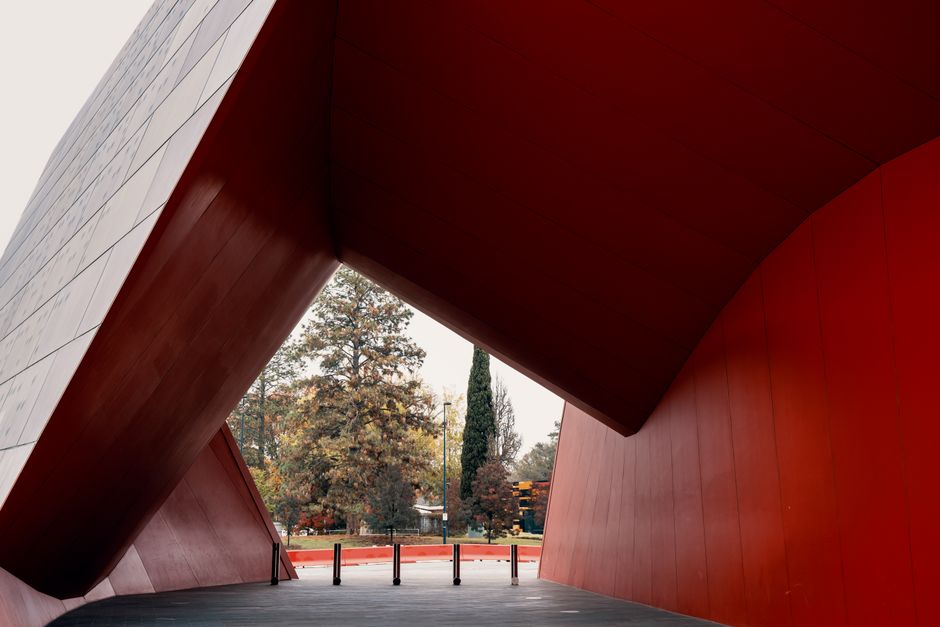
The National Museum of Australia and the Australian War Memorial sit within the broader precinct, but it's the smaller institutions—the Canberra Museum and Gallery on Civic Square, just adjacent—that often reveal the most intimate neighbourhood narratives. Staff there frequently encounter long-time residents documenting their own family histories within the parliamentary era, creating an unexpected intergenerational dialogue about what this area means to different Canberrans.
Local small business owners describe a precinct in transition. Property values in Barton have climbed steadily, with median house prices now exceeding $750,000, prompting conversations about gentrification and heritage preservation. Yet newer residents—young professionals attracted by walkability and proximity to Parliament House—are integrating themselves into the existing fabric rather than displacing it entirely. Community groups like the Barton Community Association remain active organisers of local events, bridging institutional Canberra with residential life.
The dining scene has evolved noticeably. Where Barton once catered primarily to parliamentary staff on lunch breaks, restaurants now target a broader clientele, with menus reflecting Australia's multicultural character. Traders speak of regulars who've visited for decades, creating pockets of continuity in a neighbourhood that's perpetually reimagining itself.
What makes Barton and the Parliamentary Triangle distinctive isn't its monuments—those draw tourists. It's the people stewarding these streets daily: the market vendors building relationships, the café owners preserving heritage buildings, the residents fighting to keep their neighbourhood from becoming merely a backdrop to power. They're the real architecture of this precinct.
This article was compiled by AI and screened before publishing. See our editorial standards.