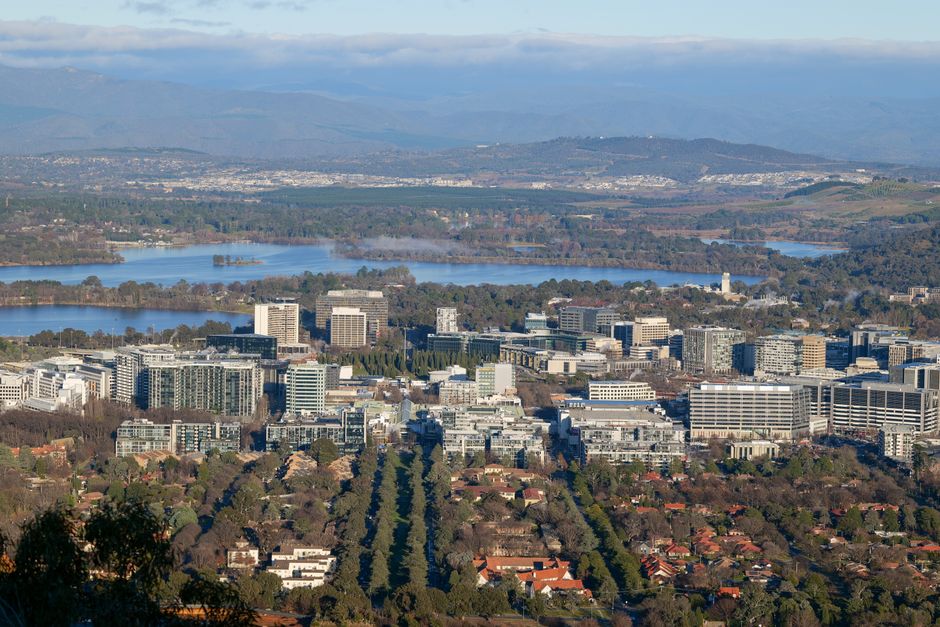
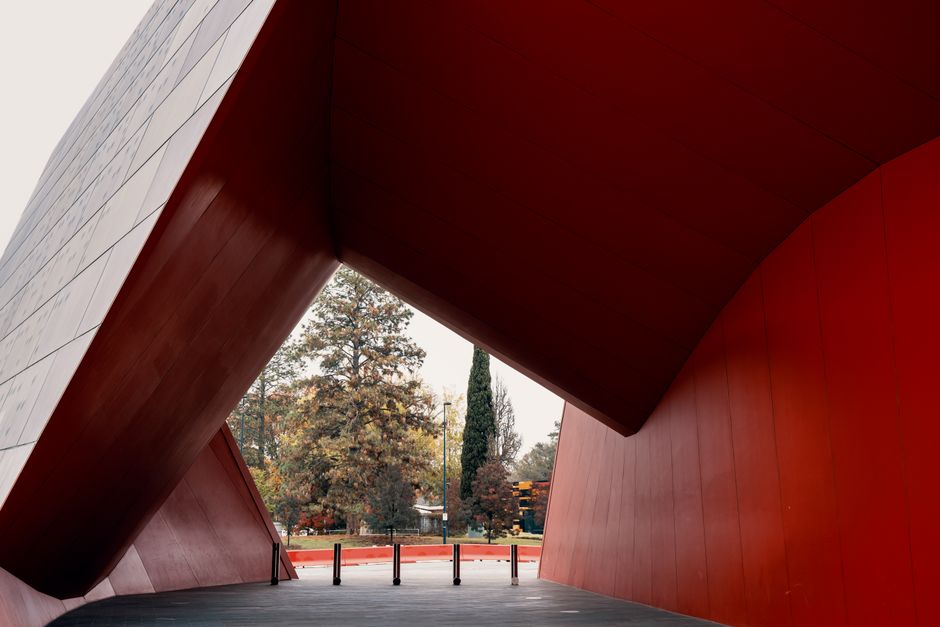
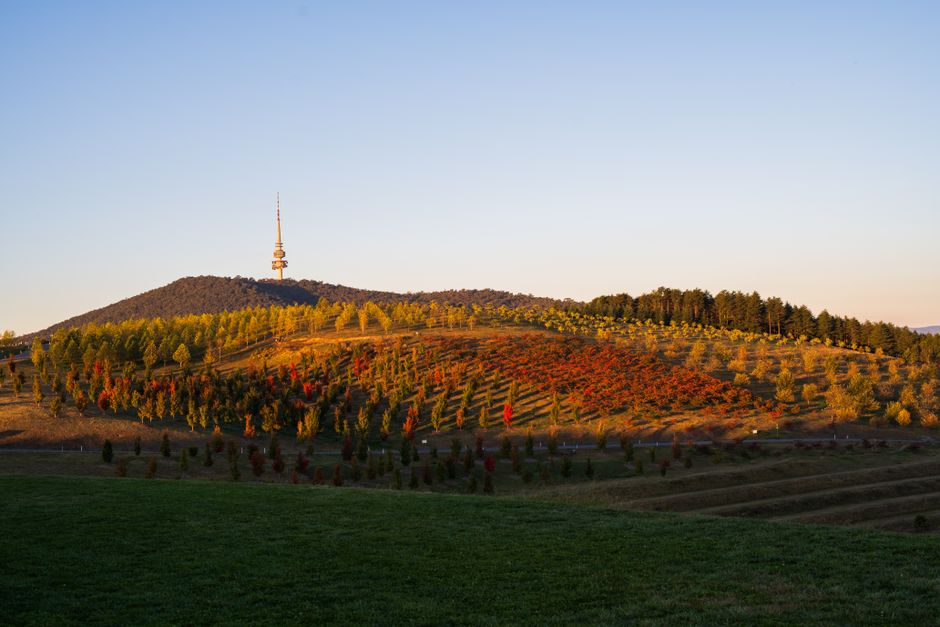
For decades, expats relocating to Canberra arrived with a particular mental picture: wide boulevards, planned perfection, a sense of beige corporate efficiency. But the narrative is shifting dramatically, and nowhere more visibly than across the inner north, where neighbourhoods like Dickson, Lyneham and Hackett are undergoing a cultural renaissance that's fundamentally reshaping how newcomers experience Australia's capital.
The transformation centres on a simple shift: authenticity over polish. Dickson, historically a utilitarian hub, has emerged as Canberra's unofficial multicultural corridor. International newcomers—particularly those from Southeast Asia and Eastern Europe—have established restaurants, bakeries and community spaces that reflect their home cuisines. The street now hosts everything from Vietnamese pho houses to Polish delis, with rents remaining substantially lower than comparable inner-city precints in Sydney or Melbourne. A two-bedroom apartment in the area rents for roughly $420–480 per week, making it accessible for families on corporate transfer packages.
What's driving this evolution? Partly infrastructure. The Canberra Metro bus rapid transit system, launched in 2019 with extensions now underway, has made inner-north suburbs far more connected to Parliament House and the lakeside precincts where many international organisations operate. Journey times from Dickson to central Canberra have halved.
Lyneham, adjacent and slightly more established, has become Canberra's answer to Melbourne's laneway culture. Local organisations like the Lyneham Community Hall have pivoted to hosting regular international film screenings, cooking classes and networking events specifically designed for expats. The Braddon Lane precinct—just south, in the neighbouring suburb—now features collaborative street art projects and weekend markets where newcomers connect informally.
But here's what makes this evolution particularly significant: it reflects a maturation in how Canberra markets itself to international arrivals. Rather than emphasising sterile efficiency, the city's relocation agencies now highlight community, cultural diversity and emerging lifestyle amenities. Organisations like Canberra Connect report a 34 per cent increase in expat-focused orientation programs since 2023, many now based in inner-north venues rather than CBD corporate offices.
The ripple effects are visible. Independent coffee roasters have multiplied along Dickson Street. Local bookshops and vintage furniture stores have replaced vacant shopfronts. Property values have climbed—though still well below Sydney equivalents—attracting younger international professionals who might previously have headed straight to the coast.
For newly arrived expats, the message is clear: Canberra's inner north isn't just evolving; it's actively becoming a destination, not a waypoint.
This article was compiled by AI and screened before publishing. See our editorial standards.