lifestyle
Dickson and Lyneham transform Canberra's inner north with new cafes, laneways.
From laneways to local roasteries, Dickson and Lyneham are reshaping what it means to live in the capital.
2 min read
lifestyle
From laneways to local roasteries, Dickson and Lyneham are reshaping what it means to live in the capital.
2 min read
Walk down Woolley Street in Dickson on a Friday evening, and you'd be forgiven for thinking you'd accidentally wandered into inner Melbourne. The laneway—once a forgettable thoroughfare between shops—has transformed into a destination, lined with independent cafés, small bars, and the kind of human activity that makes a neighbourhood feel alive. This isn't accident. It's the result of a grassroots shift that's been quietly reshaping Canberra's inner north over the past 18 months.
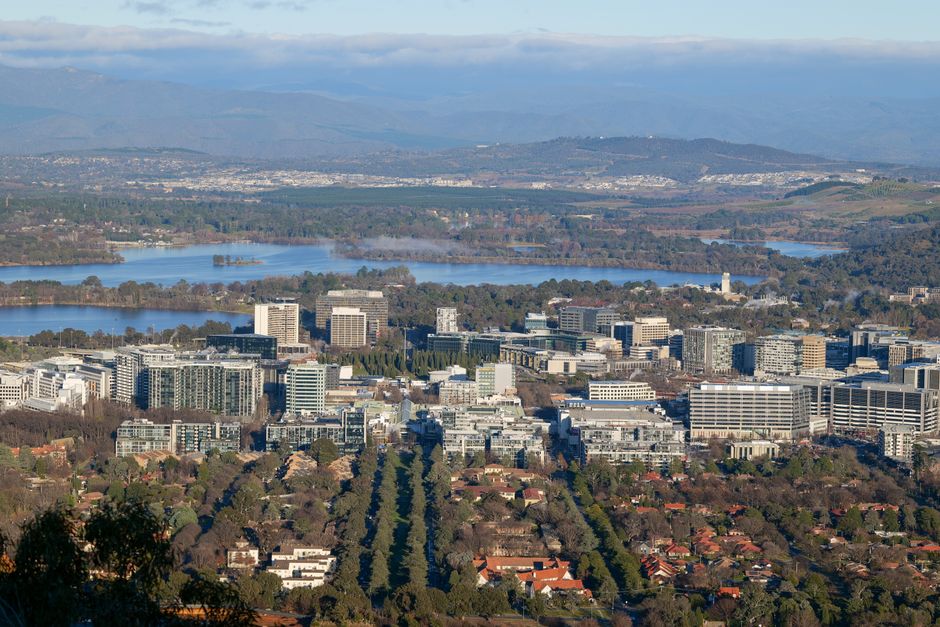
"People are choosing to stay in Canberra," says one local business operator who's watched the district evolve. The data backs it up: median rents in Dickson and neighbouring Lyneham have remained remarkably stable while amenities have multiplied. The opening of three new independent roasteries, a natural wine bar, and a co-working space designed for creatives has created a magnetic pull for young professionals, families, and remote workers tired of sprawl.
What's changed isn't just the venues—it's the intentionality. The Dickson Community Association has been working with the ACT Government on pedestrian-friendly infrastructure, and it's showing. New bike lanes connect Dickson to Reid and Watson, while improved streetscaping along Antill Street has made walking between destinations feel less utilitarian and more pleasurable. Local schools have reported upticks in enrolments, suggesting families are investing in the neighbourhood for the long term.
Lyneham, historically quieter, has benefited from proximity. The suburb's tree-lined avenues and weatherboard houses—many now renovated—have attracted creative types priced out of even inner Melbourne. The Lyneham Village shopping centre, once struggling, now hosts a Friday night farmers market featuring local producers selling berries, legumes, and Australian olive oils at prices that undercut suburban supermarkets.
What locals genuinely love, though, isn't just infrastructure or new businesses. It's community. The Dickson Library's expanded programs, the street-front gardens along Cowper Street maintained by volunteers, the sense that neighbours actually know each other—these aren't Instagram moments, but they're the texture of liveable cities.
Canberra's inner north has always had potential. What's different now is that residents, businesses, and local government have aligned around realising it. For a capital city often criticised as sterile or disconnected, that's no small shift. The neighbourhoods aren't trendy yet—and locals hope they won't become so. They're just quietly becoming the kind of place where people want to actually live.
This article was compiled by AI and screened before publishing. See our editorial standards.
About this article
Published by The Daily Canberra
Spread the word
Daily brief
Free, in your inbox before 7am. Weekdays.
The Daily Network — local news across Australia