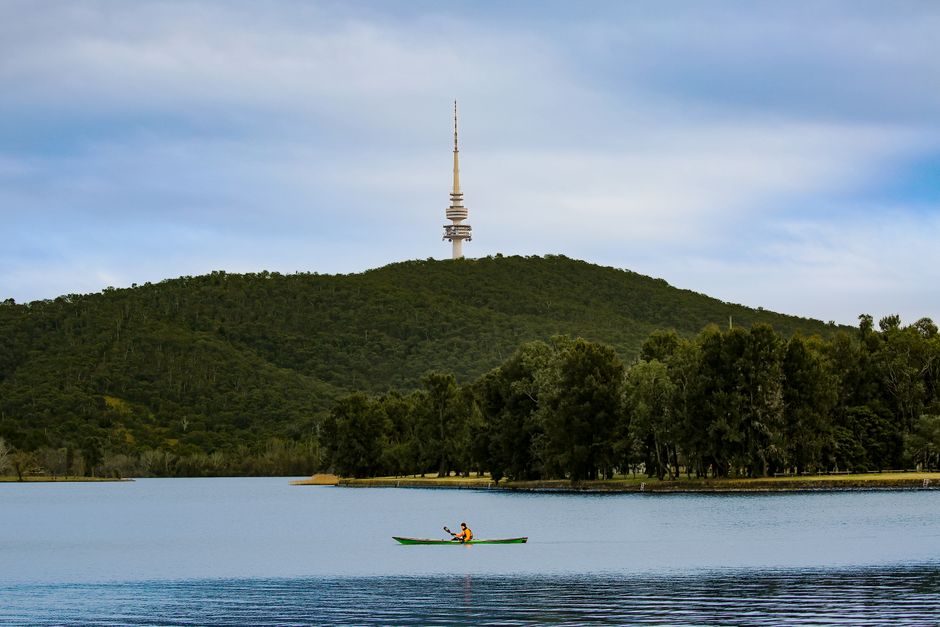
For decades, Weston Creek and Stromlo have occupied a particular niche in Canberra's consciousness: leafy, residential, the kind of suburbs where tree-lined streets absorbed the sound of lawn mowers on Saturday mornings. But walk through these inner-south neighbourhoods today, and you'll notice something shifting beneath the surface.
The most visible change is the expansion of recreational infrastructure. The redeveloped Stromlo Leisure Centre, completed in 2024, has become a genuine community hub rather than just a facility. But it's the network of paths radiating outward from here that's genuinely reshaping how locals experience their neighbourhood. The Cotter Reserve connections, upgraded over the past eighteen months, now link seamlessly with the expanding Centenary Trail network, creating what amounts to a new outdoor arterial system for the area.
This evolution has practical ripple effects. Weston Creek's proximity to these pathways—particularly the routes through Stromlo Forest Park and down toward the Cotter—has quietly transformed the suburb's appeal for younger families and active retirees. Real estate agents report increased interest from buyers specifically citing walkability and outdoor access, a marked shift from the previous generation's emphasis on proximity to schools and shops.
The community is organising differently too. Local trail-running groups now meet weekly at Stromlo's carpark before dawn, something that barely existed five years ago. Bushcare volunteers have expanded their presence significantly, with regular working bees along the Cotter corridor attracting growing participation. The Weston Creek Community Council has shifted its focus accordingly, with recent meetings devoted to path maintenance and environmental management rather than traditional local governance concerns.
Food culture is evolving alongside this outdoor renaissance. The uptick in home gardening—visible in the proliferation of raised beds and veggie patches along Loch Garry Drive and surrounding streets—reflects a demographic increasingly interested in connection to land. Local nurseries report strong demand for native plantings and edible gardens, while informal community swap groups trading produce and seedlings have become a fixture on neighbourhood social media.
What's particularly striking is the intergenerational nature of these changes. It's not simply young professionals embracing the outdoor lifestyle; retirees long established in these suburbs are actively engaging with new recreational opportunities, suggesting genuine community transformation rather than demographic churn.
The suburbs aren't unrecognisable—the quiet dignity of Weston Creek's street network remains intact. But the energy emanating from these neighbourhoods now extends well beyond the property line. Stromlo and Weston Creek are discovering that their greatest asset may not be their heritage value or suburban tranquility, but their position at the threshold of Canberra's natural spaces.
This article was compiled by AI and screened before publishing. See our editorial standards.