On a crisp July morning in the Brindabella Mountains, you'll find Sarah leading a small group through native bushland near Cotter Reserve. She's not a professional tour operator—she's a pharmacist from Tuggeranong who spent lockdown falling in love with Canberra's backcountry and now spends her weekends sharing that passion with strangers who become friends. "People come here stressed, checking their phones," she says. "By the time we've spotted a lyrebird or found wild native apple trees, something shifts."
This is the real texture of weekend life in Australia's capital. While tourists photograph Parliament House, locals like Sarah have quietly woven themselves into the fabric of leisure and discovery that makes Canberra genuinely special.
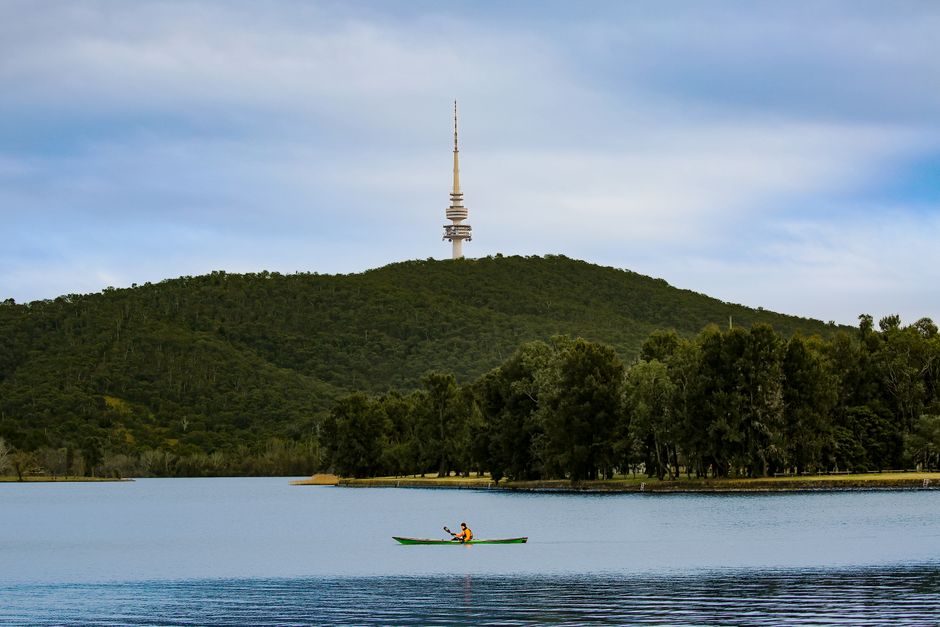
Down at Lake Burley Griffin's north shore, Michael runs a community kayaking program through Paddle Canberra most weekends. He estimates he's introduced over 2,000 Canberrans to the water since 2019—from nervous first-timers to retirees rediscovering adventure. "You see the lake differently when you're on it," he explains, launching another group toward the Jerrabomberra Wetlands. "People move here from Sydney or Melbourne and think Canberra's quiet. Then they get on the water and realise quiet is the whole point."
The city's day-trip economy thrives on these human connections. At the Old Bus Depot Markets in Kingston every weekend, vendors like Marcus—who's been selling heritage vegetables and foraged goods from his small farm in Murrumbateman for eight years—have built followings of regulars who time their weekend shopping around his stall. "I know what people are cooking," he says, chatting with a customer about winter greens. "That relationship is worth more than volume."
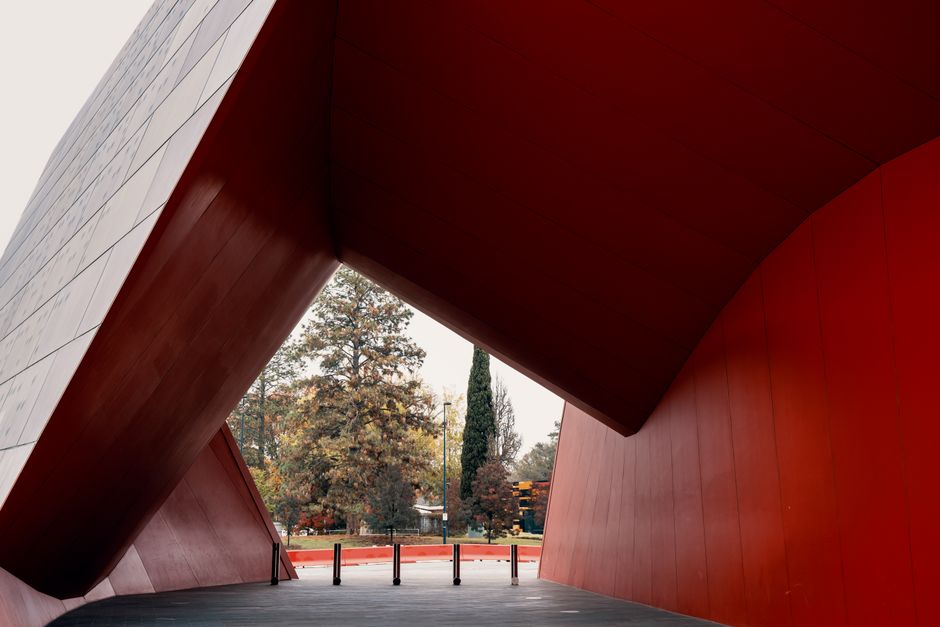
Even Canberra's more formal attractions hinge on the people factor. At the National Museum of Australia, volunteer guides—many retired professionals—craft personalised tours that transform exhibits into conversations about identity and belonging. One regular visitor, a teacher from Weston, brings her students monthly because of one particular guide's gift for making history feel alive.
The Canberra Bushwalking Club, which meets weekly, has over 400 active members. The Canberra Photography Group gathers at sites from Tidbinbilla to Black Mountain. The Canberra Community Gardens Network manages dozens of plots where neighbours become gardening partners.
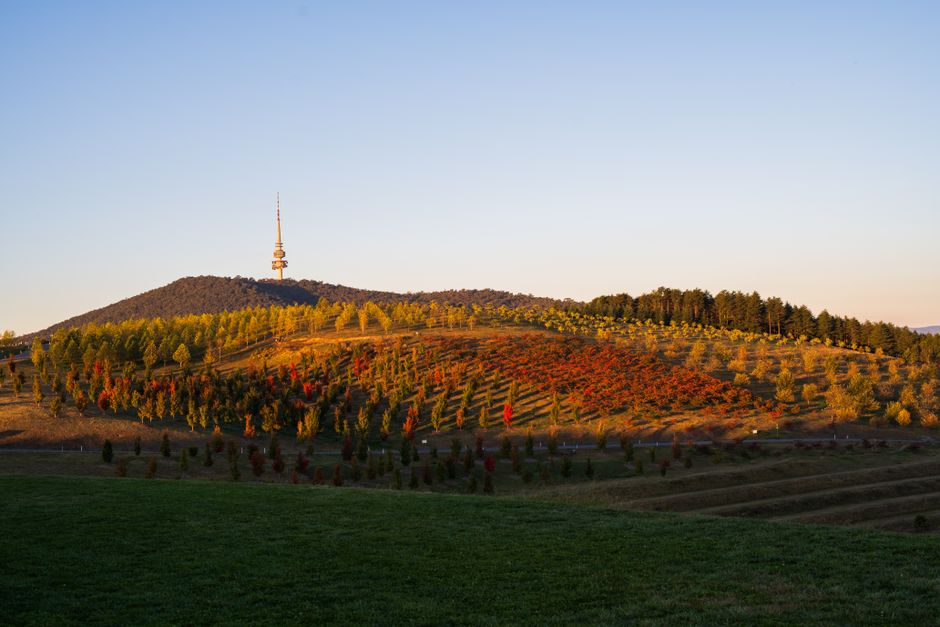
What makes these weekend pursuits remarkable isn't the backdrop—though Canberra's geography is undeniably stunning. It's the people who've chosen to anchor their leisure time in community, curiosity, and generosity. They're the real attractions, the reason a Saturday hike or Sunday paddle feels less like tourism and more like belonging.
This article was compiled by AI and screened before publishing. See our editorial standards.