On a Saturday morning in Forrest, the rhythm is distinctly unhurried. Laniakea Espresso on Loch Street hums with regulars nursing flat whites while the farmers market—held fortnightly at the Forrest Community Centre—draws neighbours reconnecting over organic produce and sourdough. This is the texture of Canberra's most coveted inner suburb, where weekend leisure has less to do with destination tourism and more to do with neighbourhood belonging.
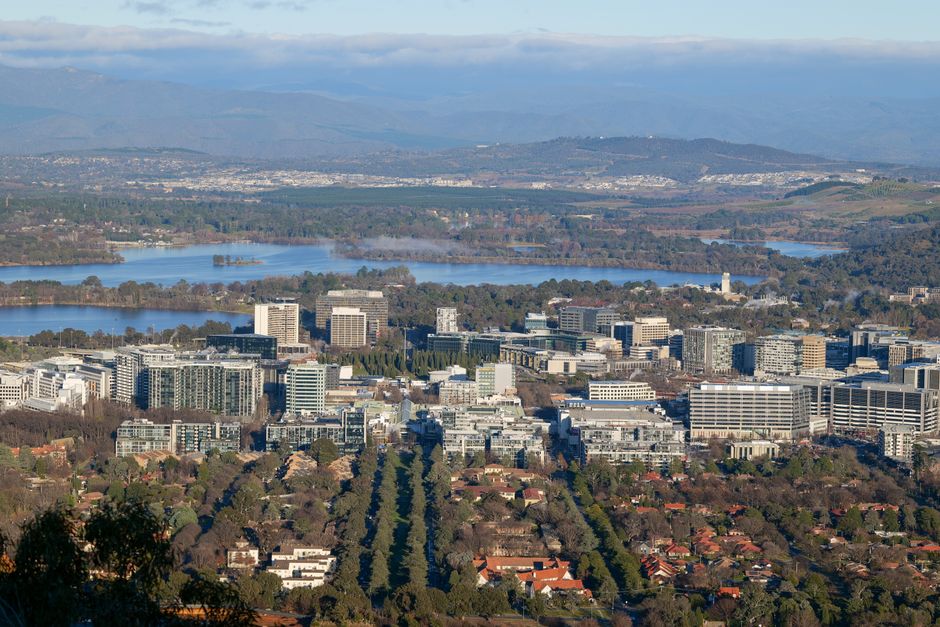
Forrest's character emerges from its deliberate smallness. With a population of around 2,100 residents, the suburb has maintained what urban planners call "neighbourhood scale"—intimate enough that you'll see familiar faces at the local IGA, yet substantial enough to support independent businesses. The tree canopy, planted during the suburb's 1960s development, creates a cathedral-like quality on Loch and Isabey streets that feels intentionally distant from Canberra's more sprawling precincts.
The community's protective instinct shapes everything. When the Forrest Community Centre—the neighbourhood's civic heart—faced funding challenges in recent years, residents mobilised. Today it operates as a hub for yoga classes, book clubs, and the monthly community dinners that have become the suburb's social fabric. Entry to most programs runs $5–$15, keeping participation inclusive.
Weekend leisure here privileges walking and gathering. The Molonglo River loop, accessible from Forrest's eastern edge, draws joggers and dog walkers year-round. But more revealing is the Thursday evening parade of residents wheeling trolleys toward the Friday night markets that set up seasonally—a ritual suggesting that shopping, here, is a social event rather than a transaction.
The indie venue landscape reflects this ethos. Tilley's Cafe on Loch Street functions as cultural venue, community noticeboard, and neighbourhood living room simultaneously, hosting everything from jazz nights to book launches. The Canberra Pony Club, operating from nearby grounds, maintains a distinctly unpretentious character despite its heritage.
What distinguishes Forrest's weekend appeal is its resistance to curated Instagram aesthetics. Yes, the heritage character and proximity to the National Gallery and Lake Burley Griffin matter. But locals will tell you the real draw is subtler: the possibility of encountering your community, of spaces that belong to residents rather than to tourism. In an increasingly placeless urban landscape, that neighbourhood character—hard to market, impossible to manufacture—has become Forrest's most valuable commodity.
This article was compiled by AI and screened before publishing. See our editorial standards.