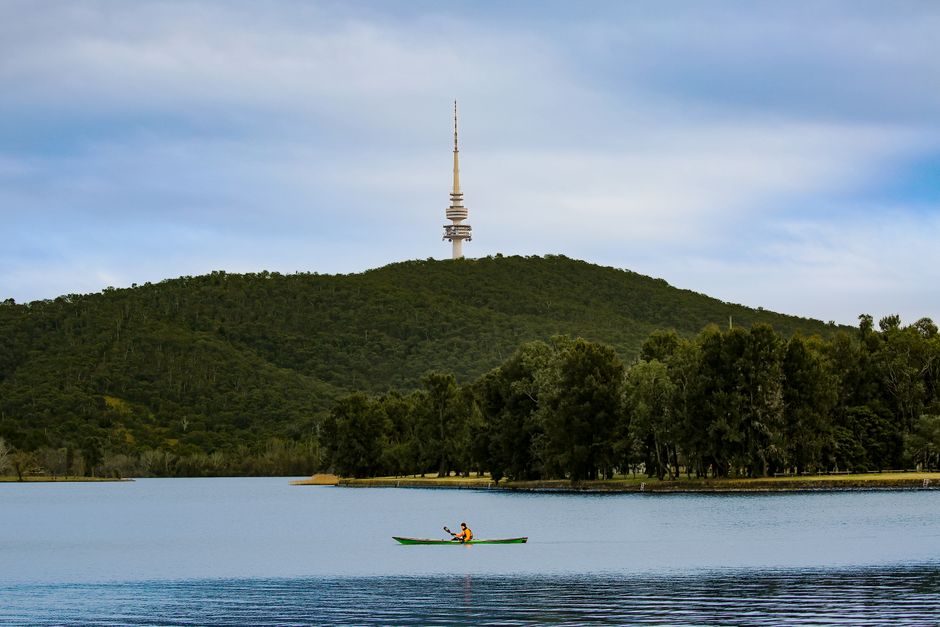
There's a reason The Economist has ranked Canberra among the world's most liveable cities for the past decade. And this week, wandering through Woden Valley—the city's thriving southern hub—it becomes viscerally clear: we've managed something most major cities haven't. We've built genuine community infrastructure into our DNA.
Take this Saturday's Woden Valley Farmers Market at Westfield Woden. At $12 for entry (or $5 concession), it's operating at a fraction of what you'd pay at comparable markets in Melbourne, Sydney, or London. Local growers line the plaza with berries, leafy greens, and heritage vegetables—precisely what's in season this July—but here's what sets it apart: the stallholders actually live in the surrounding postcodes. These aren't metropolitan traders commuting three hours. They're your neighbours selling surplus from their own gardens.
This hyper-local approach extends to dining. Restaurants across Woden—from the main shopping precinct to intimate venues in Curtin and Pearce—operate without the ruthless competition that strangles innovation in denser cities. The result? Chefs experiment. They source aggressively local, collaborate with those farmers market growers, and price dishes at what feels almost quaint to visitors from Sydney or Melbourne.
What makes this genuinely distinctive isn't the food itself—it's the philosophy beneath it. Our city was designed by Walter Burley Griffin with green spaces and clear neighbourhoods as non-negotiable foundations. A century later, that planning still functions. Woden Valley's walkable precinct sits within 15 minutes of shopping, dining, and recreation. No car required, yet we haven't sacrificed space or become gridlocked like comparable global cities of 450,000 people.
This week alone, locals can catch live music at neighbourhood pubs in Curtin (typically free entry), attend community cooking classes at Woden libraries focusing on budget ingredients like beans and winter vegetables, and explore independent bookshops that haven't been crushed by rent inflation.
The global lifestyle media often misses Canberra's radical secret: we've kept livability affordable. Not through sacrifice, but through thoughtful design that most cities abandoned decades ago. A farmers market strawberry costs what it should. A meal out doesn't require three weeks' advance booking. You can actually know your neighbourhood.
That's the Woden Valley story this week—and every week. It's not exotic. It's not flashy. It's just what happens when a city remembers that lifestyle quality isn't about density or prestige. It's about access, community, and space to breathe.
This article was compiled by AI and screened before publishing. See our editorial standards.