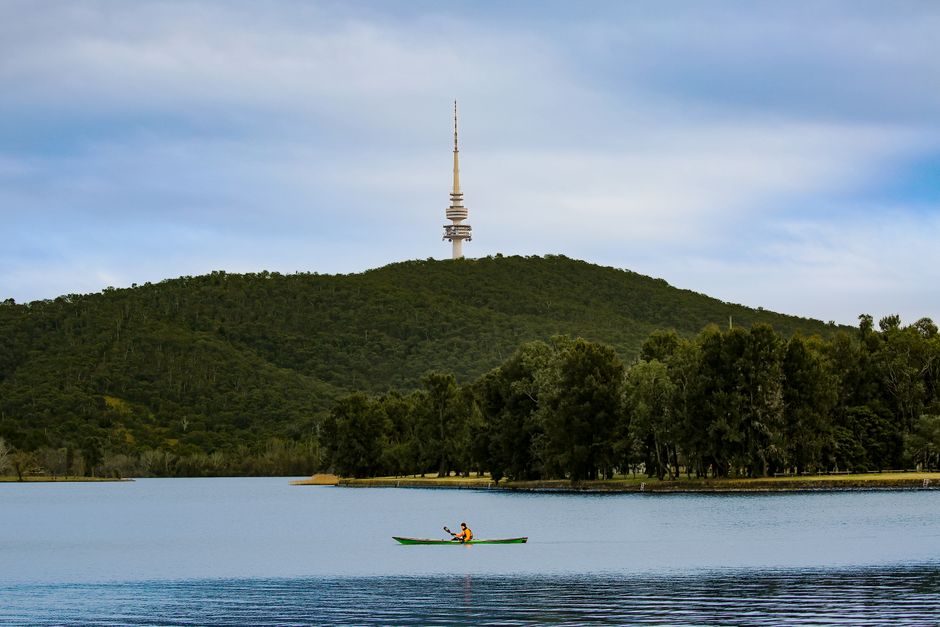
Walk down Gunakwal Drive on any given Saturday morning, and you'll encounter the authentic pulse of Gungahlin: families browsing the weekly farmers market, retirees chatting outside the local café, teenagers cycling toward the lake precinct. This is no accident. Over the past five years, Canberra's northern satellite suburb has undergone a subtle but unmistakable transformation from bedroom community to neighbourhood with genuine character.
The dining landscape tells the story most clearly. Where chain restaurants once dominated, independent operators are now staking claims. Nearby venues along Hibberson Street have attracted a growing cohort of chefs interested in neighbourhood-scale hospitality rather than CBD footfall. Winter menus are already pivoting toward seasonal produce—blackberries and brussels sprouts, currently topping the value charts across Australian supermarkets, feature prominently in local restaurant specials—while locally-roasted beans and heritage grains signal a community increasingly attuned to ingredient provenance.
But food alone doesn't define Gungahlin's emerging identity. The neighbourhood's community calendar reveals a suburb actively shaping its own culture. The Gungahlin Community Council hosts monthly gatherings focused on local planning and civic participation, drawing crowds that suggest genuine investment in the area's future. Meanwhile, the Gungahlin Arts Centre programs regular exhibitions and workshops, positioning the suburb as a creative hub rather than a purely residential zone.
What distinguishes Gungahlin from other north-side suburbs is an almost deliberate resistance to homogeneity. The neighbourhood's demographic diversity—with migrant communities from across Asia, Africa and Europe establishing cultural precincts—has created natural gathering points. Ngunnawal Centre in nearby Gungahlin Drive serves as a cultural anchor, hosting community events that reflect the suburb's multicultural fabric.
The real estate data reinforces this shift. Properties in Gungahlin have appreciated roughly 4.2% annually over the past three years, outpacing broader Canberra growth—a metric that typically correlates with rising neighbourhood desirability. Young families and professionals increasingly cite community feeling and accessibility to Gungahlin Lake as primary draws, over pure affordability.
This week, the Gungahlin Community Markets continue their winter schedule (Saturdays, 9am-1pm, Gunakwal Drive), while local restaurants benefit from July's produce glut. For anyone seeking to understand how Canberra's identity is quietly evolving beyond the city centre, Gungahlin offers an instructive case study: a neighbourhood where community agency, culinary ambition and cultural diversity are quietly redefining what north-side living means.
This article was compiled by AI and screened before publishing. See our editorial standards.