lifestyle
Canberra's leafy suburbs reveal where garden culture thrives today
These leafy inner suburbs are quietly becoming the heart of Canberra's lifestyle renaissance, blending heritage charm with a fiercely protective community ethos.
3 min read
lifestyle
These leafy inner suburbs are quietly becoming the heart of Canberra's lifestyle renaissance, blending heritage charm with a fiercely protective community ethos.
3 min read
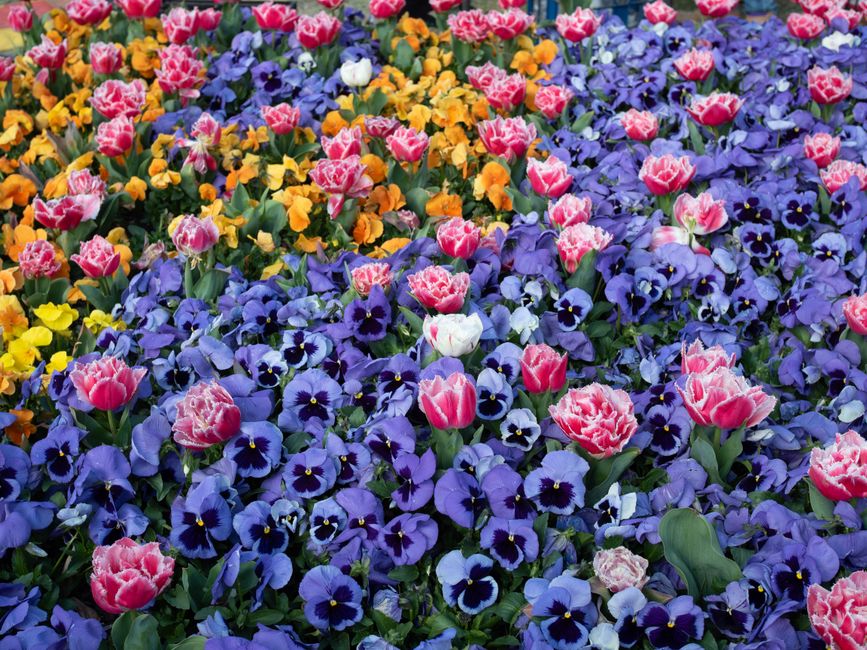
Walk down Casuarina Street in Yarralumla on a Saturday morning and you'll encounter what feels like a different Canberra entirely. Garden fences overflow with winter vegetables—brussels sprouts and silverbeet catching the frost—while residents linger at the local shops with the ease of people who've inhabited the same patch of earth for decades. This is the texture of Yarralumla and Deakin: suburbs where lifestyle isn't something you curate for Instagram, but something lived quietly, intergenerationally, and with genuine neighbourhood investment.
Both suburbs sit within Canberra's inner ring, just south of the parliamentary triangle, and their character reflects a particular era of planning. Tree-lined streets, generous blocks, and distinctive mid-century architecture create an almost village-like atmosphere that newer developments across the lake struggle to replicate. Property values reflect this scarcity—median house prices in both suburbs hover around $1.2 million, a premium many residents justify not through speculation but through genuine attachment.
The community infrastructure here runs deep. Yarralumla Community Association meets regularly, coordinating everything from street maintenance advocacy to the annual garden tour, which showcases private properties that would rival any horticultural publication. Deakin residents similarly maintain a tight network through local schools, the Deakin Shops precinct on Canberra Avenue, and the nearby Southside Community Service organisation, which hosts events throughout the year.
What distinguishes these suburbs isn't wealth—though there's plenty—but rather a collective resistance to commodification. The local shops along Deakin Avenue retain their independent character: a proper butcher, a greengrocer that sources seasonal produce, a bookshop that knows its regulars. This stands in sharp contrast to the homogenised shopping experiences spreading through newer suburbs.
Gardening, unsurprisingly, is almost a civic religion here. Winter is prime planting season in Canberra, and locals are already preparing beds for spring. The combination of good soil, mature trees providing windbreaks, and a community that swaps seeds and seedlings at neighbourhood gatherings means these suburbs punch above their weight in terms of garden culture. It's not unusual to see residents queuing at local nurseries in early July, selecting from blackberries and heirloom vegetables.
For newcomers, the entry barrier feels cultural as much as financial. These are neighbourhoods where you might spend months nodding at someone before they invite you to a street gathering. But once integrated, residents describe a quality of life that feels increasingly rare in contemporary Canberra: genuine community, not manufactured atmosphere, where people invest in place because they intend to stay.
This article was compiled by AI and screened before publishing. See our editorial standards.

About this article
Published by The Daily Canberra
Spread the word
Daily brief
Free, in your inbox before 7am. Weekdays.
The Daily Network — local news across Australia