Canberra's commercial property market is flashing amber, and financial analysts say the signals are worth watching closely for clues about Australia's economic trajectory.
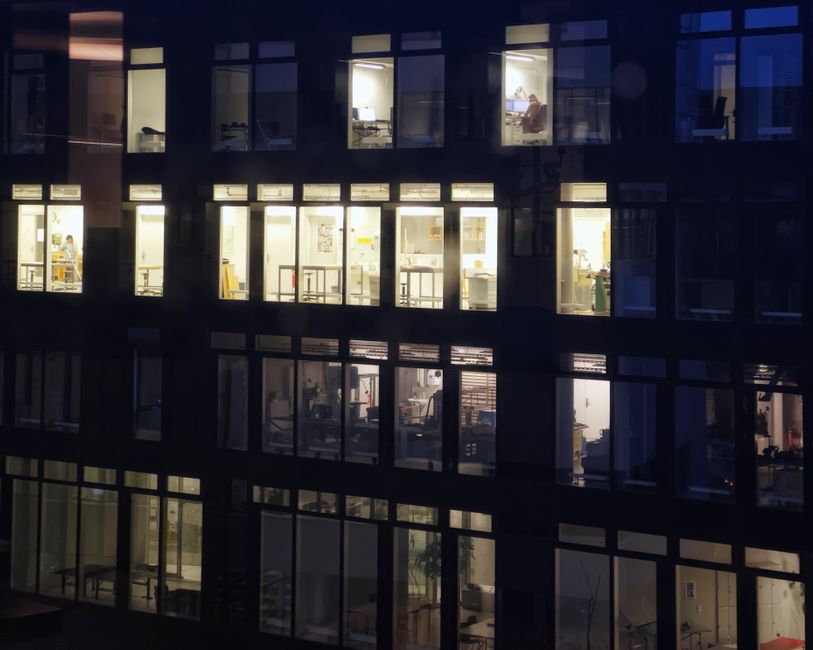
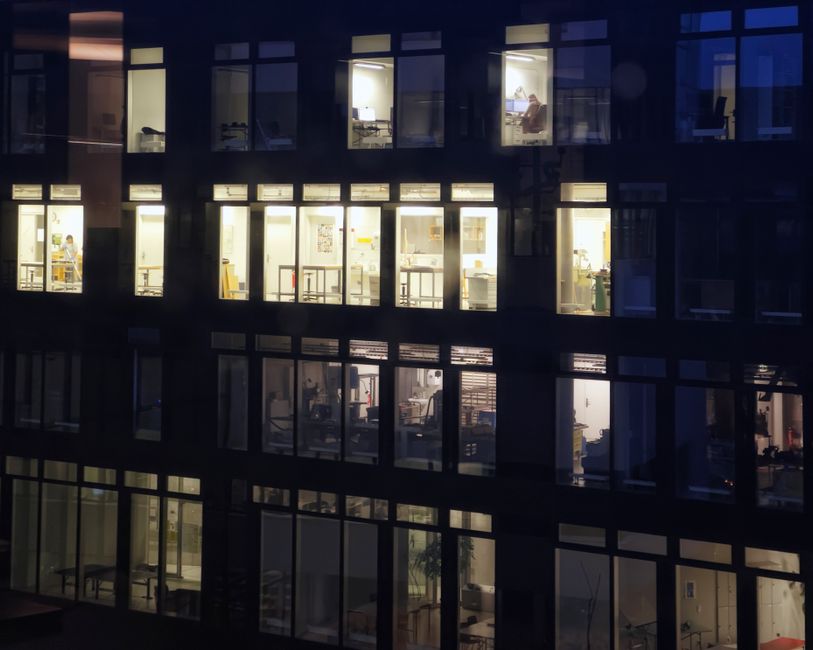
The office sector in the ACT capital has experienced notable pressure over the past 18 months, with vacancy rates in premium precincts like Canberra City and Barton climbing to levels not seen since the post-pandemic adjustment period. Current data suggests around 12-14 per cent of Grade A office space sits untenanted, up from historical averages below 8 per cent. This matters because Canberra's commercial property market, heavily weighted toward government contracting and professional services, often moves ahead of national trends.
What's driving the shift? Several factors intersect. The rise of hybrid work arrangements continues reshaping how much space organisations actually require. Meanwhile, interest rate cycles have fundamentally altered investment calculations for property buyers. When borrowing costs remain elevated, yield-focused investors become more selective about which assets deserve capital allocation.
The economics are straightforward: fewer tenants chasing more available space means rental growth stalls. Properties along London Circuit and in the Denman Street precinct that commanded premium rates two years ago now offer incentives to secure longer-term commitments. This rental softness directly impacts investor returns, triggering a reallocation of capital toward higher-yielding sectors like industrial and logistics—precisely what we're seeing regionally.
Yet the picture isn't uniformly bleak. Investment flows reveal sophisticated capital recognising opportunity within distress. Institutional investors and private equity firms are selectively acquiring quality assets in well-located pockets, betting on eventual recovery and operational improvements. Developments in inner Canberra suburbs like Braddon and Kingston are attracting mixed-use capital, indicating investors believe the future belongs to flexible, diverse-use properties rather than single-purpose office towers.
The broader economic signal: Australia's wealth statistics—highlighted by recent global comparisons showing median wealth concentrated at the top—sit uneasily alongside softer commercial property demand. When institutional capital becomes more discriminating, it suggests underlying uncertainty about growth trajectories.
For Canberra specifically, this moment represents a recalibration. Government sector stability provides a floor, but private sector dynamism determines the ceiling. Investment flows are voting with their capital, signalling that tomorrow's premium assets will be those offering flexibility, sustainability credentials, and resilience to changing workplace paradigms.
Watch the refinancing cycle ahead. As loans mature and investors face capital calls, their decisions on whether to hold, sell, or reinvest will tell us whether this market correction is temporary repricing or a structural shift in how Australia's capital city allocates commercial real estate resources.
This article was compiled by AI and screened before publishing. See our editorial standards.