Canberra's commercial property market is sending contradictory signals that reflect broader economic uncertainty affecting investment flows nationally. While Australia's median wealth ranks third globally according to recent UBS data, local office vacancy rates and rental trajectories tell a more nuanced story about where capital is actually moving.
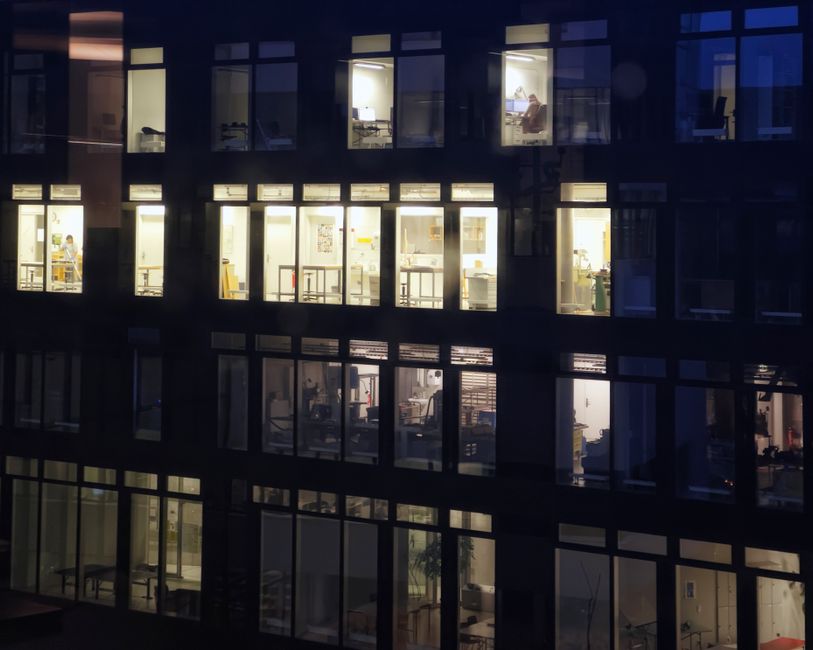
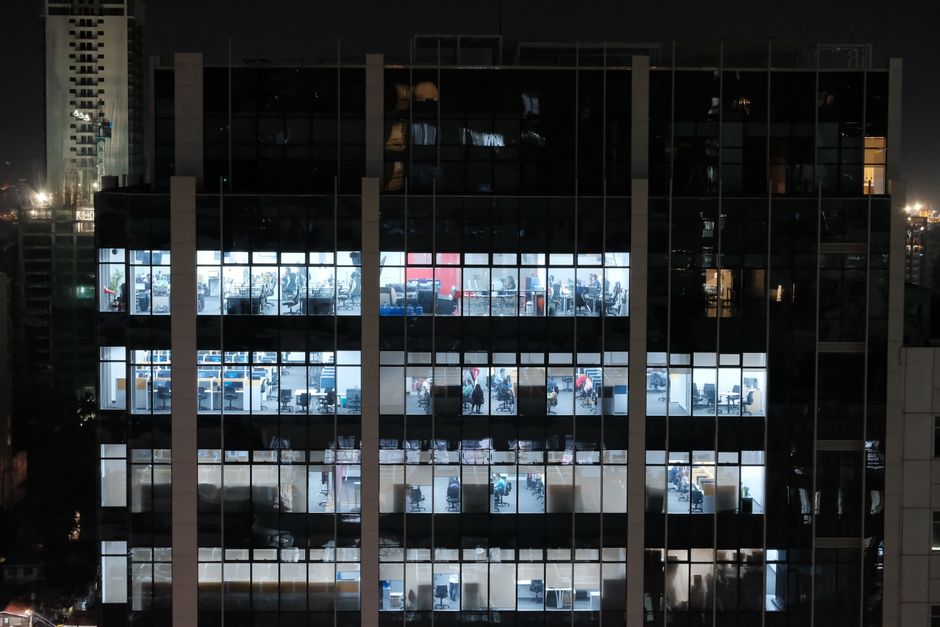
The Canberra CBD—anchored by the civic precinct between London Circuit and Northbourne Avenue—has experienced measurable softening in the office sector over the past 18 months. Vacancy rates have drifted toward 12–14%, up from historically tighter 8–10% levels during the pre-pandemic decade. This matters because vacancy directly signals investor confidence. When tenants can negotiate better terms, capital returns weaken, and institutional investors (superannuation funds, REITs, offshore capital) adjust their allocation strategies accordingly.
Yet several countervailing forces complicate the narrative. Government workforce expansion—particularly in Barton, Kingston, and the emerging tech precinct near Canberra Airport—continues to underpin demand for fit-for-purpose office space. The Australian Public Service expansion has generated lease activity that keeps certain postcodes resilient. Additionally, flight capital seeking safer harbours in Australian infrastructure has supported asset prices in well-maintained, institutionally-grade properties, particularly those held by major listed property trusts.
Rental growth tells the investment story most clearly. Prime CBD office space (quality A-grade buildings) has seen rents plateau or decline marginally—currently tracking around $280–$320 per square metre annually—while secondary locations are under sharper pressure. This compression in rental spreads reduces the margin available for investors to generate returns above their cost of capital, explaining why some institutional capital has begun rotating toward retail and industrial assets in outer suburbs like Tuggeranong and Gungahlin.
The broader economic context matters here. With interest rates higher for longer, and growth forecasts moderating, investors are demanding certainty. In Canberra, that means they're gravitating toward assets with government tenants or long-term lease commitments. Conversely, speculative development—particularly in secondary office stock—has largely evaporated.
What does this mean for investment flows? Capital isn't leaving Canberra's property market entirely, but it's becoming more selective and risk-averse. Investors are asking harder questions about lease covenants, tenant credit quality, and location resilience. Property trusts managing Canberra portfolios are increasingly focused on operational efficiency—vacancy reduction, refurbishment spending, and active tenant management—rather than relying on organic rental growth to drive returns.
For stakeholders navigating Canberra's commercial property landscape, the message is clear: economic indicators show a market in transition, not collapse. But investment flows are following the oldest rule in property: quality, certainty, and yield. Properties and precincts that deliver those characteristics will attract capital. Everything else faces headwinds.
This article was compiled by AI and screened before publishing. See our editorial standards.